
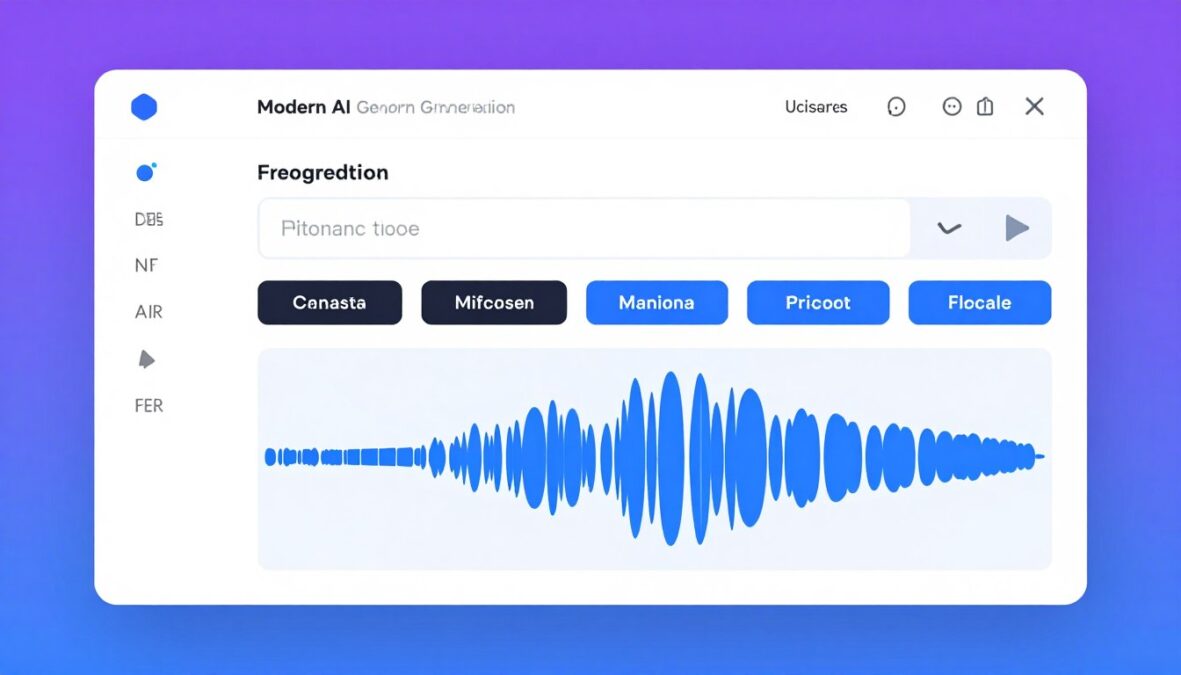
Creating music has traditionally required years of musical training and expensive equipment. Magic Music AI Tool changes this completely. This song generator app transforms text prompts into complete songs in seconds.
Whether you’re a content creator needing background music or someone who simply wants to bring musical ideas to life, this magic music platform offers a solution. No experience needed.
This comprehensive review examines every aspect of the Magic Music AI Tool. You’ll discover its features, pricing, strengths, limitations, and whether it’s the right song maker for your needs.
What Is Magic Music AI Tool and How Does It Work?
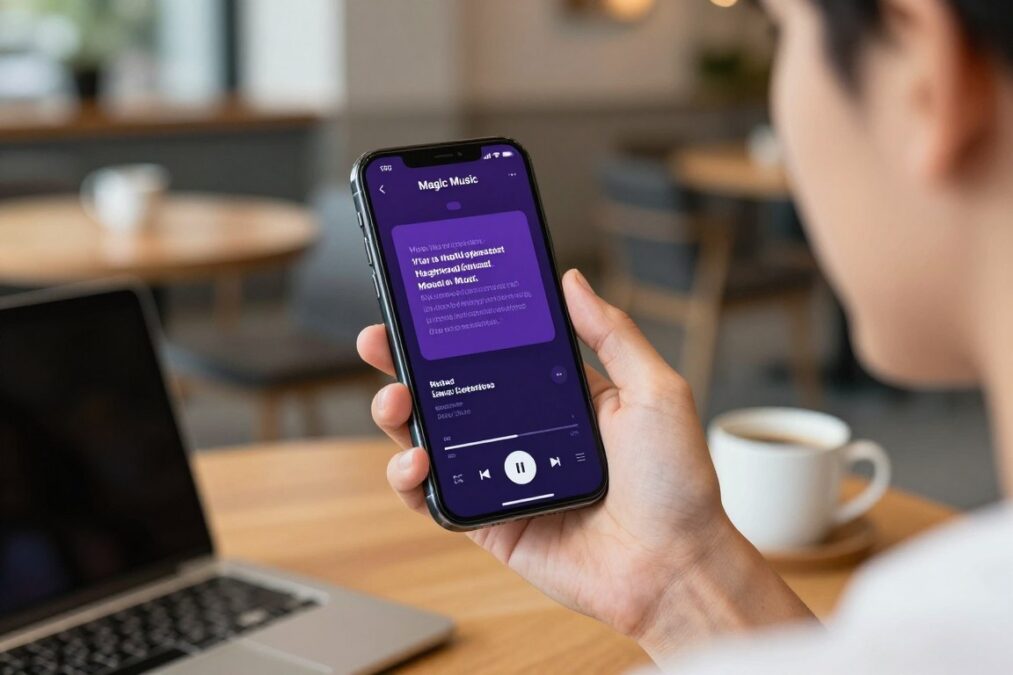
Magic Music AI Tool is a song generator that creates original music from text descriptions. You type what you want to hear, and the AI produces a complete track with melody, harmony, and rhythm.
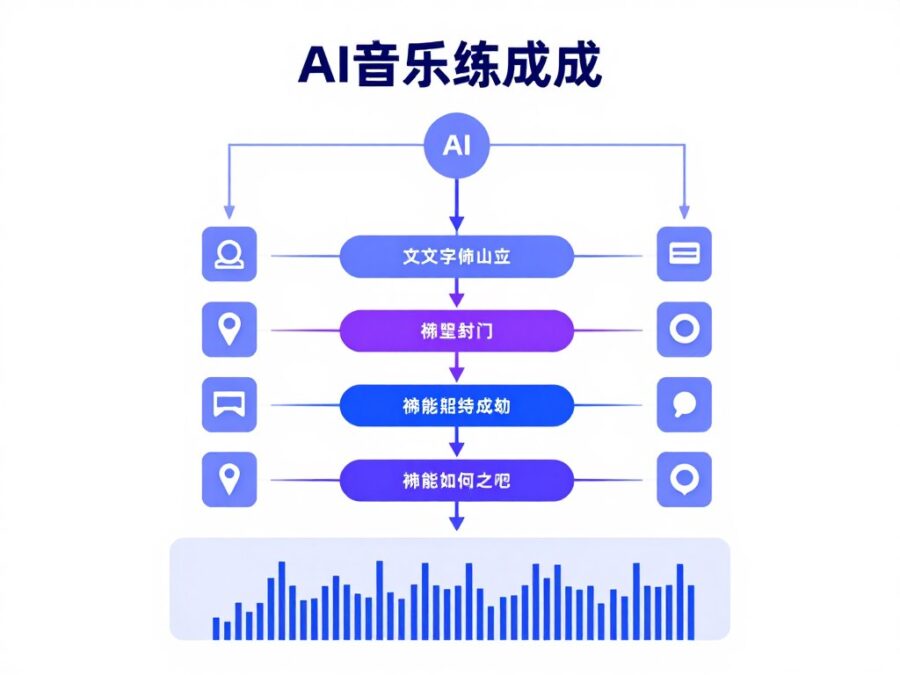
The app uses advanced AI trained on millions of songs across multiple genres. This training allows it to understand musical patterns, styles, and structures. When you enter a text prompt describing your desired song, the AI interprets your description and generates matching audio.
The process takes less than a minute in most cases. You describe the mood, genre, tempo, or theme you want. The music generator processes this information and creates a unique composition that matches your specifications.
Core Technology Behind Magic Music
The platform employs neural networks specifically designed for audio generation. These networks analyze patterns in existing music to learn how different genres, instruments, and styles work together.
The AI doesn’t copy existing songs. Instead, it creates new combinations based on learned patterns. This ensures every generated song is original and royalty-free for your use.
Users can create many songs without musical training needed. The app handles all technical aspects of music production. You focus on describing your creative vision while the AI handles composition, arrangement, and production.
Quick Fact: Magic Music can generate songs in over 20 different genres, from pop and rock to jazz and electronic music. Each generation takes approximately 30 to 60 seconds.
Key Features and Capabilities of Magic Music AI Tool
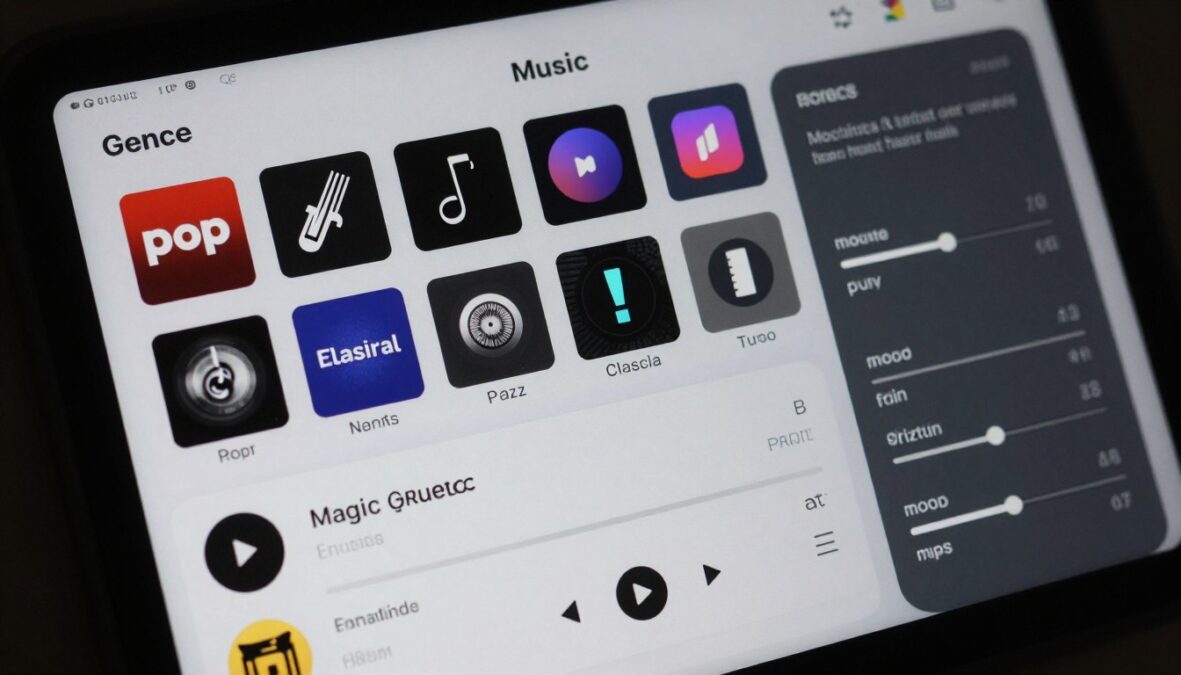
Magic Music offers several powerful features that make song creation accessible to everyone. These capabilities distinguish it from basic music apps and even some professional production tools.
Text-to-Music Generation
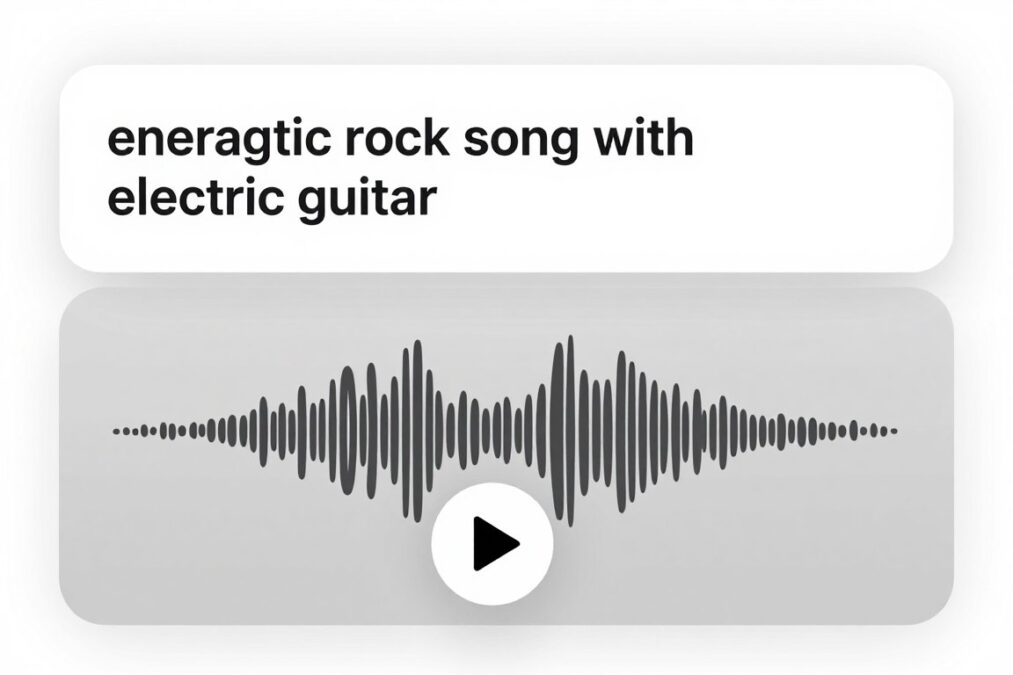
The primary feature transforms written descriptions into complete musical compositions. You simply type a text prompt describing what you want to hear. The prompt can be simple or detailed.
For example, you might write “upbeat pop song about summer” or “melancholic piano piece with strings.” The AI interprets these descriptions and creates appropriate music. More detailed prompts generally produce more specific results.
Multi-Genre Support
The song generator supports numerous musical styles. Pop, rock, jazz, electronic, classical, hip-hop, R&B, and country are all available. Each genre maintains authentic characteristics and instrumental choices.
You can also blend genres in your text prompt. Requesting “jazz with electronic elements” or “rock ballad with orchestral backing” produces hybrid styles. This flexibility enables creative experimentation across musical boundaries.
Popular Genres
- Pop music with catchy hooks
- Rock with electric guitars
- Electronic dance beats
- Jazz with improvisation
Classical & Acoustic
- Classical orchestral pieces
- Acoustic folk songs
- Piano compositions
- String arrangements
Modern Styles
- Hip-hop and rap beats
- R&B and soul
- Country and bluegrass
- Ambient soundscapes
Lyrics Generation
Beyond instrumental music, Magic Music can create songs with lyrics. You specify the theme or message in your text prompt. The AI generates both music and matching lyrics that fit the melody.
The lyrics feature understands rhyme schemes, syllable counts, and how words should fit musical phrases. This creates natural-sounding vocal melodies with appropriate lyrical content.
Customization Controls
While the AI handles complex production, you maintain creative control through various parameters. Adjust tempo, mood, energy level, and instrumentation preferences within your prompts.
The app also allows iterative refinement. If the first generation isn’t quite right, you can regenerate with modified prompts or slight variations. This lets you explore different interpretations of your musical ideas.
Instant Preview and Export
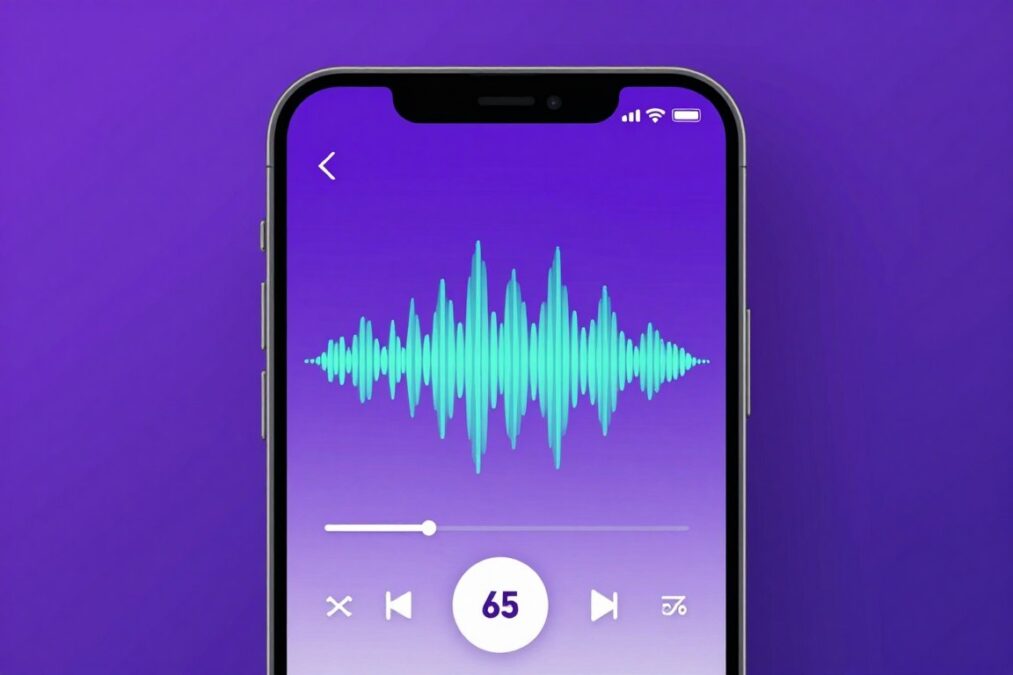
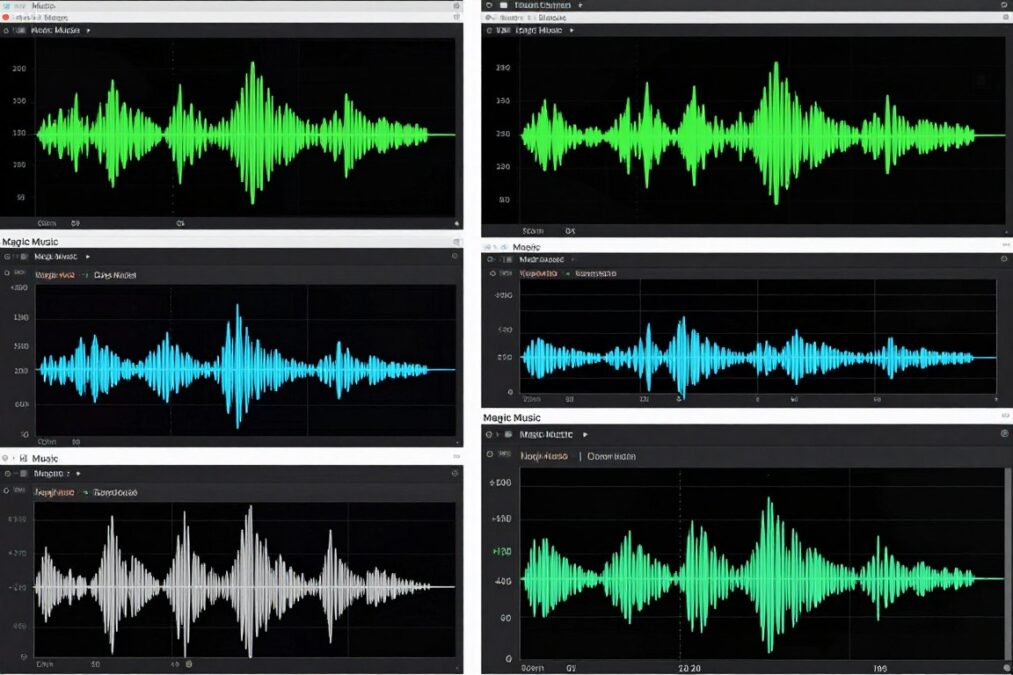
Every generated song can be previewed immediately. The app provides a built-in player showing the complete track with waveform visualization. You can listen before deciding to save or export.
Satisfied with a creation? Export it in high-quality audio formats. The songs are yours to use in videos, podcasts, presentations, or personal projects. All generated content is royalty-free for subscribers.
Ready to Create Your First AI Song?
Experience these powerful features yourself with a free 7-day trial. No musical training needed to start making professional-sounding music today.
How to Use Magic Music AI Tool: Step-by-Step Guide
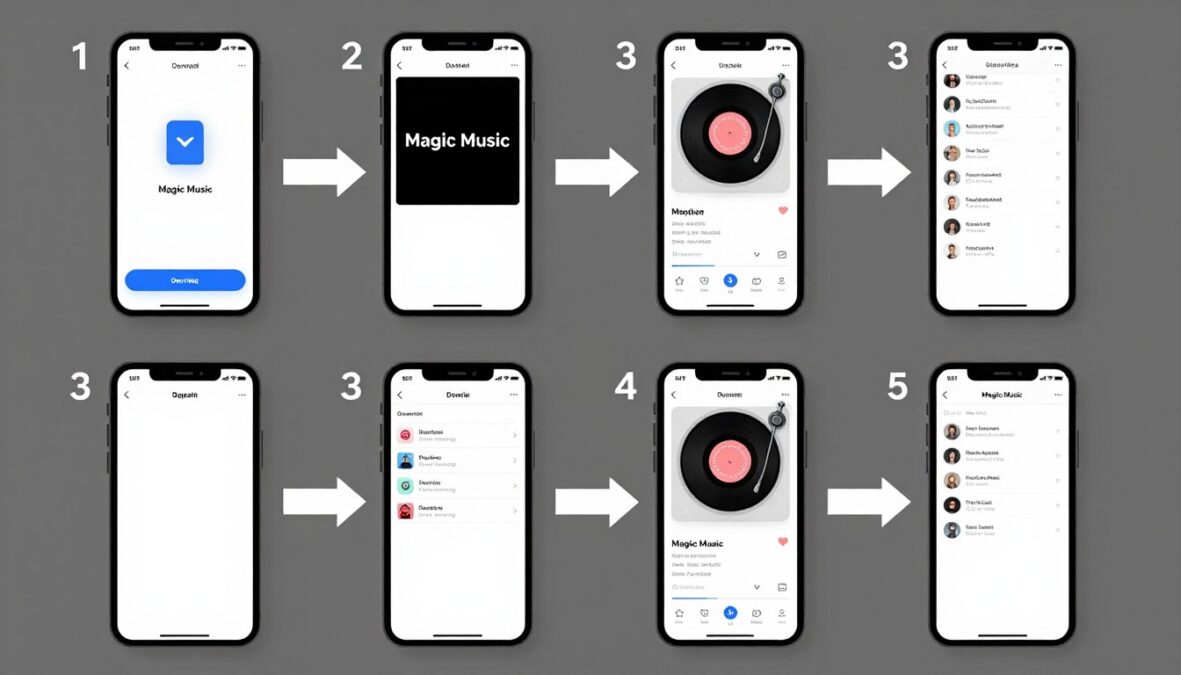
Getting started with Magic Music takes just a few minutes. The song maker app prioritizes simplicity, making the process straightforward even for first-time users.
Installation and Setup
Download Magic Music from the Apple App Store or Google Play Store. The app is free to install on both iOS and Android devices. Search for “Magic Music Create AI Songs” to find the official app.
After installation, open the app and create an account. You’ll need an email address to register. The free version allows limited song generation to test the platform. Pro subscriptions unlock unlimited creation.
Creating Your First Song
- Open the app and tap the “Create New Song” button on the main screen
- Enter a text prompt describing your desired music in the input field
- Select a genre from the available options or let the AI decide based on your prompt
- Tap “Generate” and wait 30 to 60 seconds for the AI to create your song
- Listen to the preview using the built-in player
- Save or export the song if you’re satisfied, or regenerate with a modified prompt
Writing Effective Prompts
The quality of your text prompt significantly impacts results. More descriptive prompts generally produce better matches to your vision. Include details about mood, tempo, instruments, and style.
Basic Prompt Example
Simple descriptions work for quick creations:
- “Happy birthday song”
- “Relaxing piano music”
- “Energetic workout music”
- “Sad violin melody”
Advanced Prompt Example
Detailed prompts enable precise control:
- “Upbeat indie pop song with acoustic guitar and hand claps, summer vibes”
- “Dark electronic track with heavy bass and synth leads, cyberpunk atmosphere”
- “Gentle classical piece with piano and strings, emotional and reflective”
- “Funky jazz number with saxophone solo, upbeat and groovy”
Refining Your Generations
If the first result isn’t exactly what you envisioned, make adjustments. Try adding more descriptive words to your text prompt. Specify instruments you do or don’t want. Mention tempo preferences like “slow,” “medium,” or “fast.”
The AI learns from patterns in your prompts. Experimenting with different phrasings helps you understand how to communicate your ideas effectively. Save prompts that work well for future reference.
Managing Your Music Library
Magic Music automatically saves your generated songs in the app’s library. Access past creations anytime to listen again or export. Organize songs with custom names and tags for easy retrieval.
The app displays creation date, genre, and the original text prompt for each song. This helps you remember the context and recreate similar styles when needed.
Magic Music AI Tool Pricing: Plans and Subscription Options
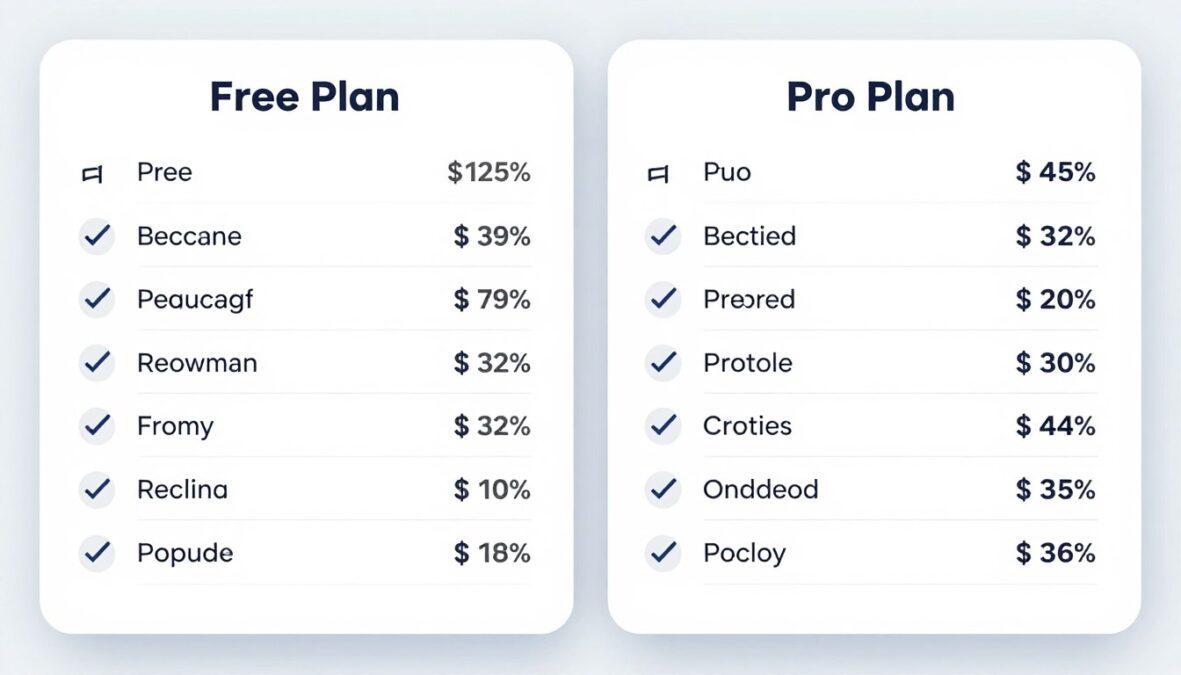
Magic Music offers both free and premium subscription options. The pricing structure balances accessibility for casual users with unlimited access for serious creators.
Free Plan
The free version lets you test Magic Music before committing financially. You can generate a limited number of songs per month. This restriction helps you evaluate whether the song generator fits your needs.
Free users access all genres and basic features. However, export quality may be limited, and you’ll see occasional prompts to upgrade. The free plan works well for occasional use or exploration.
Pro Subscription
The Pro subscription removes all limitations. Create unlimited songs without monthly caps. Generate as many variations as you need to perfect your music ideas.
Pro subscribers export songs in high-quality audio formats suitable for professional use. No watermarks or quality restrictions apply. You also get priority generation, meaning faster processing during peak times.
| Feature | Free Plan | Pro Plan |
| Songs per month | 10 songs | Unlimited |
| Export quality | Standard (128kbps) | High (320kbps) |
| Commercial use | Limited | Full rights |
| Generation speed | Standard queue | Priority processing |
| Ad-free experience | No | Yes |
| Lyrics generation | Limited | Unlimited |
| Monthly price | $0 | $9.99 |
Subscription Management
Pro subscriptions bill monthly through your App Store or Google Play account. Cancel anytime without penalties or complicated procedures. Cancellation takes effect at the end of your current billing period.
The app occasionally offers promotional pricing for new users. Seven-day free trials let you test Pro features before payment begins. This risk-free trial period helps you make an informed decision.
Value Assessment
At $9.99 monthly, Magic Music costs less than most music production software subscriptions. Traditional digital audio workstations often cost $20 to $50 monthly, plus additional costs for virtual instruments and samples.
For content creators who need regular background music, the subscription pays for itself quickly. Professional stock music tracks typically cost $15 to $50 per song. Generating your own songs eliminates these recurring costs.
Start Creating Music Today
Download Magic Music AI Tool and begin your 7-day Pro trial. Create unlimited songs across all genres with no credit card required to start.
Pros and Cons of Magic Music AI Tool

Every music creation tool has strengths and limitations. Understanding both helps you set realistic expectations and determine if Magic Music aligns with your specific needs.
Advantages
- No musical training needed: Anyone can create songs regardless of musical background or experience level
- Speed: Generate complete songs in under a minute, saving hours compared to traditional music production
- Genre variety: Access to 20+ musical styles from pop to classical, all from one app
- Royalty-free content: Use generated music commercially without additional licensing fees
- Cost-effective: Much cheaper than hiring composers or buying stock music regularly
- Unlimited iterations: Pro users can regenerate songs until achieving desired results
- Mobile accessibility: Create music anywhere using just your smartphone
- Lyrics generation: Creates both music and words for complete songs
- User-friendly interface: Simple design makes the app easy to navigate
- Regular updates: Developers continuously improve AI capabilities and add features
Limitations
- Limited fine control: Cannot adjust individual instruments or mix elements precisely
- Occasional misinterpretation: AI sometimes generates music that doesn’t match prompts exactly
- Generic elements: Some generations may sound similar or lack unique character
- No live editing: Cannot modify generated songs directly; must regenerate entirely
- Internet required: Song generation needs active internet connection for processing
- Free tier restrictions: Limited monthly generations restrict serious experimentation
- Mobile-only: No desktop version for users preferring larger screens
- Export format options: Limited audio format choices compared to professional software
- Learning curve for prompts: Writing effective descriptions takes practice and experimentation
- No collaborative features: Cannot share projects or work with others within the app
Who Benefits Most?
Magic Music excels for specific use cases. Content creators making videos, podcasts, or social media posts benefit tremendously. The tool generates custom background music matching specific content themes quickly.
Small business owners creating marketing materials find value in royalty-free music generation. Instead of navigating complex licensing, they create original tracks for advertisements and presentations.
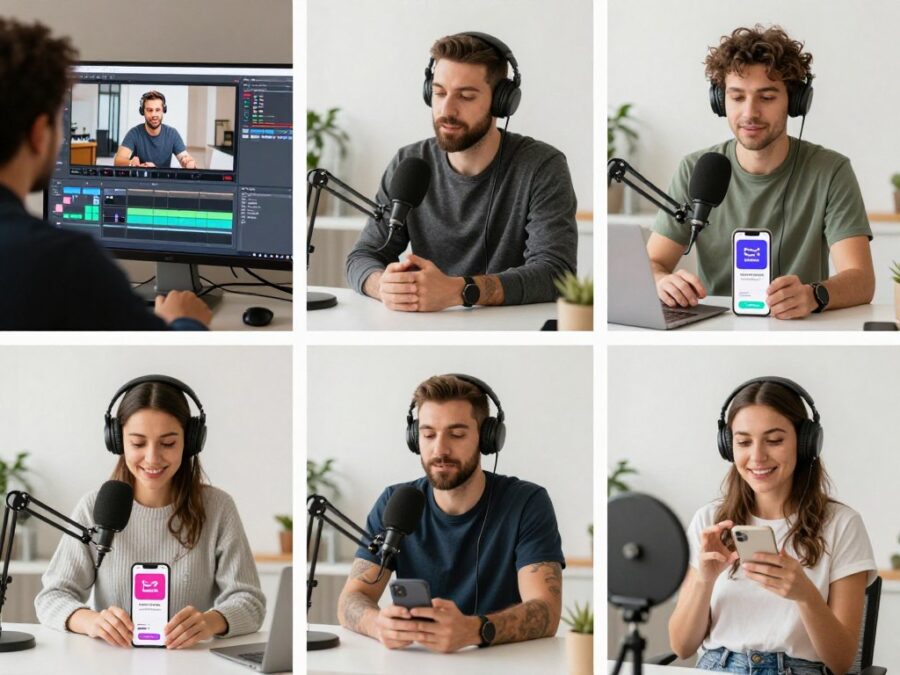
Hobbyists and beginners exploring music creation appreciate the low barrier to entry. They experiment with musical ideas without investing in expensive equipment or musical training. The app makes music creation a realistic hobby.
Who Might Need Alternatives?
Professional musicians requiring precise control over every musical element may find limitations frustrating. Magic Music doesn’t replace digital audio workstations for detailed production work.
Users wanting to edit specific instruments, adjust mixing parameters, or create complex arrangements need more advanced tools. The AI handles production automatically, which means less manual control.
Magic Music vs Other AI Music Generators: How Does It Compare?
The AI music generation space includes several competing platforms. Each offers different features, pricing, and capabilities. Understanding these differences helps identify which song generator best matches your requirements.
Major Competitors
Mubert, AIVA, Soundraw, and Boomy represent the main alternatives to Magic Music. These platforms range from simple mobile apps to complex web-based production tools. Each targets slightly different user segments.
Mubert
Focuses on endless generative music streams rather than individual songs. Best for ambient background music and continuous playback scenarios.
- Streaming-focused approach
- Real-time generation
- API for developers
AIVA
Specializes in classical and orchestral compositions. Offers more control over musical structure and composition rules.
- Classical music focus
- Advanced editing tools
- Multiple export formats
Soundraw
Web-based tool with extensive customization options. Allows tempo, instruments, and energy adjustments post-generation.
- Web-based accessibility
- Post-generation editing
- Royalty-free licensing
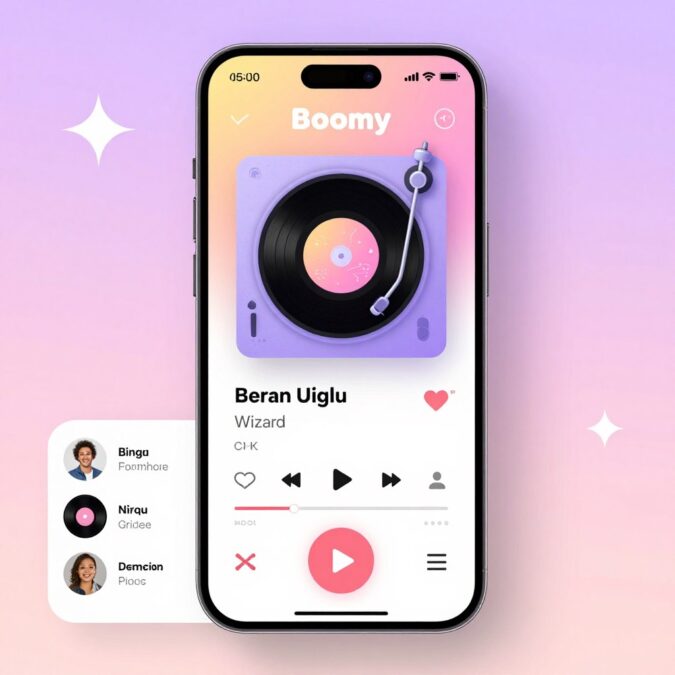
Boomy
Emphasizes social features and music distribution. Users can upload generated songs to streaming platforms.
- Distribution to Spotify
- Social community features
- Revenue sharing option
Loudly
Combines AI generation with traditional production tools. Offers more hands-on control for experienced users.
- Hybrid AI-manual workflow
- Advanced mixing tools
- Stem export capability
Amper Music
Enterprise-focused platform for professional content creators. Higher price point but more sophisticated capabilities.
- Professional-grade output
- Team collaboration tools
- Custom licensing options
Feature Comparison
Magic Music distinguishes itself through mobile-first design and simplicity. While competitors offer more advanced editing, Magic Music prioritizes speed and ease of use. This makes it ideal for users wanting quick results without complex workflows.
| Feature | Magic Music | Mubert | AIVA | Soundraw |
| Mobile app | Yes | Limited | No | No |
| Text prompts | Yes | Limited | No | No |
| Lyrics generation | Yes | No | No | No |
| Post-generation editing | No | No | Yes | Yes |
| Free tier | Yes | Yes | Yes | Limited |
| Starting price | $9.99/mo | $14/mo | $15/mo | $16.99/mo |
Pricing Comparison
Magic Music offers competitive pricing in the AI music generation market. At $9.99 monthly, it costs less than most alternatives. This lower price point reflects the streamlined feature set focused on essential generation capabilities.
AIVA and Soundraw charge higher monthly fees but include advanced editing tools. Mubert’s pricing varies based on usage tier and commercial licensing needs. Boomy offers free generation but takes revenue share if you distribute music commercially.
Quality Assessment
Output quality varies across platforms and depends heavily on use case. Magic Music produces good-quality songs suitable for background music, social media content, and casual listening. The audio quality meets most non-professional needs.
AIVA generates particularly impressive orchestral and classical compositions. Soundraw excels at electronic and contemporary genres with polished production values. Mubert creates excellent ambient and background music for continuous listening.
Which Should You Choose?
Choose Magic Music if you prioritize mobile accessibility, simple workflows, and affordable pricing. The song generator app works best for content creators, small business owners, and hobbyists who need quick music generation.
Consider AIVA for classical compositions or when you need detailed compositional control. Pick Soundraw if post-generation editing matters for your workflow. Select Mubert for continuous ambient music streams rather than discrete songs.
Use Cases and Target Audience for Magic Music AI Tool
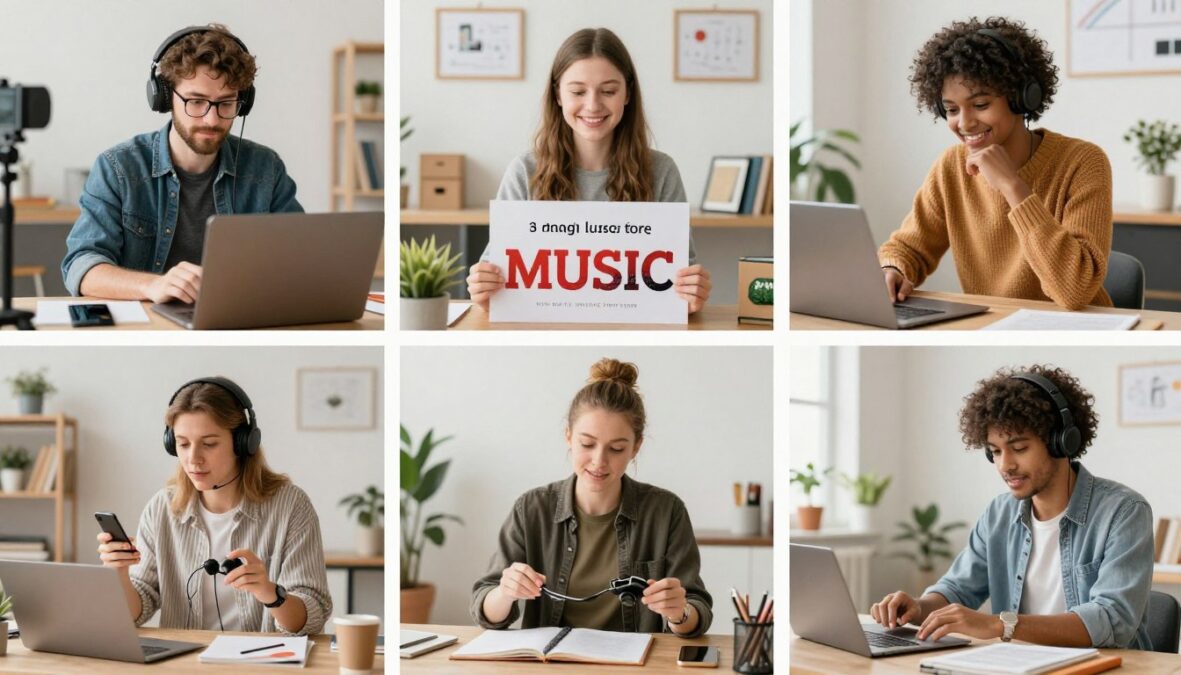
Magic Music serves multiple user groups with different needs. Understanding common use cases helps identify whether this song maker app matches your specific requirements.
Content Creators and Influencers
YouTube creators, podcasters, and social media influencers represent the largest user group. They need original background music for videos, intros, outros, and content segments. Magic Music solves their recurring music needs affordably.
Creating custom music for each video used to require expensive licenses or composers. Now creators generate unique tracks matching specific video themes in seconds. A travel vlog gets upbeat tropical music. A tech review receives modern electronic backing.
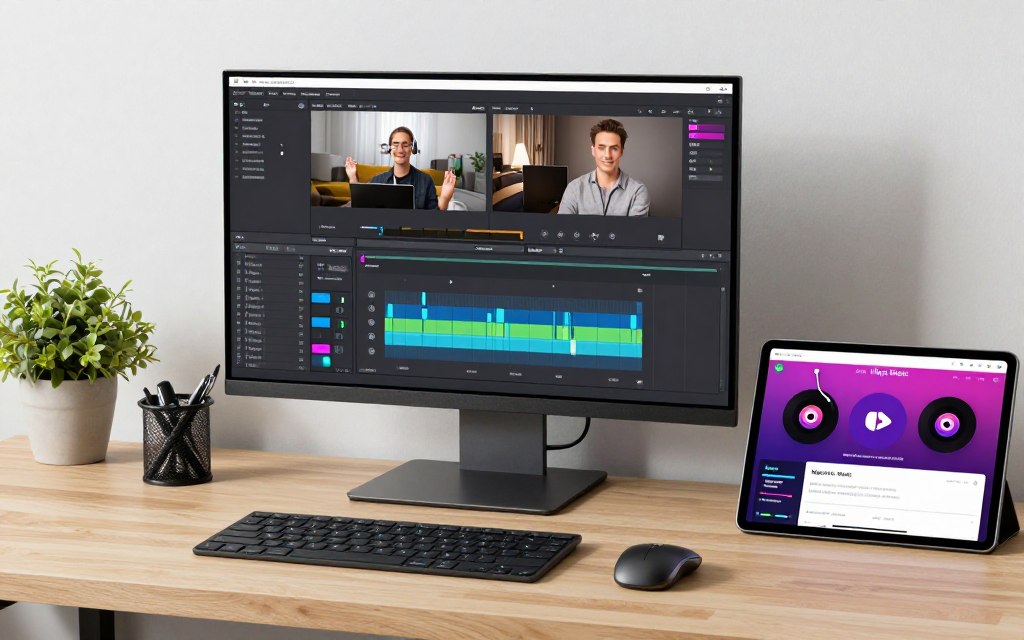
The royalty-free nature eliminates copyright concerns on platforms like YouTube and TikTok. Creators use generated songs without worrying about content strikes or monetization issues. This peace of mind proves invaluable for professional content producers.
Small Business Owners and Marketers
Small businesses use Magic Music for marketing videos, product demonstrations, and social media advertisements. Custom music enhances brand identity and professional appearance without breaking marketing budgets.
A local restaurant creates a promotional video with upbeat pop music. A fitness studio generates energetic workout tracks for class videos. An e-commerce store produces product showcase videos with trendy background music. Each business saves hundreds on stock music licenses.
Marketing Applications
- Social media advertisements
- Product demonstration videos
- Company presentations
- Website background music
- Trade show videos
- Email marketing videos
- Training materials
- Event promotions

Educators and Students
Teachers creating educational videos or presentations use Magic Music for engaging background audio. Music enhances student attention and makes lessons more memorable. Generated tracks match lesson themes perfectly.
A history teacher creates a video about ancient civilizations with appropriate atmospheric music. A science instructor generates upbeat tracks for experiment demonstrations. Students working on projects create custom soundtracks for presentations and videos.
Hobbyists and Music Enthusiasts
People curious about music creation explore Magic Music without needing musical training. They experiment with different genres, create songs for fun, or develop musical ideas they couldn’t execute otherwise.
Some users simply enjoy the creative process of generating music from text prompts. They share creations with friends or use them as personal ringtones and alarms. The low barrier to entry makes music creation accessible as a casual hobby.

Game Developers and App Creators
Indie game developers and mobile app creators need background music for projects. Magic Music provides affordable original soundtracks without hiring composers or licensing expensive stock music.
A puzzle game needs calm, relaxing background music. An action game requires intense, energetic tracks. A meditation app wants ambient soundscapes. Developers generate appropriate music for each scenario quickly.
Event Planners and Presenters
Professionals creating slideshows, presentations, or event videos use Magic Music for polished results. Wedding videos, corporate presentations, and conference materials all benefit from custom background music.
The ability to match music precisely to content tone and length proves valuable. A somber memorial video gets appropriate gentle music. An exciting product launch presentation receives energetic, modern backing.
Common Thread: All these user groups share the need for original, royalty-free music without extensive production knowledge or large budgets. Magic Music democratizes music creation for practical applications beyond artistic pursuits.
Performance and Quality Assessment of Magic Music
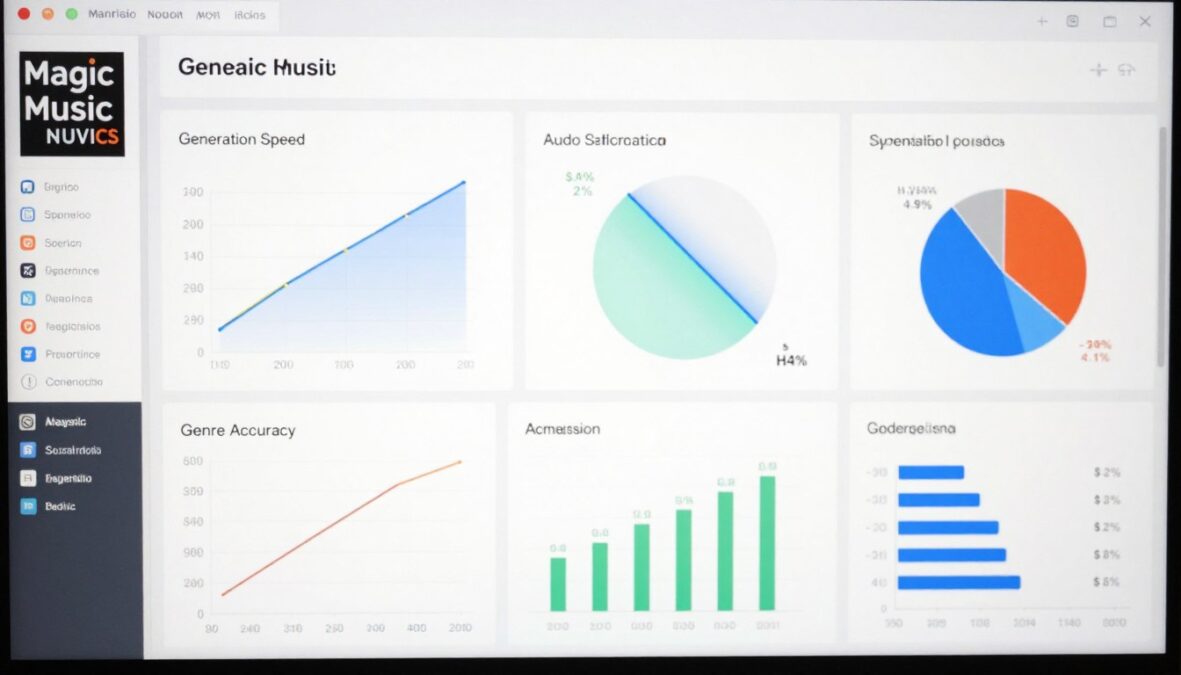
Evaluating any AI tool requires examining both technical performance and output quality. Magic Music demonstrates strengths in certain areas while showing room for improvement in others.
Generation Speed and Reliability
Magic Music consistently generates songs within 30 to 60 seconds. This speed surpasses manual music production by hours. Even compared to other AI music generators, Magic Music performs competitively in generation time.
The app maintains reliable uptime with rare service interruptions. Generations typically succeed on the first attempt. Occasional failures occur during peak usage times but remain infrequent enough not to disrupt workflow significantly.
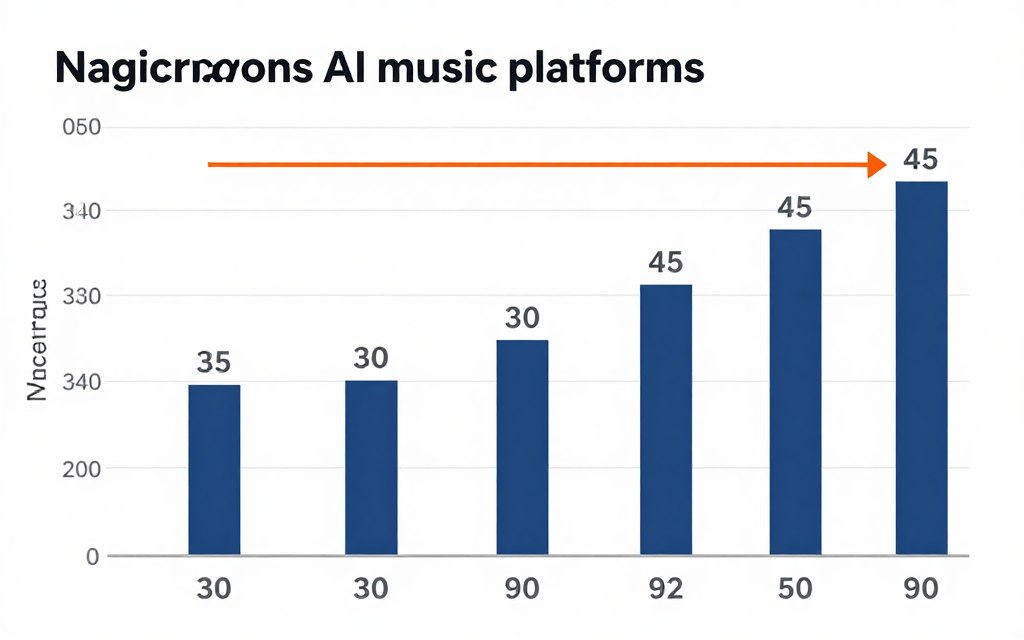
Audio Quality Analysis
The music generator produces audio quality suitable for most online content and personal use. Pro subscription exports at 320kbps MP3 format provide clear, professional-sounding results. This quality works well for YouTube videos, podcasts, and social media content.
Compared to professionally produced music, generated tracks sometimes lack dynamic range subtlety. Mixing and mastering don’t always match studio-quality standards. However, for intended use cases like background music, the quality proves more than adequate.
Musical Coherence and Structure
Generated songs maintain logical musical structure with recognizable sections like verses, choruses, and bridges. The AI understands song form conventions across genres. Pop songs have catchy hooks. Rock tracks build energy appropriately. Classical pieces develop themes naturally.
Occasionally, transitions between sections feel abrupt or unnatural. Some generations lack the subtle variations professional producers add for interest. However, the majority of outputs demonstrate solid musical understanding and appropriate structure.
Genre Authenticity
Magic Music excels at capturing genre characteristics. Pop songs sound appropriately polished with modern production. Jazz tracks incorporate appropriate improvisation and swing feel. Electronic music uses contemporary sound design and production techniques.
Each genre maintains authentic instrumentation choices. Rock songs use electric guitars, bass, and drums. Orchestral pieces employ appropriate string, brass, and woodwind sections. Country music includes banjos, fiddles, and steel guitars where appropriate.

Prompt Interpretation Accuracy
The text prompt interpretation represents both a strength and area for improvement. Simple prompts like “happy pop song” or “sad piano music” consistently produce appropriate results. The AI understands basic descriptive language well.
Complex prompts with multiple specific requirements sometimes get misinterpreted. Requesting “upbeat jazz with saxophone solo, minor key, medium tempo, vintage 1950s style” might not deliver all specified elements. The AI prioritizes some aspects while overlooking others.
With practice, users learn which prompt styles work best. Iterative refinement through multiple generations typically yields desired results even when initial outputs miss the mark.
Consistency and Variation
Regenerating the same text prompt produces different songs each time. This variability allows exploring multiple interpretations of the same idea. Users can generate several versions and select the best match.
However, this inconsistency can frustrate users wanting predictable results. Unlike template-based systems where inputs reliably produce similar outputs, Magic Music’s variation means less control over specific outcomes.
User Experience and Interface
The mobile app interface earns high marks for simplicity and clarity. Navigation feels intuitive even for first-time users. The generation process requires minimal steps, reducing confusion and streamlining workflow.
The built-in music player provides adequate functionality for previewing and managing generated songs. Waveform visualization helps users understand track structure at a glance. Library organization could benefit from more robust filtering and search capabilities.
Real User Experiences and Testimonials

User feedback provides valuable perspective on how Magic Music performs in real-world scenarios. Reviews from various platforms reveal common themes in user satisfaction and frustration.
Positive User Feedback
Many users praise the app’s ease of use and quick learning curve. Content creators especially appreciate the time savings compared to searching for stock music or hiring composers. The ability to generate unlimited variations until finding the perfect match receives frequent mention.
“As a YouTuber creating 3-4 videos weekly, Magic Music saves me countless hours. I generate custom background music matching each video’s theme in under a minute. The Pro subscription paid for itself in the first week.”
Small business owners highlight the cost savings and creative control. Being able to create brand-appropriate music without navigating licensing complexities appeals to this audience significantly.
“I run a small marketing agency. Magic Music lets us create custom music for client videos without blown budgets. Clients love having unique soundtracks instead of recognizable stock music everyone uses.”
Common Complaints
Some users express frustration with prompt interpretation inconsistency. Getting the AI to understand complex, specific requests sometimes requires multiple attempts and rephrasing. This trial-and-error process can feel time-consuming despite the quick generation speed.
“The app works great for simple requests, but I struggled getting specific results. Wanted a particular mood and tempo combination that took 10+ generations to achieve. Wish there were more direct controls.”
The lack of post-generation editing receives criticism from users with some musical knowledge. They want to adjust individual elements, change mixing levels, or modify specific instruments. The all-or-nothing approach limits creative fine-tuning.
Genre-Specific Feedback
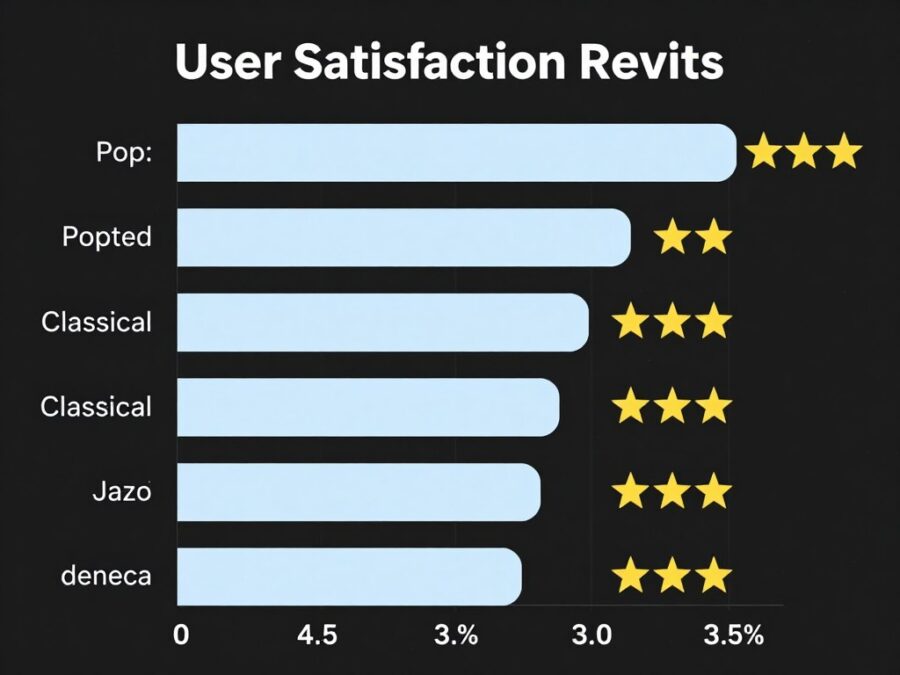
Pop and electronic music users report high satisfaction with output quality. These genres align well with the AI’s training and production capabilities. Users creating rock, hip-hop, and dance music typically achieve good results.
Classical and jazz enthusiasts express more mixed feelings. While the AI understands genre conventions, complex orchestrations sometimes lack the nuance of human composition. Jazz improvisations can feel repetitive or formulaic.
Learning Curve Experiences
New users generally report quick initial success with basic prompts. The learning curve accelerates as they discover effective prompt writing techniques. Most users feel confident creating satisfactory music within their first hour of use.
Advanced users who invest time in understanding prompt nuances achieve better results consistently. They learn which descriptive words the AI interprets most effectively and develop personal prompt templates for reliable outcomes.
Join 100,000+ Creators Using Magic Music
See why thousands of content creators, businesses, and music enthusiasts choose Magic Music AI Tool. Start your free trial and create your first song in under 60 seconds.
Tips and Best Practices for Creating Better Music
Maximizing Magic Music’s capabilities requires understanding how to communicate effectively with the AI. These strategies help users achieve better, more consistent results.
Writing Effective Text Prompts
Start with clear genre identification. Begin prompts with the style you want: “Pop song,” “Jazz piece,” “Classical composition.” This immediately sets the AI’s direction and improves accuracy.
Add mood descriptors next. Words like “happy,” “sad,” “energetic,” “calm,” “mysterious,” or “romantic” guide emotional tone. The AI responds well to emotional keywords and adjusts musical elements accordingly.
Include These Elements
Comprehensive prompts yield better results:
- Primary genre or style
- Mood or emotional tone
- Tempo indication (fast, slow, medium)
- Key instruments or sounds
- Era or time period reference
- Intended use context
Avoid These Mistakes
Common prompt errors reduce quality:
- Overly complex requests
- Contradictory descriptions
- Too many specific requirements
- Vague or ambiguous language
- Technical jargon the AI doesn’t understand
- Extremely long prompts
Iteration Strategies
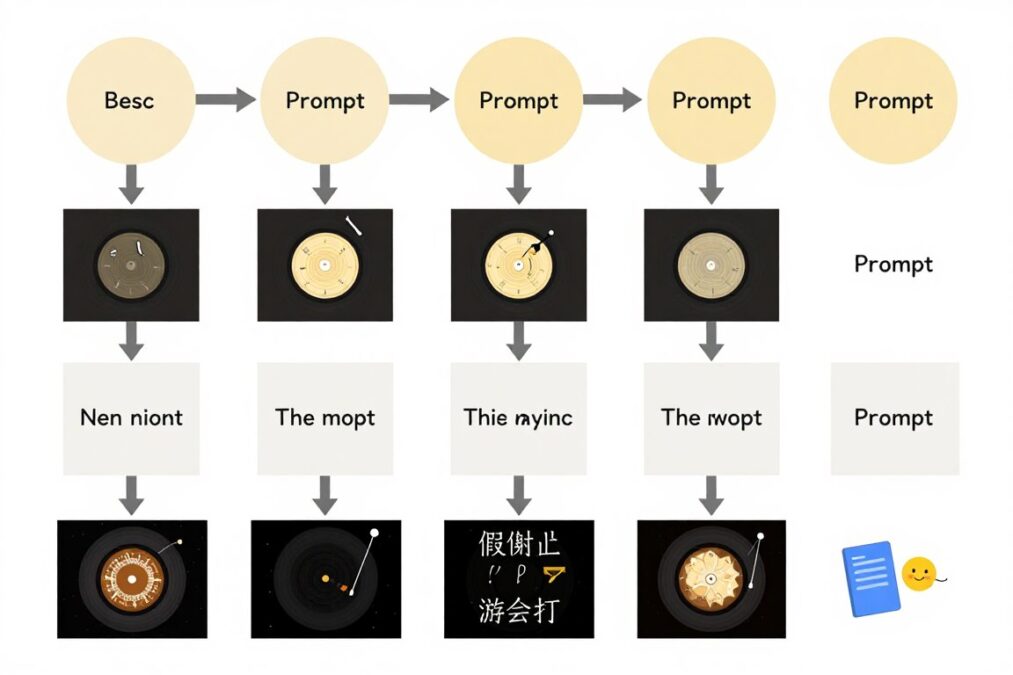
Don’t expect perfect results on the first try. Pro users leverage unlimited generations to explore variations. Generate three to five versions of each concept, then select the best match.
Make incremental prompt adjustments between generations. If the first result is too slow, add “upbeat” or “fast tempo” to your next attempt. If instrumentation feels wrong, specify desired instruments explicitly.
Genre-Specific Techniques
Different genres respond better to specific prompt styles. Pop music benefits from descriptive mood words and contemporary references. Classical music works well with compositional terms like “symphony,” “sonata,” or “nocturne.”
Electronic music responds to production style mentions: “ambient,” “techno,” “house,” “dubstep.” Rock music benefits from energy descriptors: “aggressive,” “mellow,” “anthemic.” Jazz improves with style era references: “bebop,” “smooth,” “fusion.”
Using Reference Styles
While you can’t directly copy existing songs, referencing styles works well. Phrases like “in the style of 1980s synth-pop” or “reminiscent of classic film noir jazz” help the AI understand your vision without copyright concerns.
Avoid naming specific artists or songs. The AI doesn’t replicate particular tracks but understands broad stylistic categories and eras effectively.
Optimizing for Specific Use Cases
Tailor prompts to intended applications. Background music for videos benefits from “instrumental” specification and “subtle” or “unobtrusive” descriptors. Foreground listening music can be more complex and attention-grabbing.
Looping music for games or apps should request “repetitive,” “consistent,” or “ambient” characteristics. Event music might need “celebratory,” “energetic,” or “elegant” qualities depending on the occasion.
- “Upbeat indie pop song with acoustic guitar and hand claps, summer vibes, medium tempo”
- “Calm piano piece with gentle strings, reflective and emotional, slow tempo”
- “Energetic electronic dance track with heavy bass, party atmosphere, fast beat”
- “Jazz trio piece with saxophone lead, smooth and sophisticated, medium swing”
- “Epic orchestral soundtrack with brass and percussion, heroic and dramatic”
Effective Prompt Examples
- “Good music” (too vague, no direction)
- “Happy sad energetic calm song” (contradictory)
- “Like that one song from that movie with the guitar solo in C minor at 128 BPM” (overly specific)
- “Make it sound professional and high-quality” (assumes rather than describes)
- “Song with piano drums guitar bass violin cello trumpet saxophone” (too many instruments)
Ineffective Prompt Examples
Managing Expectations
Understand the AI’s limitations. It won’t replicate exactly what’s in your head, but it will create something close with proper guidance. Think of it as a creative partner rather than a mind-reading tool.
Focus on overall feel and general characteristics rather than exact specifications. The magic music platform excels at capturing broad strokes while specific details may vary from your precise vision.
Frequently Asked Questions About Magic Music AI Tool
Is musical training needed to use Magic Music AI Tool?
No musical training needed whatsoever. Magic Music is specifically designed for people without musical backgrounds. You simply describe what you want in plain language, and the AI handles all technical aspects of music creation. Anyone can create professional-sounding songs regardless of musical experience or knowledge.
Can I use Magic Music songs commercially?
Pro subscribers receive full commercial usage rights for generated music. You can use songs in YouTube videos, podcasts, advertisements, products, and other commercial projects without additional licensing fees. Free tier users have limited commercial rights, so upgrade to Pro for unrestricted commercial use.
How long does it take to generate a song?
Most songs generate within 30 to 60 seconds. Generation time depends on current server load and song complexity. Pro subscribers get priority processing during peak times for slightly faster generation. This speed makes Magic Music one of the fastest AI music generators available.
What audio quality does Magic Music produce?
Free users export at standard quality (128kbps MP3 format). Pro subscribers get high-quality exports at 320kbps MP3, which is suitable for professional use in videos, podcasts, and streaming platforms. The audio quality meets industry standards for digital content.
Can I edit generated songs after creation?
Magic Music doesn’t include built-in editing tools. You receive complete songs that cannot be modified within the app. However, you can export songs and edit them using external audio editing software if needed. For different results, regenerate with modified text prompts rather than editing.
How many songs can I create with the free version?
The free plan allows 10 song generations per month. This limitation helps you test the platform before committing to a subscription. Pro users enjoy unlimited song generation without monthly caps, allowing extensive experimentation and multiple projects.
Does Magic Music work offline?
No, Magic Music requires an internet connection for song generation. The AI processing happens on remote servers, not on your device. You need active internet when generating songs. However, previously created and saved songs can be played offline once downloaded to your device.
What genres can Magic Music create?
Magic Music supports over 20 genres including pop, rock, jazz, classical, electronic, hip-hop, R&B, country, folk, ambient, and more. You can also request hybrid genres by combining styles in your text prompt. The AI understands genre conventions and creates authentic-sounding music for each style.
Can Magic Music generate songs with lyrics?
Yes, Magic Music can create songs with both music and lyrics. Simply mention in your text prompt that you want vocals and specify the theme or message. The AI generates lyrics that match the melody and your specified topic. This feature works for multiple genres and vocal styles.
Is there a desktop version of Magic Music?
Currently, Magic Music is mobile-only, available for iOS and Android devices. There is no desktop or web version at this time. The developers focused on mobile-first design for accessibility and convenience, allowing users to create music anywhere using their smartphones or tablets.
Can I cancel my Pro subscription anytime?
Yes, Pro subscriptions can be canceled anytime without penalties. Cancellation takes effect at the end of your current billing period, so you retain Pro access until then. Manage subscriptions through your App Store or Google Play account settings. The process is straightforward with no complicated procedures.
How does Magic Music compare to hiring a composer?
Magic Music costs significantly less than hiring composers, who typically charge to 0+ per track. The song generator creates music in seconds versus the days or weeks composers need. However, professional composers offer more customization and artistic nuance. Magic Music works best for background music, content creation, and projects where speed and budget matter more than absolute perfection.
Final Verdict: Should You Use Magic Music AI Tool?
Magic Music AI Tool delivers on its core promise: making music creation accessible to everyone regardless of musical training. The app successfully removes traditional barriers of skill, time, and cost that prevented most people from creating original music.
For content creators, small businesses, educators, and hobbyists, Magic Music represents excellent value. The $9.99 monthly Pro subscription costs less than a single stock music license while providing unlimited custom music generation. The time savings alone justify the investment for regular users.
Who Should Use Magic Music
This song generator app works best for specific user types. YouTubers and podcasters creating regular content benefit tremendously from unlimited background music. Small business owners making marketing videos save money and gain creative control.
Educators developing engaging lesson materials find value in custom music matching their content. Hobbyists exploring music creation discover a accessible entry point without expensive equipment or years of training. Game developers and app creators get affordable original soundtracks.
Who Might Want Alternatives
Professional musicians requiring precise control over every musical element should consider more advanced tools. Magic Music prioritizes simplicity over detailed customization. Users wanting to edit specific instruments, adjust mixing parameters, or create complex arrangements need professional digital audio workstations.
Those seeking absolute perfection in every generation may feel frustrated by the AI’s occasional inconsistencies. While most outputs satisfy intended use cases, achieving exactly what you envision sometimes requires multiple attempts.
Value Proposition Assessment
Comparing Magic Music to alternatives reveals strong value. At $9.99 monthly, it costs less than most competing AI music generators while maintaining competitive quality. The mobile-first approach adds convenience competitors lack.
Traditional music production alternatives cost significantly more. Professional software subscriptions run $20 to $60 monthly plus additional instrument library costs. Hiring composers or buying stock music costs hundreds for regular users. Magic Music offers clear financial advantages.
Room for Improvement
Magic Music could enhance user experience through several additions. Post-generation editing capabilities would address a common user request. More direct control over tempo, key, and structure would improve precision. A desktop or web version would serve users preferring larger screens.
Improved prompt interpretation consistency would reduce trial-and-error frustration. Better organization tools for large music libraries would help prolific creators. Despite these potential improvements, the current version serves its target audience effectively.
Final Recommendation
Magic Music AI Tool earns a strong recommendation for its target audience. The combination of accessibility, affordability, and adequate quality creates compelling value. Whether you’re a content creator needing regular background music or a hobbyist exploring musical creativity, Magic Music removes barriers that traditionally prevented music creation.
The free tier allows risk-free testing before financial commitment. Try the app, generate several songs, and evaluate whether it meets your needs. Most users discovering Magic Music solves their music creation challenges find the Pro subscription worthwhile.
For anyone who has wished they could create music but lacked the training, time, or resources, Magic Music AI Tool represents an accessible solution. It won’t replace professional composers or advanced production tools, but it successfully democratizes music creation for practical everyday needs.
Create Your First AI Song in Under 60 Seconds
Download Magic Music AI Tool and start your free 7-day Pro trial. Experience unlimited music generation across 20+ genres with no musical training needed. Join over 100,000 creators making music effortlessly.
Magic Music transforms musical ideas into reality for everyone, regardless of experience. The future of accessible music creation is here.
There are no reviews yet. Be the first one to write one.