
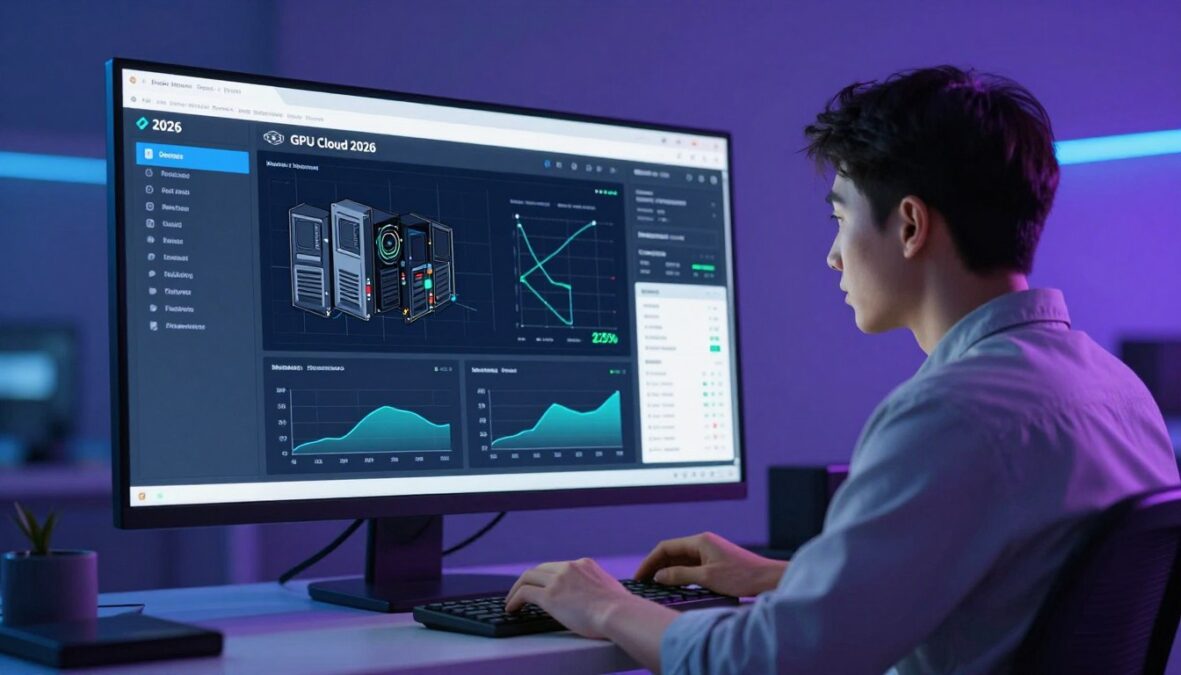
GPU cloud buying decisions can look simple until a model needs more memory, a workload runs longer than planned, or an hourly rate turns into a large monthly bill. RunPod attracts developers with fast GPU access and a simpler experience than many large cloud providers. This review examines where that promise holds up in 2026.
Quick verdict: is RunPod worth using in 2026?
RunPod is a strong option for users who want direct GPU access without building a full environment in AWS, Google Cloud, or Azure. Its appeal is practical. Users can rent hardware for development, launch containers, expose an inference endpoint, and scale selected workloads without signing a long contract.
The platform is most useful when speed and flexibility matter more than a broad enterprise feature set. AI developers can test models quickly. Researchers can run experiments without buying hardware. Startups can use rented capacity before committing to a larger cloud architecture.
The main caution is that the cheapest advertised GPU is not always the cheapest complete workload. Storage, idle time, data transfer, setup work, and unavailable hardware can change the final cost. Reliability and support may also feel different from a large enterprise cloud, especially for teams that need formal service guarantees.
What the ranking pages reveal about CTA strategy
The three supplied results serve different jobs. That difference matters when competing for the same search. A reader may want an editorial opinion, a large sample of user feedback, or a practical review before opening an account.
| Ranking page | Primary goal | Likely audience | CTA direction | Best lesson |
| Hackceleration review | Inform and evaluate | Warm developers and technical buyers | Contextual product or research link | Build trust before asking for action |
| G2 reviews | Generate review engagement and comparison intent | B2B buyers and software evaluators | Read reviews, compare, or submit feedback | Use evidence and social proof near conversion points |
| TodayTesting review | Inform with possible affiliate intent | Cold and warm users seeking a simple verdict | Visit the service after feature and pricing context | Place a native link after a useful explanation |
Because the supplied HTML text is empty, specific button wording cannot be verified from the source data. The safe conclusion is strategic rather than literal. Review pages tend to convert best when the CTA follows a clear benefit, not when it interrupts the first paragraph.
Runpod AI tool review 2026 CTA plan
This article should serve three reader stages. Early readers need a quick verdict. Mid-funnel readers need pricing, setup, and performance details. Late-stage readers need a direct route to current GPU access, documentation, or an account.
- Use a low-pressure availability CTA after the quick verdict.
- Use a pricing and documentation CTA after the billing section.
- Use an evidence CTA that points to independent user reviews.
- Use one final registration CTA after the balanced verdict.
What is RunPod?
RunPod is a cloud platform focused on rented GPU computing. Instead of purchasing a workstation or reserving a large enterprise contract, a user can select a GPU environment and pay for usage. The platform supports interactive development, model training, batch jobs, and inference.
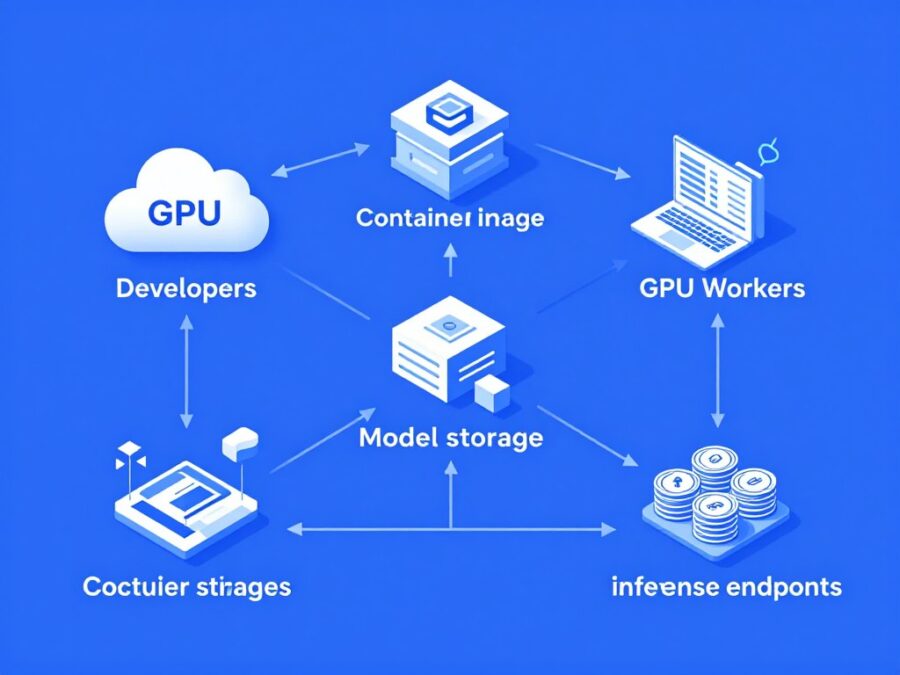
The service is designed around fast access. A user can choose a template, attach storage, start a pod or deploy a serverless worker, then connect through a web interface or developer tools. This workflow can reduce the setup time required by a general-purpose cloud.
RunPod is not a single AI model. It is an infrastructure layer. Users bring their own models, code, containers, and data. That flexibility is useful, but it also means the user remains responsible for environment design, security choices, data handling, and workload monitoring.
Main features and supported workloads
RunPod offers several ways to run AI workloads. The best option depends on whether the user needs an interactive machine, a repeatable API, or temporary compute for experiments.
Pods for direct control
Pods act like rented GPU machines. They suit notebooks, custom containers, development environments, and longer jobs that need direct system access.
- SSH and terminal access
- Custom images and environments
- Useful for training and testing
Serverless inference
Serverless workers are designed for API-style inference. Capacity can start when requests arrive, which may reduce idle time for uneven traffic.
- Request-based architecture
- Worker scaling options
- Good for model endpoints
Templates and community tools
Templates can shorten setup by providing a prebuilt software environment. Community resources may help users discover models and deployment patterns.
- Faster initial setup
- Reusable environment choices
- Useful for common models
Supported workloads can include image generation, large language model inference, fine-tuning, computer vision, speech processing, embeddings, and data science. Results depend on the model, framework, GPU memory, batch size, storage speed, and software configuration.
GPU availability and performance
GPU access is one of RunPod’s main reasons to exist. The platform can provide access to popular data center and workstation-class hardware, but the exact list, price, and capacity can change. Region, demand, maintenance, and provider supply all affect what a user sees.
Performance should be measured with the user’s own model. A GPU with more memory may be a better choice than one with a lower hourly price if it avoids model sharding or out-of-memory errors. Memory bandwidth, CUDA support, storage speed, and network behavior can also affect total time.
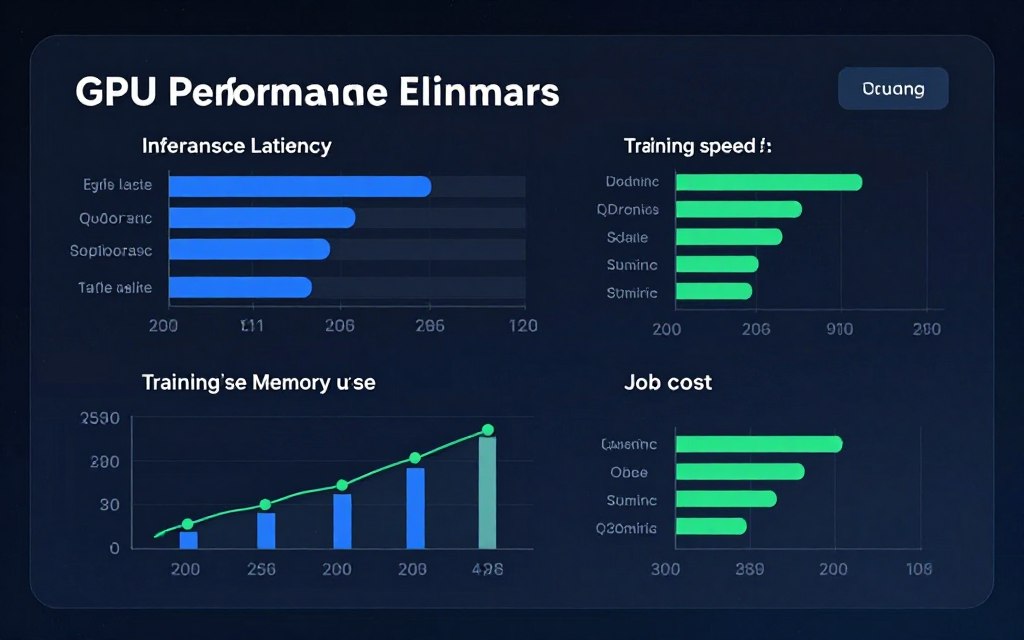
For inference, measure tokens per second, image generation time, first-request latency, and concurrent request behavior. For training, measure samples per minute, checkpoint time, data loading, and failure recovery. A short benchmark is more useful than a generic claim that one GPU is fast.
| Workload | Important GPU measure | What to test | Common risk |
| LLM inference | Memory and tokens per second | Prompt length, batch size, concurrent users | Latency rises under load |
| Image generation | VRAM and image time | Resolution, steps, and model size | Large models exceed memory |
| Fine-tuning | Memory, speed, and checkpoint time | Dataset size and training duration | Idle cost during debugging |
| Batch processing | Total job cost | Queue time and restart behavior | Data movement adds time |
Pricing, billing, storage, and total cost
RunPod pricing is usage-based, but the final amount depends on more than the advertised GPU rate. Users should account for compute time, storage, network transfer, stopped resources, image downloads, and any separate service charges. Current prices should always be checked on the official platform before deployment.
On-demand use is simple for short experiments. Spot or interruptible capacity may offer lower cost, but it can introduce interruptions or limited availability. That option is better for restartable training, batch jobs, and experiments than for a production endpoint that must stay available.
Storage deserves special attention. A user may stop a GPU while keeping data attached. That can be useful, but persistent storage may continue to create a charge. Delete unused volumes, snapshots, and environments when an experiment ends.
A basic monthly estimate is:
- Multiply the GPU hourly price by active hours.
- Add storage for the number of gigabytes and days retained.
- Add network or service charges where applicable.
- Include failed runs, idle time, and model downloads.
- Compare the total with a reserved or managed alternative.
Important: A low hourly GPU price does not guarantee low total cost. Benchmark the complete workflow, including setup, data movement, storage, and idle minutes.
Setup process and user experience
The setup experience is one of RunPod’s strongest advantages for independent developers. A typical flow starts with account creation, payment setup, and a choice between a pod or serverless deployment. The user then selects a GPU, chooses a template or container, attaches storage, and starts the environment.
After launch, the user can connect through a browser interface, terminal, notebook, or API. The interface provides useful information about state, logs, hardware, and connection details. The exact experience depends on the template and the user’s technical skill.
New users should create a small test before loading a large model. Confirm that the CUDA version, drivers, Python packages, model files, ports, and storage path work as expected. A five-minute test can prevent hours of paid troubleshooting.
Simple setup checklist
- Choose the required GPU memory.
- Pick a trusted image or container.
- Attach only the storage you need.
- Run a small health check.
Before production use
- Record model and package versions.
- Test restart and failure recovery.
- Protect credentials and private data.
- Monitor usage and monthly cost.
Scalability, serverless workers, and integrations
RunPod can scale more easily than a single local workstation, but scale is not automatic in every situation. A pod gives direct capacity. Serverless workers offer a more elastic pattern for inference. The user still needs to define worker limits, concurrency, cold-start behavior, queue handling, and model loading.
Serverless inference is attractive when traffic is uneven. A worker can process a request and then scale down when demand falls. However, cold starts can affect the first request, especially when a large model must load into GPU memory. Keep frequently used models warm only when the added cost is justified.
Integration usually involves an API, container image, object storage, a queue, and an application layer. Teams should decide where authentication, rate limiting, request validation, and logging will occur. The platform can provide compute, but it does not replace application architecture.
Security, reliability, and customer support
Security depends on both the platform and the user’s configuration. Teams should review account protection, API key handling, network exposure, container trust, data retention, and access permissions. Do not place sensitive information in a public environment without confirming the required controls.
Reliability also has several parts. A GPU may be available, but a workload can still fail because of a container error, model download issue, storage problem, network interruption, or provider maintenance. Use checkpoints for training and build retry logic for inference.
Support quality is important when a failed job has a business cost. Documentation and community discussion can help with common problems. Enterprise users should confirm response expectations, escalation paths, service commitments, and data requirements before moving a critical system.
Security warning: Treat third-party images and community templates as untrusted until reviewed. Rotate keys, limit access, and keep private data outside temporary environments when possible.

- Use separate accounts or projects for experiments and production.
- Set spending alerts and review usage each week.
- Store secrets in a secure system instead of code.
- Test backups, logs, restart behavior, and failure recovery.
- Confirm support terms before accepting business-critical risk.
RunPod compared with AWS, Google Cloud, Azure, Lambda, and other providers
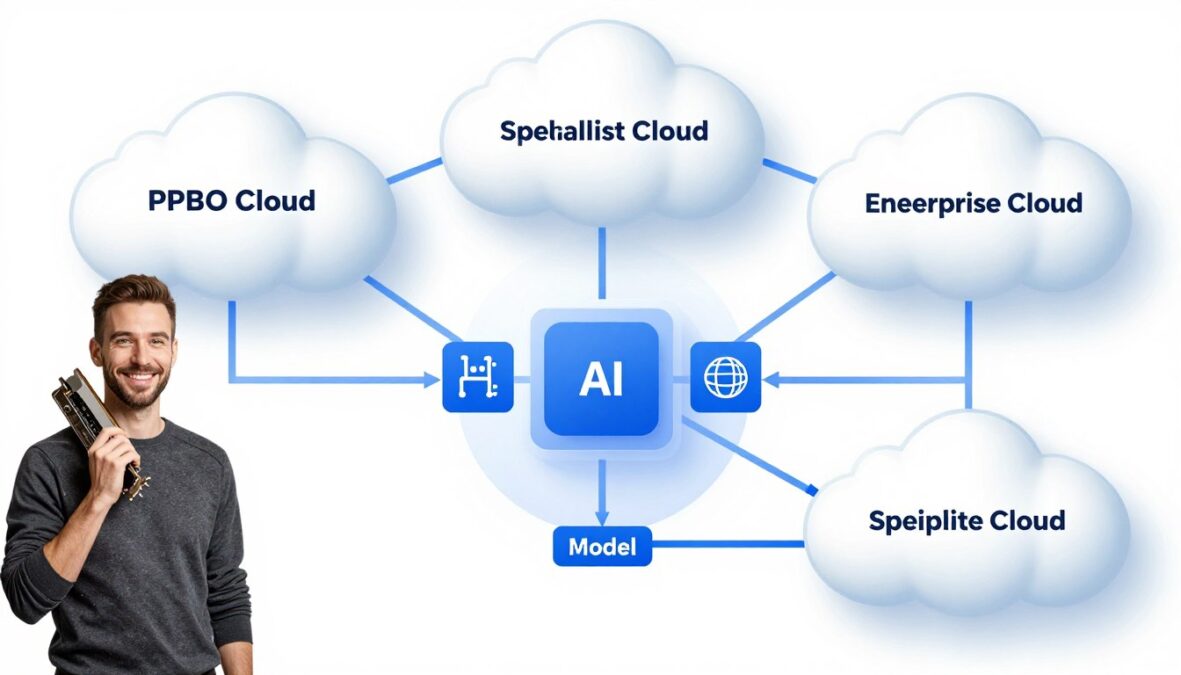
RunPod competes with both large cloud platforms and specialist GPU providers. The right choice depends on control, compliance, ecosystem, capacity, and operational skill.
| Provider type | Best fit | Strength | Trade-off |
| RunPod | Developers and startups needing fast GPU access | Focused interface and flexible workloads | Less broad than a major cloud ecosystem |
| AWS | Teams already using AWS services | Deep ecosystem, identity, networking, and enterprise tools | More setup complexity and possible cost overhead |
| Google Cloud | Data and ML teams using Google systems | Strong data, analytics, and machine learning integration | Configuration can be complex for small experiments |
| Azure | Organizations using Microsoft services | Enterprise identity and business integration | Capacity and pricing vary by region and contract |
| Lambda and specialist clouds | Users wanting focused GPU infrastructure | Clear AI infrastructure focus | Features, capacity, and support differ by provider |
RunPod is often easier to test than a large cloud. AWS, Google Cloud, and Azure may be better when the GPU is only one part of a larger system involving identity, databases, private networking, governance, and compliance. Lambda and other specialist providers deserve a direct price and hardware comparison based on the user’s region.
Practical use cases, pros, and limitations
RunPod is a good match for workloads that need GPU access but do not justify owned hardware. The service can help a developer validate a product idea, a researcher run an experiment, or a small team expose a model API.
AI developers
Developers can test models, build containers, and connect inference to an application without managing a physical server.
- Rapid prototypes
- Custom model APIs
- Temporary GPU environments
Researchers
Researchers can rent compute for experiments and training runs. Checkpointing and cost tracking remain essential.
- Fine-tuning
- Reproducible experiments
- Batch evaluation
Startups and teams
Teams can validate demand before making a larger infrastructure commitment. Production requirements should be reviewed early.
- Model demos
- Early inference services
- Flexible capacity
- Focused access to rented GPU hardware
- Useful options for pods and serverless inference
- Fast setup for many common workloads
- Flexible for experiments and prototypes
- Can reduce the need to buy hardware
- Availability and pricing can change
- Total cost includes more than GPU minutes
- Users manage much of the environment
- Support expectations may differ by plan
- Enterprise controls may be narrower than major clouds

How to test RunPod before a larger commitment
A controlled test is the best way to turn a general review into a buying decision. Start with a small model or a limited dataset. Record the full time from account setup to a working result. Include the minutes spent downloading files, fixing packages, and restarting workers.
- Define the model, memory requirement, expected requests, and target response time.
- Choose two or three suitable GPU types rather than selecting only the lowest price.
- Run the same workload with the same software and input data.
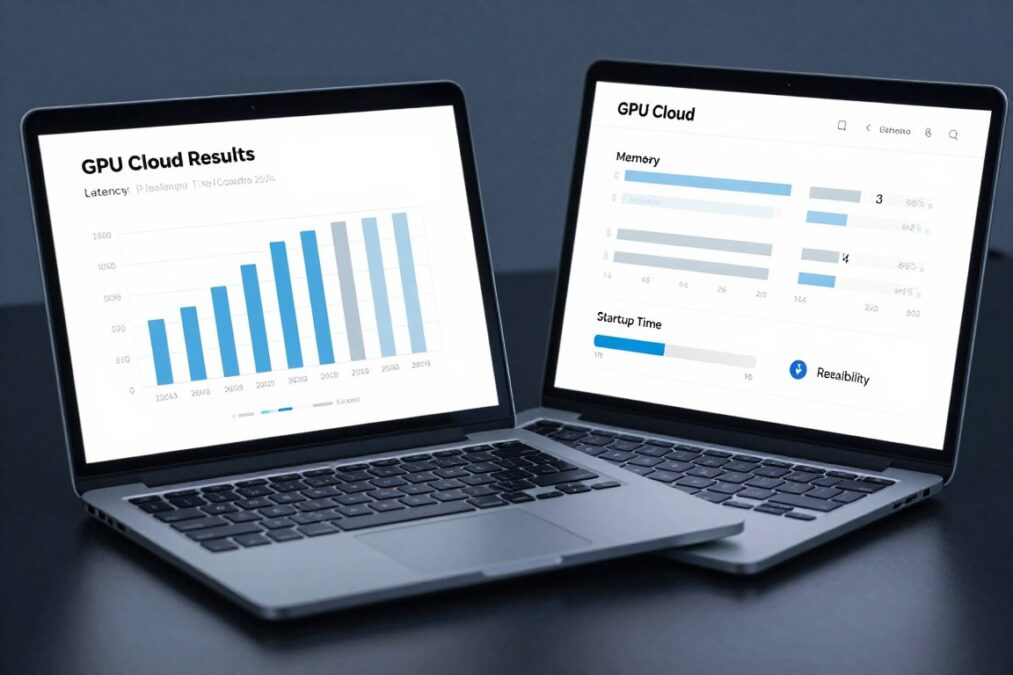
- Record startup time, inference speed, failure rate, storage use, and total cost.
- Stop unused resources and check whether storage remains active.
- Repeat the test during a different time or region if capacity is important.
- Compare the result with one large cloud and one specialist competitor.
For production, test more than speed. Confirm worker recovery, logs, API behavior, authentication, model updates, data deletion, and support response. A platform that wins a five-minute benchmark may not win a month-long service evaluation.
RunPod review FAQ for 2026
Is RunPod good for beginners?
Is RunPod suitable for model training?
Is serverless inference always cheaper?
How does RunPod compare with AWS?
What should users check before uploading private data?
Final verdict: should you use RunPod in 2026?
RunPod is worth considering when the priority is flexible GPU access with a relatively direct setup. It is especially compelling for AI developers, researchers, startups, and teams building early inference services. Pods provide control, while serverless workers can support request-based models.
The platform is not automatically the best choice for every business. Teams with strict compliance, complex private networking, formal support requirements, or a deep existing AWS, Google Cloud, or Azure stack may gain more from staying with a major provider. A low compute rate also needs to be tested against storage, network, setup, and idle cost.
The most effective decision is practical. Select a small workload, measure performance and total cost, review the security model, and compare the result with at least two alternatives. If the test meets the model’s memory, speed, reliability, and budget requirements, RunPod can provide strong value in 2026.
There are no reviews yet. Be the first one to write one.