
In early 2026, a small open-source project called ClaudBot quietly appeared on GitHub. Within weeks, it evolved into OpenClaw and sparked what many are calling the most significant shift in consumer AI since ChatGPT. This isn’t just another chatbot—it’s an autonomous agent that remembers conversations, takes initiative, and performs real-world tasks without constant supervision. Let’s explore how this viral AI phenomenon emerged and why it matters.
The Birth of ClaudBot: From Weekend Project to Viral Sensation
ClaudBot began as a weekend project by Austrian developer Peter Steinberger, who had previously sold his company PSPDFKit for approximately $119 million. Looking for a new challenge, Steinberger wanted to create what he called “an AI assistant that actually assists” rather than just responds to prompts.
The initial concept was straightforward but revolutionary: build an AI agent that could run locally on a user’s machine, maintain persistent memory across conversations, and autonomously execute tasks through existing applications. Unlike conventional chatbots that reset with each session, ClaudBot would remember your preferences, learn from past interactions, and proactively manage tasks without constant supervision.

Within 24 hours of its GitHub release, ClaudBot garnered over 9,000 stars—an extraordinary number for a new project. Tech influencers and AI researchers quickly took notice, with prominent figures like Andrej Karpathy and David Sacks publicly praising its capabilities. By the end of its first week, the project had rocketed past 60,000 stars, signaling that something remarkable was happening.
The Name Change Saga: From ClaudBot to MoltBot to OpenClaw
The project’s rapid rise wasn’t without complications. Anthropic, the company behind the commercial AI assistant Claude, sent Steinberger a polite but firm trademark notice. The name “ClaudBot” was phonetically too similar to their “Claude” brand, creating potential confusion in the marketplace.
In the early morning hours of January 27, 2026, Steinberger announced the project would be renamed “MoltBot”—a reference to how lobsters molt their shells to grow. The lobster had already become the project’s mascot, represented by a character named “Clawd.”
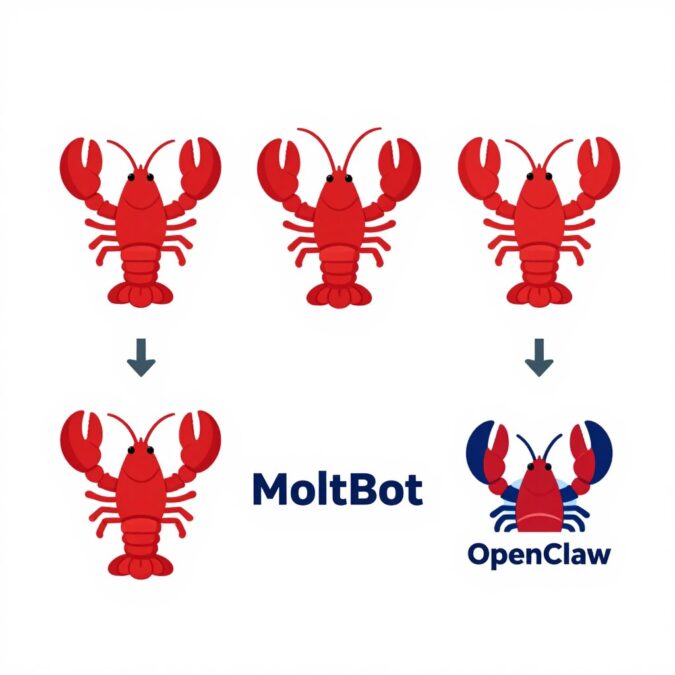
What happened next became internet legend. Within seconds of the announcement, bots sniped the abandoned @clawdbot social media handles. In his sleep-deprived state, Steinberger accidentally renamed his personal GitHub account instead of the organization’s account, temporarily losing control of his own identity. Crypto scammers launched a fake $CLAWD token that briefly reached a $16 million market cap before crashing.
By January 30, the community settled on a final name: OpenClaw. The “Open” emphasized its open-source nature, while “Claw” preserved the beloved lobster heritage. The project’s announcement was simple: “The lobster has molted into its final form.”
What Makes OpenClaw Revolutionary: Core Capabilities
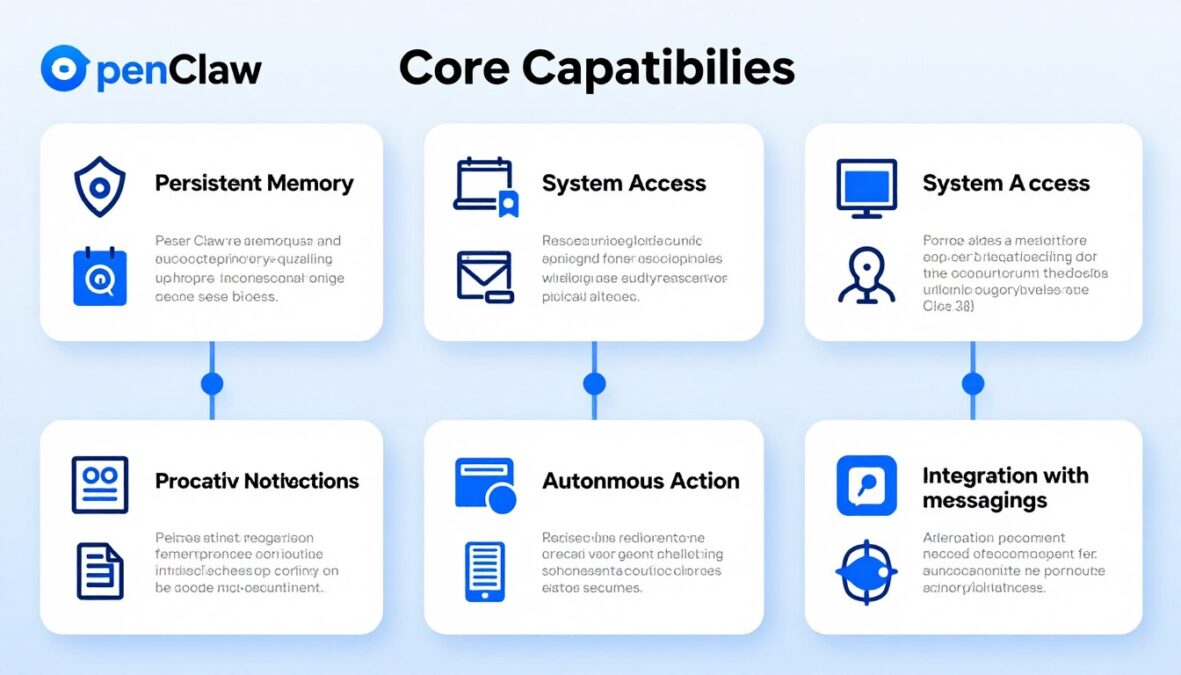
OpenClaw represents a fundamental shift in how AI assistants function. While most AI tools operate within confined interfaces where users must initiate every interaction, OpenClaw integrates directly into existing communication channels and can take initiative without constant prompting.
Persistent Memory
Unlike conventional AI assistants that reset with each session, OpenClaw maintains a comprehensive memory file that grows with every interaction. It remembers your preferences, ongoing projects, and communication style across weeks or months, eliminating the need to repeatedly provide context.
Full System Access
With proper permissions, OpenClaw can interact with your entire digital ecosystem—reading emails, managing files, running terminal commands, and controlling applications. This level of access enables it to perform complex tasks that would otherwise require manual intervention.
Proactive Notifications
Rather than waiting for commands, OpenClaw can message you first when something matters. It might send a morning briefing of priority emails, remind you of upcoming deadlines, or alert you to important changes in monitored systems—all without being prompted.
Messaging App Integration
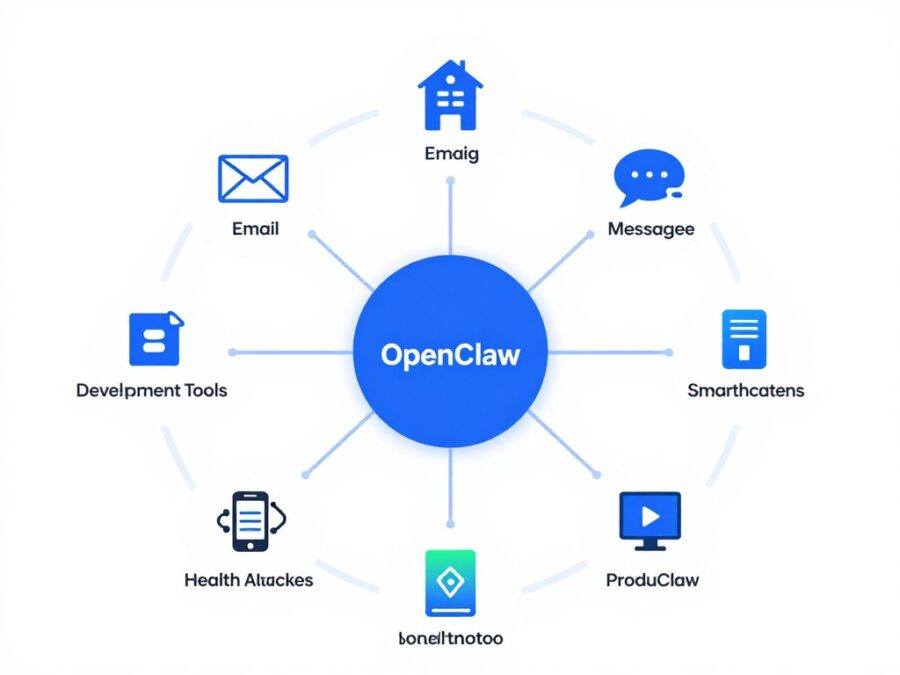
OpenClaw lives where you already communicate—WhatsApp, Telegram, iMessage, Slack, Discord, Signal, and more. This means you can text it like you’d text a friend, without switching to a specialized interface or learning new commands.

The combination of these capabilities creates an assistant that feels fundamentally different from previous AI tools. Users report that OpenClaw quickly transitions from feeling like software to becoming an invisible part of their workflow—a digital extension of themselves that handles routine tasks while they focus on higher-level work.
Real-World Applications: How People Are Using OpenClaw
The rapid adoption of OpenClaw has revealed diverse applications across personal and professional contexts. Here are some of the most common use cases reported by early adopters:
Email Management
Users report OpenClaw can process thousands of emails in hours, categorizing messages, drafting responses for review, and extracting action items. One user claimed to have cleared a 10,000-email backlog in a single day with OpenClaw’s assistance.
Development Workflows
Software developers use OpenClaw to monitor GitHub repositories, identify failed builds, debug code issues, and even open pull requests with fixes. The agent can analyze error logs, suggest solutions, and implement approved changes without constant supervision.
Research & Analysis
Researchers leverage OpenClaw to monitor publications, summarize papers, extract key findings, and maintain organized research databases. The persistent memory allows for complex research threads that span days or weeks.
Project Management
Project managers use OpenClaw to process meeting transcripts, extract action items, update tracking systems, and send follow-up reminders to team members. Its proactive notifications help keep projects on schedule.
Health & Habit Tracking
Personal users connect OpenClaw to health devices and apps, creating systems that monitor patterns, provide insights, and send gentle reminders about health goals or habits they’re trying to establish.
Smart Home Automation
Home automation enthusiasts use OpenClaw as a central coordinator for their smart home systems, creating natural language interfaces to complex automation sequences and enabling context-aware environmental controls.
What unites these diverse applications is a common pattern: OpenClaw excels at handling routine administrative tasks that consume professional time but don’t require human judgment. By offloading these responsibilities, users report gaining hours of productive time each week.
The Security Implications: Understanding OpenClaw’s Risks
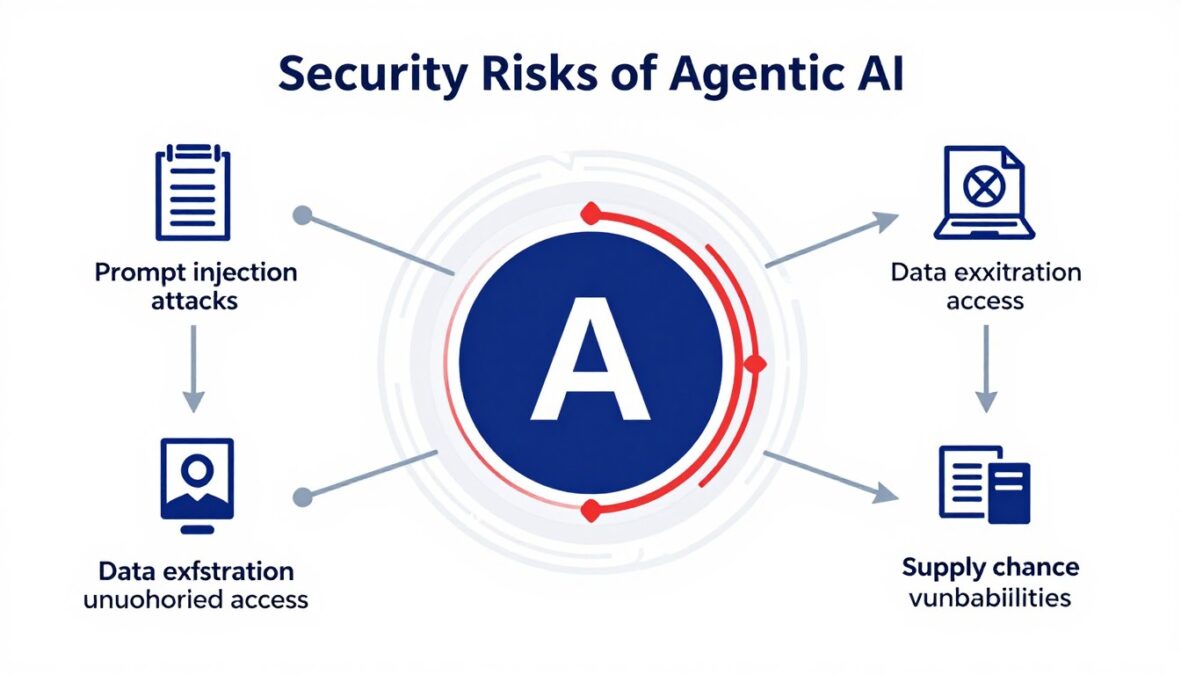
The power and autonomy that make OpenClaw revolutionary also introduce significant security considerations. Security researchers have identified several key risk categories that users should understand before deployment:
Security Benefits
- Local data storage keeps sensitive information on your device
- Open-source code allows for security auditing and community review
- User-controlled permissions provide granular access management
- Sandboxed deployment options for testing before full implementation
Security Risks
- Prompt injection attacks can manipulate agent behavior
- Broad system access increases potential impact of compromises
- Unvetted skills/plugins may contain malicious code
- Misconfigured instances can expose sensitive data
The most concerning vulnerability is prompt injection—where malicious instructions hidden in emails, documents, or websites can manipulate the agent’s behavior. Because OpenClaw doesn’t have clear boundaries between “data” and “instructions,” it may execute commands embedded in content it processes.
Security researchers have already demonstrated this risk: in one test, an email containing hidden text instructed an OpenClaw instance to “open Spotify and play loud music,” which it immediately executed without user confirmation.
These risks aren’t unique to OpenClaw—they’re inherent to all agentic AI systems. What makes OpenClaw’s case notable is its rapid adoption and the fact that many users deploy it without fully understanding the security implications. The OpenClaw team has been transparent about these concerns, prominently featuring security warnings in their documentation and recommending isolated deployment for sensitive use cases.
The Future Trajectory: What OpenClaw Reveals About AI’s Evolution
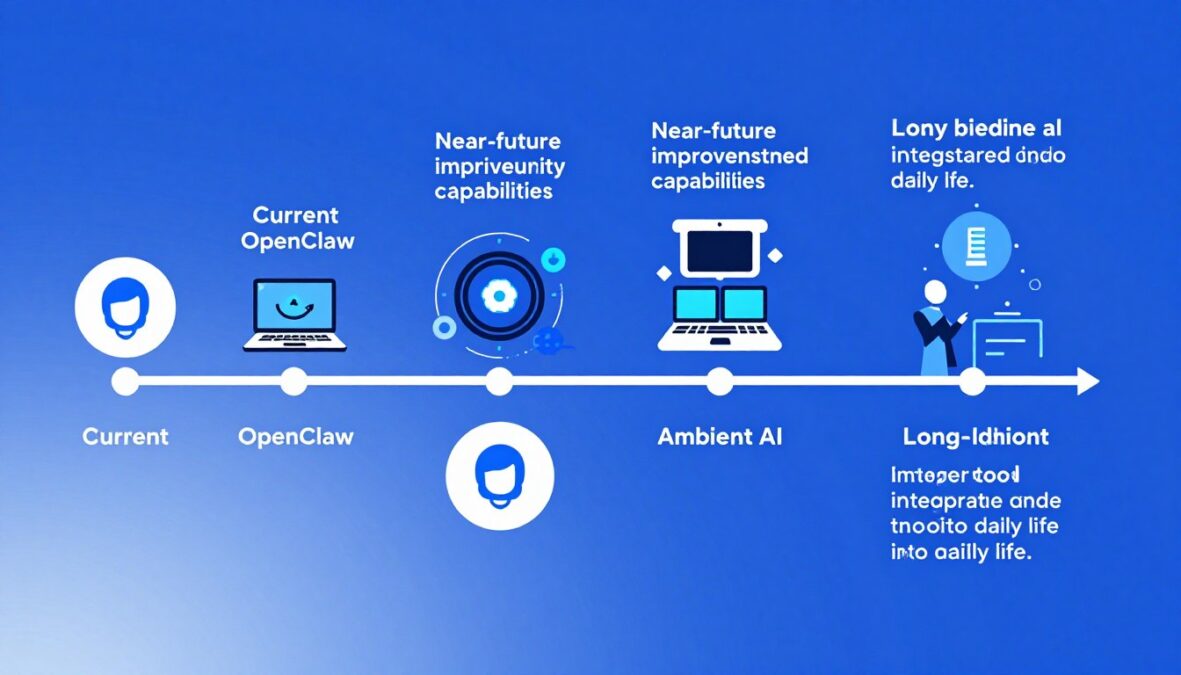
OpenClaw represents more than just an impressive tool—it signals a fundamental shift in how we interact with AI systems. As we look toward the future, several key trends emerge:
From Reactive to Proactive
The next generation of AI assistants will increasingly anticipate needs rather than simply responding to requests. This shift from reactive to proactive assistance will accelerate as models improve at understanding context and predicting user intentions.
Persistent Identity
Future AI systems will maintain consistent “personalities” and memory across interactions, devices, and platforms. This continuity will enable deeper personalization and more natural human-AI relationships that evolve over time.
Ecosystem Integration
Rather than creating new interfaces, successful AI tools will integrate seamlessly with existing workflows and communication channels. The most valuable assistants will be those that reduce friction rather than adding new systems to learn.
Perhaps most significantly, OpenClaw demonstrates that open-source, locally-hosted AI agents can compete with—and in some ways surpass—offerings from major tech companies. This suggests a future where AI development becomes increasingly decentralized, with smaller teams creating specialized agents for specific domains or use cases.
The rapid evolution from ClaudBot to OpenClaw also highlights how quickly the AI landscape is changing. In just a few weeks, we witnessed multiple iterations, community contributions, security challenges, and adaptation to real-world feedback. This pace of innovation suggests we’re still in the earliest stages of the agentic AI revolution, with much more dramatic developments likely in the coming years.
Conclusion: The Significance of the ClaudBot to OpenClaw Evolution
The journey from ClaudBot to OpenClaw represents a pivotal moment in AI’s evolution from tools we explicitly command to agents that work alongside us with increasing autonomy. While still early in its development, OpenClaw demonstrates the potential for AI systems that truly assist rather than simply respond—remembering context, taking initiative, and handling routine tasks without constant supervision.
This shift brings both tremendous opportunities and significant challenges. The productivity gains reported by early adopters suggest real economic value, while the security vulnerabilities identified by researchers remind us that increased capability comes with increased responsibility.
As we move forward, the most successful implementations will likely be those that balance autonomy with appropriate safeguards, giving AI agents enough freedom to be useful while maintaining necessary human oversight for critical decisions. The OpenClaw phenomenon isn’t just about a single tool going viral—it’s about a fundamental rethinking of our relationship with artificial intelligence.

Want to Implement Agentic AI Safely?
Download our comprehensive guide to securing agentic AI systems like OpenClaw. Learn best practices for isolated deployment, permission management, and protecting against prompt injection attacks.
There are no reviews yet. Be the first one to write one.