
Building web apps traditionally requires months of development work and a team of skilled developers. Lovable AI promises to change this equation entirely. This AI-powered platform lets you create functional web applications through natural language prompts. Simply describe what you want to build, and Lovable generates working code.
The platform has evolved significantly since its launch. In 2026, Lovable AI stands as one of the most capable AI development tools available. But does it live up to the hype? This comprehensive review examines every aspect of Lovable AI to help you decide if it’s the right tool for your projects.
We’ve spent extensive time testing Lovable AI across various project types. From simple landing pages to complex web apps with backend logic, we’ve pushed this platform to its limits. This review shares our real-world experience with the tool’s features, pricing, performance, and practical applications.
What Is Lovable AI and How Does It Work?
Lovable AI is a prompt-based development platform that transforms natural language descriptions into functional web applications. The system uses advanced AI models to interpret your requirements and generate production-ready code. Unlike traditional no-code builders with drag-and-drop interfaces, Lovable works conversationally.
The platform handles both frontend and backend development. You can create user interfaces, implement business logic, set up databases, and integrate third-party services. All through text prompts. The AI understands context from previous messages, allowing iterative refinement of your project.
Each project begins with a simple description. You might write “Create a task management app with user authentication.” Lovable processes this prompt and generates the initial version. From there, you refine features by requesting specific changes. The system maintains your project’s codebase while implementing updates.
The Technology Behind Lovable
Lovable AI leverages large language models specifically trained for code generation. The platform doesn’t just generate random code snippets. It creates structured, maintainable applications following best practices. The AI understands modern web development frameworks, design patterns, and coding standards.
The system supports multiple programming languages and frameworks. React powers most frontend projects. The backend can use Node.js with various database options. Lovable handles the entire technology stack, from UI components to API endpoints to database schemas.
Key Insight: Lovable AI differs from code assistants like GitHub Copilot. While Copilot helps developers write code faster, Lovable builds entire applications from scratch. You don’t need coding knowledge to use Lovable effectively.
Who Should Use Lovable AI?
The platform excels at rapid prototyping and MVP development. If you need to validate an idea quickly, Lovable helps you build a working version in hours instead of weeks. For production applications, the tool works best for projects with moderate complexity.
Key Features and Capabilities in 2026
Prompt-Based Development Interface
The core of Lovable AI is its conversational development approach. You describe features in plain English, and the platform interprets your intent. The AI handles technical implementation details automatically. This approach removes the barrier between having an idea and building it.
The prompt system has improved dramatically in 2026. The AI now understands complex, multi-step requirements. You can describe entire user flows in a single prompt. The system breaks down your requirements and implements all necessary components.
Prompts can be simple or detailed. A basic prompt might say “Add a contact form.” A detailed prompt could specify field types, validation rules, email notifications, and database storage. Both work, but detailed prompts produce more accurate results.
The editor includes a chat history showing all your prompts and the AI’s responses. You can reference previous conversations when requesting changes. This context awareness makes iterative development smooth and efficient.
Prompting Best Practices: Be specific about desired functionality, mention any design preferences, specify user interactions clearly, and reference existing components when adding features.
Real-Time Code Generation and Preview
Lovable generates code instantly as you submit prompts. The platform shows a live preview of your app alongside the development interface. Changes appear in real-time, letting you see exactly what you’re building as you build it.
The preview is fully interactive. You can click buttons, fill forms, navigate between pages, and test all functionality. This immediate feedback helps identify issues early. You can refine features before moving forward with additional development.
Full-Stack Application Development
Lovable AI handles complete application development. The platform creates frontend interfaces, implements backend logic, sets up databases, and manages API integrations. You’re not limited to simple landing pages or static sites.
Frontend development uses modern React components. The AI creates responsive designs that work across devices. It implements state management, routing, and complex UI interactions. The generated code follows React best practices and includes proper component structure.
Backend capabilities include user authentication, database operations, API endpoints, and business logic. Lovable sets up everything needed for a functional web app. The platform handles server configuration, database connections, and deployment settings automatically.
Database and Data Management
Projects can include database functionality through simple prompts. Request “Add a database to store user profiles” and Lovable creates the schema, sets up connections, and implements CRUD operations. The system supports PostgreSQL and other database options.
Data modeling happens through conversation. Describe the information you need to store, and Lovable designs an appropriate database structure. The AI creates tables, defines relationships, and sets up indexes for optimal performance.
Integration Capabilities
Lovable AI connects with external services and APIs. You can integrate payment processing, email services, authentication providers, and third-party APIs. The platform handles API authentication, request formatting, and error handling.
Integration setup is prompt-based like everything else. Specify which service you want to connect, and Lovable generates the necessary code. You’ll need to provide API keys and credentials, but the platform handles technical implementation.
Code Export and Version Control
Every project you build in Lovable can be exported. The platform generates clean, readable code that developers can modify outside the platform. This flexibility ensures you’re never locked into the tool. Your code belongs to you.
The exported codebase is well-structured and documented. Lovable organizes files logically, follows naming conventions, and includes comments explaining key sections. A developer familiar with React can easily understand and modify the generated code.
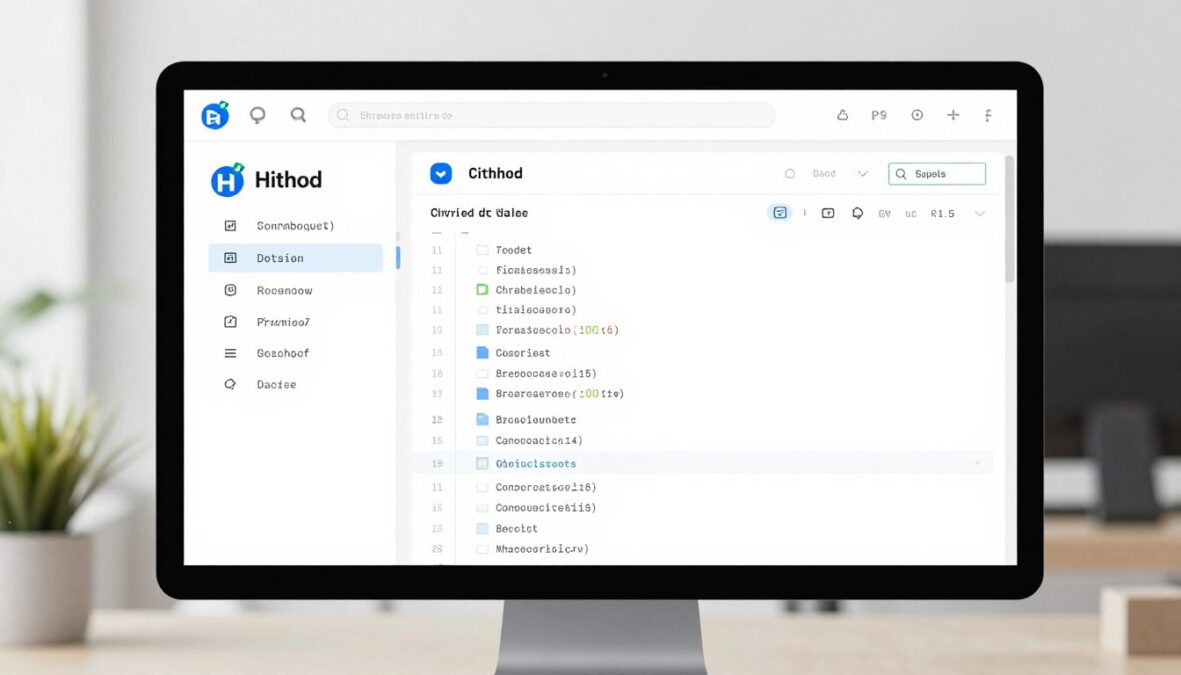
Version control integration allows direct deployment to GitHub. Push your Lovable project to a repository, where your development team can collaborate using standard Git workflows. This bridges the gap between AI-generated apps and traditional development processes.
Collaboration Features for Teams
Team plans enable multiple users to work on projects together. Team members can view project history, submit their own prompts, and track changes. This collaboration approach works well for product teams iterating on MVPs.
The platform maintains a complete audit trail. Every prompt, code change, and modification is logged. Team leads can review how the project evolved and understand decision-making throughout development. This transparency helps teams work efficiently.
Ready to Build Your First App?
Experience Lovable AI’s powerful features firsthand. Start with a free account and create your first web app using natural language prompts. No credit card required.
User Experience and Interface Design
Intuitive Workspace Layout
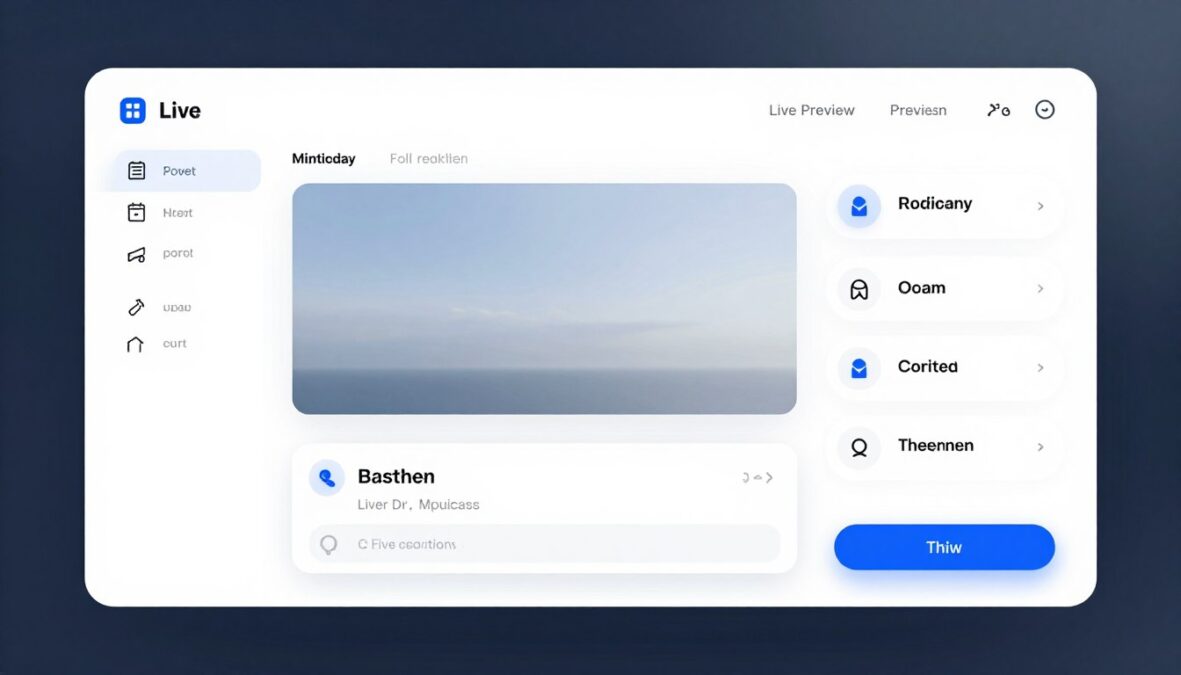
The Lovable AI interface prioritizes simplicity. When you open a project, you see three main areas: the prompt editor, the code view, and the live preview. This layout keeps everything you need visible without clutter.
The prompt editor sits prominently at the bottom. It resembles a messaging app, making the interaction feel natural. Type your request, press enter, and watch Lovable work. Previous prompts stack above, creating a conversation history you can reference.
Navigation between projects is straightforward. A sidebar lists all your apps with thumbnails and last-modified dates. Opening a project loads instantly, even for complex applications. The system handles resource management efficiently, ensuring smooth performance.
Learning Curve and Onboarding
New users need minimal training to start building with Lovable. The platform includes an interactive tutorial that walks through creating your first app. Within 15 minutes, most users successfully build and deploy a simple application.
The AI provides helpful suggestions when you’re stuck. If a prompt is unclear, Lovable asks clarifying questions rather than generating incorrect code. This guidance helps users learn effective prompting techniques organically.
Documentation has expanded significantly in 2026. The knowledge base covers common use cases, prompt examples, and troubleshooting guides. Video tutorials demonstrate building specific app types from start to finish.
Community resources supplement official documentation. The Lovable user community shares prompt templates, project examples, and best practices. This collaborative environment accelerates learning for new platform users.
Development Workflow Efficiency
Working with Lovable feels remarkably fast compared to traditional development. The cycle of request, generation, review, and refinement takes seconds instead of hours. This speed enables rapid experimentation and iteration.
The platform handles routine tasks automatically. Creating responsive layouts, implementing form validation, setting up routing—tasks that normally require significant time happen instantly. Developers can focus on unique features rather than boilerplate code.
Error handling has improved substantially. When Lovable encounters issues with a prompt, it explains the problem clearly and suggests alternatives. The AI rarely generates broken code, and when it does, fixes are quick.
Mobile Responsiveness and Cross-Platform Testing
All apps generated by Lovable are mobile-responsive by default. The AI creates layouts that adapt to different screen sizes automatically. You can preview how your app looks on desktop, tablet, and mobile devices within the editor.
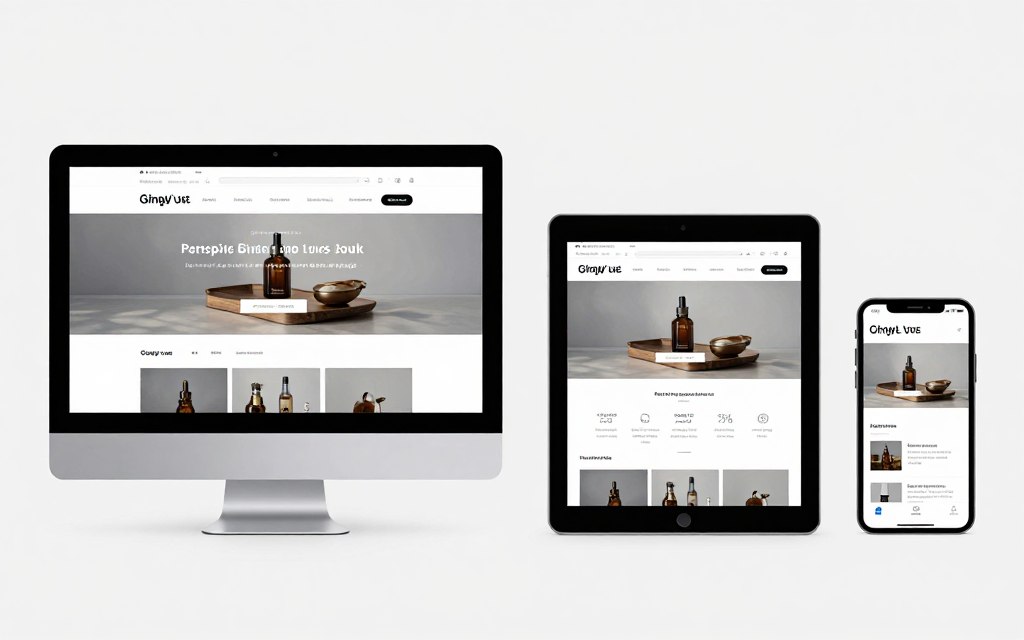
The preview panel includes device emulation. Switch between screen sizes to test your app’s appearance across platforms. This real-time testing catches layout issues before deployment, ensuring users have a consistent experience.
Customization and Design Control
While Lovable generates designs automatically, you maintain full creative control. Request specific color schemes, fonts, or layout styles through prompts. The AI interprets design instructions and applies them consistently across your app.
The platform supports custom branding. Upload your logo, specify brand colors, and define typography preferences. Lovable incorporates these elements into generated designs, ensuring your app matches your brand identity.
Advanced users can access and modify the generated CSS directly. This flexibility allows pixel-perfect design adjustments when needed. The code view shows all styling, making it easy to understand how Lovable implemented your design requests.
Pricing Structure and Value Analysis
Free Plan Overview
Lovable offers a free tier that lets you explore the platform’s capabilities. The free plan includes access to core features, allowing you to build and test projects. This no-cost option is ideal for evaluating whether Lovable fits your needs.
Free users get limited credits each month. These credits are consumed when generating code or making significant project changes. For small projects or occasional use, the free tier provides sufficient resources to build functional apps.
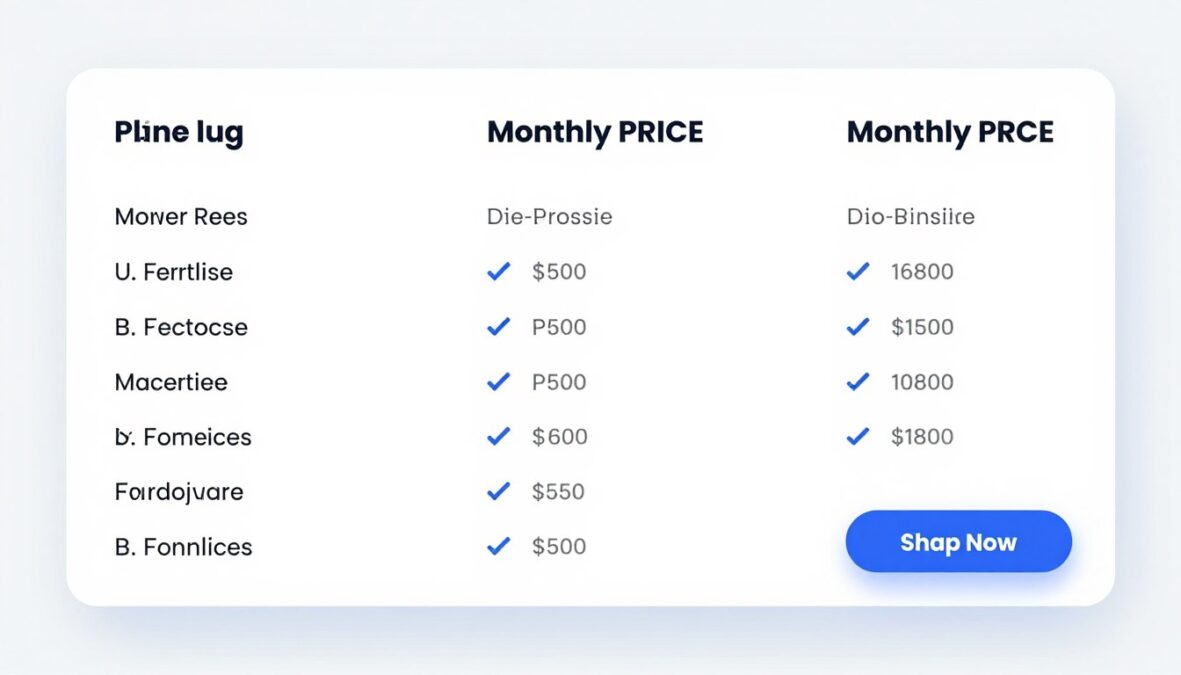
| Feature | Free Plan | Pro Plan | Teams Plan |
| Monthly Credits | 500 credits | 5,000 credits | Unlimited |
| Active Projects | 3 projects | Unlimited | Unlimited |
| Code Export | Limited | Full access | Full access |
| Custom Domain | No | Yes | Yes |
| Team Collaboration | No | No | Up to 10 users |
| Priority Support | No | Email support | Dedicated support |
| API Access | No | Yes | Yes |
Paid Plans and Professional Features
The Pro plan costs $29 per month and removes most limitations. You get significantly more credits, unlimited projects, and full code export capabilities. This plan targets individual developers and solopreneurs building multiple apps.
Pro users access advanced features like custom domain hosting and enhanced integration options. The plan includes priority email support, ensuring faster response times for technical questions. For serious users, the Pro plan delivers excellent value.
Teams plan starts at $99 per month for organizations. This tier supports multiple team members working on shared projects. The plan includes collaboration tools, admin controls, and dedicated support channels. Larger teams can negotiate custom pricing for additional users.
Credit System Explained
Lovable uses a credit-based pricing model. Different operations consume varying amounts of credits. Generating a new component might use 50 credits, while creating an entire app from scratch could use 500 credits.
The system is designed to be generous. Most users on paid plans rarely exhaust their monthly credit allocation. The platform displays your remaining credit balance prominently, helping you track usage and avoid unexpected limitations.
Credit Efficiency Tip: Detailed, specific prompts generate better results on the first attempt, saving credits. Vague prompts often require follow-up messages to achieve desired outcomes, consuming more credits overall.
Cost Comparison with Alternative Development Methods
Comparing Lovable’s pricing to traditional development reveals significant savings. Hiring a developer costs $50-150 per hour in the United States. Building a moderate web app traditionally requires 40-100 hours, totaling $2,000-15,000.
With Lovable, the same app can be built in hours for the cost of a monthly subscription. Even the Teams plan at $99 per month is a fraction of one hour of developer time. For startups and small businesses, this cost efficiency is transformative.
Other no-code platforms have comparable pricing, but most charge based on app visitors or usage. Lovable’s flat subscription model provides predictable costs. You won’t face surprise bills if your app gains traction.
The value proposition is strongest for MVP development and prototyping. Getting to market quickly with minimal investment helps validate ideas before committing significant resources. Lovable excels in this use case.
ROI Consideration: If Lovable saves you even 10 hours of development time per month, the Pro plan pays for itself many times over. For teams, the savings multiply dramatically.
Explore Pricing Options
Find the perfect plan for your development needs. Compare features across all tiers and start with a free account to test the platform before committing.
Advantages and Limitations of Lovable AI

Advantages
- Dramatically reduces app development time from weeks to hours
- Eliminates need for extensive coding knowledge or technical expertise
- Provides full code ownership with unrestricted export capabilities
- Generates production-ready, maintainable code following best practices
- Offers cost-effective alternative to hiring development teams
- Enables rapid prototyping and MVP validation for startups
- Includes real-time preview for immediate feedback during development
- Supports full-stack applications including backend and database
- Integrates with popular third-party services and APIs seamlessly
- Provides excellent documentation and active community support
- Updates regularly with new features and AI model improvements
- Works well for both technical and non-technical users
Limitations
- Complex enterprise applications may exceed platform capabilities
- AI-generated code occasionally requires manual debugging and refinement
- Credit limitations on lower-tier plans restrict project development
- Learning effective prompting techniques takes practice and experimentation
- Backend customization options are more limited than frontend
- May struggle with highly specialized or niche requirements
- Generated designs, while functional, sometimes lack unique creativity
- Platform dependency creates concern for long-term project sustainability
- Limited control over specific code implementation details
- Performance optimization requires manual intervention in some cases
Detailed Analysis of Key Strengths
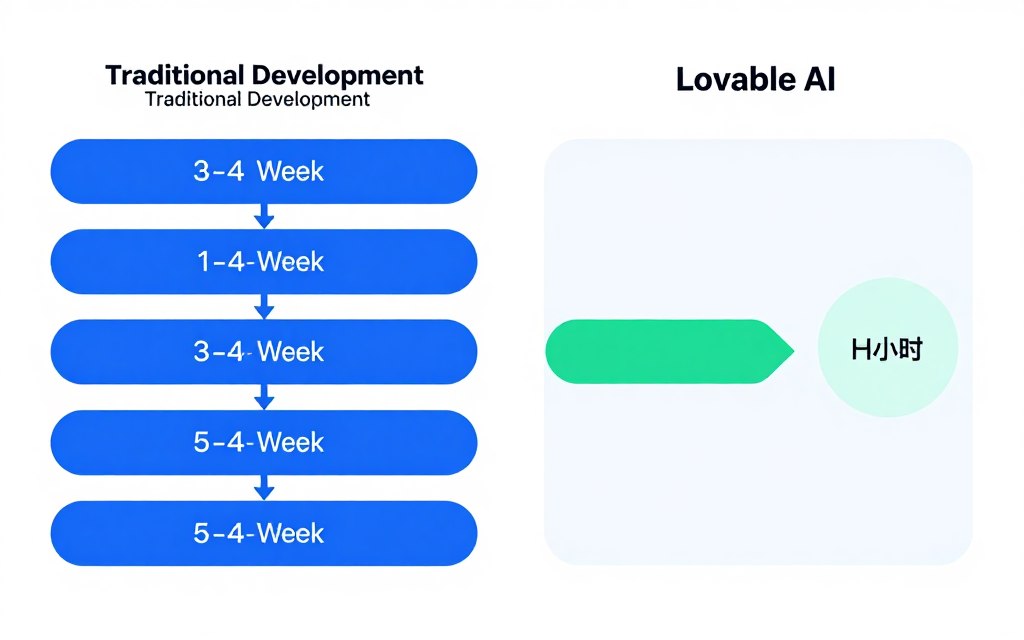
The speed advantage Lovable provides cannot be overstated. Traditional development involves writing code, testing, debugging, and iterating over days or weeks. Lovable compresses this timeline dramatically. What would take a developer a full workday can be accomplished in 30 minutes.
This time savings compounds across a project. Building a landing page, setting up authentication, creating a dashboard, implementing forms—each task that normally requires hours happens in minutes. For entrepreneurs testing multiple ideas, this acceleration is invaluable.
The accessibility factor democratizes app development. Non-technical founders can now build their own MVPs without relying on technical co-founders or expensive agencies. This independence accelerates innovation and reduces barriers to entrepreneurship.
Code quality from Lovable has improved significantly. The generated code is structured logically, uses modern patterns, and includes helpful comments. Developers reviewing AI-generated code report that it’s surprisingly maintainable and professional.
Understanding the Limitations
Lovable works best for standard web applications. If your project requires highly specialized functionality or cutting-edge features, the platform may struggle. The AI’s knowledge is based on common patterns and established practices.
Complex business logic sometimes requires multiple refinement iterations. The AI might not capture all edge cases or error scenarios on the first try. Users need to test thoroughly and request corrections for specific situations.
The platform’s credit system can feel restrictive for power users on lower-tier plans. Ambitious projects with frequent changes may consume credits quickly. This limitation pushes serious users toward paid plans earlier than they might prefer.
Important Consideration: While Lovable accelerates development, it doesn’t replace careful planning and requirements definition. Clear project specifications lead to better AI-generated results.
Lovable AI vs. Competitors: How It Stacks Up
Lovable AI vs. Traditional No-Code Builders
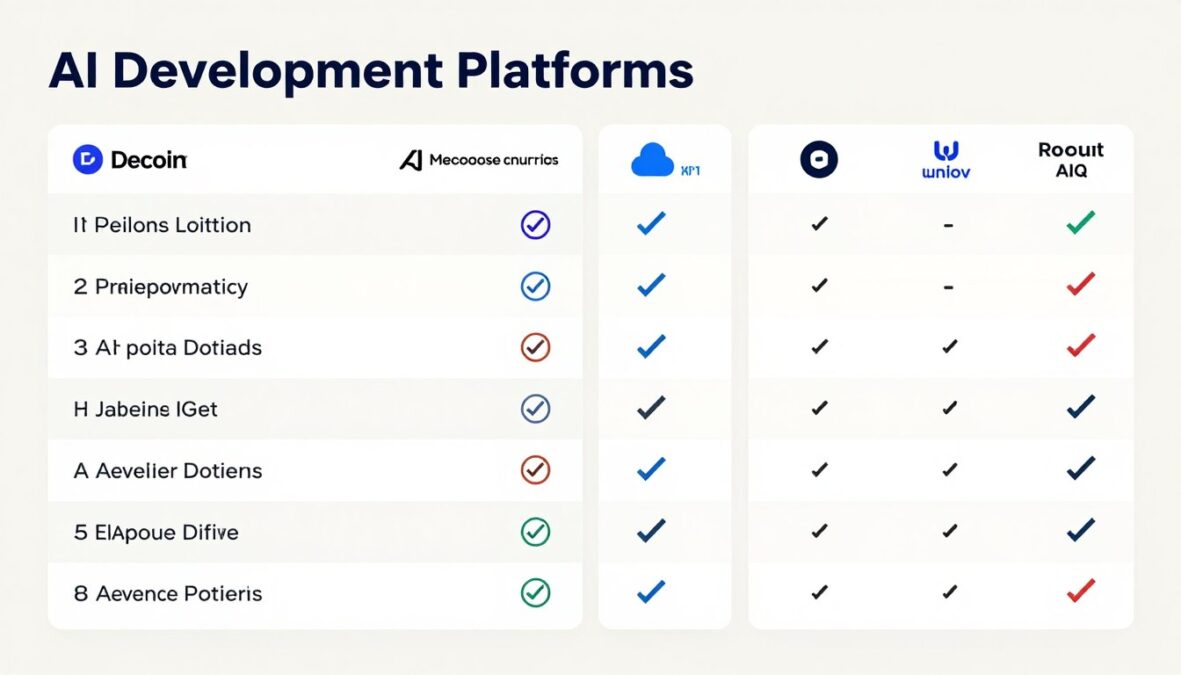
Platforms like Webflow, Bubble, and Wix represent the established no-code category. These tools use visual drag-and-drop interfaces rather than AI prompts. The fundamental interaction model differs significantly from Lovable’s approach.
Traditional no-code builders offer more granular design control. You can position every element precisely, adjust styling in detail, and see exactly what you’re creating as you build. This precision appeals to users who want specific visual outcomes.
However, traditional no-code tools have steeper learning curves. Users must understand each builder’s specific interface, component system, and workflow logic. Creating complex functionality requires mastering the platform’s capabilities thoroughly.
Lovable’s prompt-based approach is more intuitive for quick projects. Describe what you want, and it appears. For users prioritizing speed over pixel-perfect control, this method is superior.
Lovable AI vs. Other AI Coding Assistants
GitHub Copilot, Cursor, and similar AI coding tools assist developers but require coding knowledge. These tools complete code snippets, suggest implementations, and help debug issues. They augment developer capabilities rather than replacing them.
Lovable targets a different user segment. You don’t need to understand programming to use Lovable effectively. The platform handles all technical aspects, making it accessible to non-developers. Coding assistants remain tools for those who already code.
For developers, these tools serve different purposes. Use Copilot when writing custom code for specialized requirements. Use Lovable when building standard web apps quickly without manual coding. The tools complement rather than compete with each other.
Lovable AI vs. v0 by Vercel
v0 by Vercel is perhaps Lovable’s closest competitor. Both platforms use AI to generate web applications from text prompts. Both target rapid development and export clean code. The comparison between them is nuanced.
v0 excels at component-level generation. It creates beautiful, polished UI components with excellent design quality. The platform integrates seamlessly with the Vercel deployment ecosystem. For developers building within the Vercel stack, v0 is compelling.
- Full-stack application support including backend and database
- More comprehensive project management and iteration capabilities
- Better suited for complete applications rather than components
- Generous free tier for testing and learning
- Platform-agnostic deployment options
Lovable AI Strengths
- Superior UI design quality and aesthetic polish
- Tighter integration with Next.js and Vercel ecosystem
- More focused on frontend component generation
- Stronger emphasis on responsive design patterns
- Excellent for design system development
v0 by Vercel Strengths
Lovable handles backend logic and database integration more comprehensively. If your project requires user authentication, data persistence, or API endpoints, Lovable provides more complete support. v0 focuses primarily on frontend components.
Lovable AI vs. Replit Agent
Replit Agent brings AI coding capabilities to the Replit development environment. The tool assists with coding tasks within Replit’s online IDE. It supports multiple programming languages and development workflows.
Replit Agent targets developers comfortable with traditional coding workflows. You still write and manage code directly, but the AI helps accelerate development. Lovable abstracts away the coding entirely, making it more accessible to non-developers.
Both platforms offer collaborative features and cloud-based development. Replit provides a more comprehensive IDE experience with terminals, package management, and debugging tools. Lovable simplifies the interface to focus on prompt-based creation.
Choosing the Right Tool for Your Needs
No single tool is universally best. Lovable excels at rapid full-stack development for standard web applications. For specialized requirements or unique projects, traditional development or specialized tools may be more appropriate.
See How Lovable Compares in Action
Experience the difference yourself. Try building the same project in Lovable and compare the speed and ease versus other tools. Start free and test the platform’s capabilities.
Performance, Accuracy, and Code Quality
Code Generation Accuracy
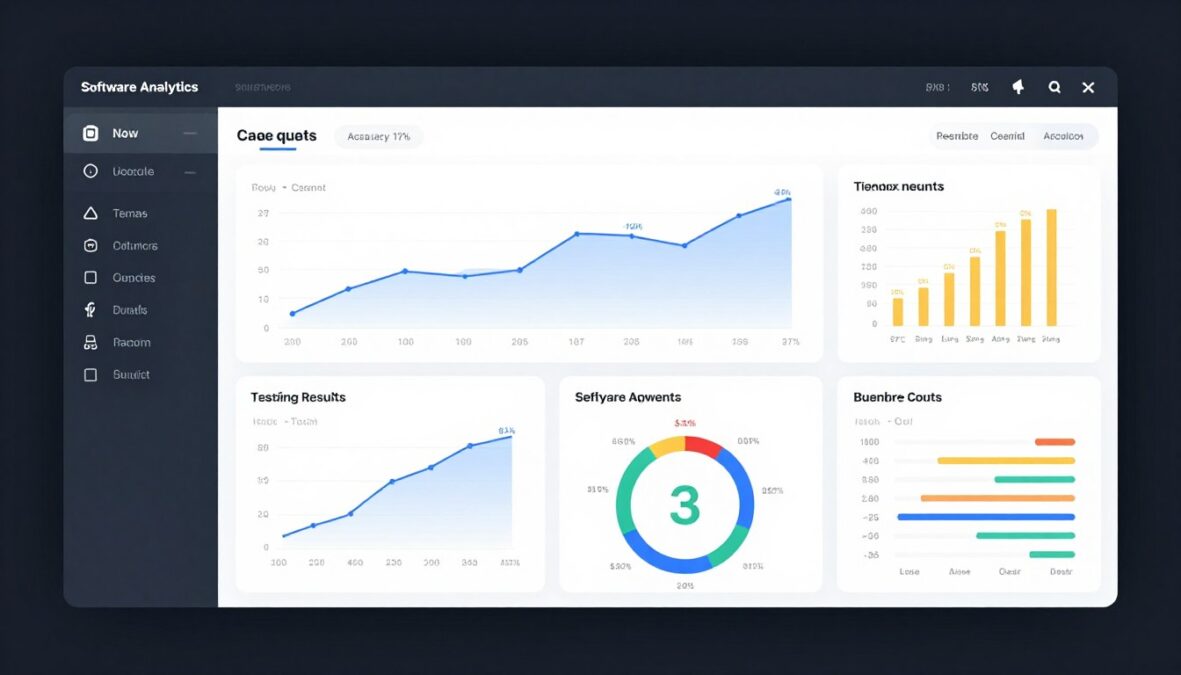
Lovable’s AI generates accurate, functional code approximately 85-90% of the time on the first attempt. This success rate applies to common features and standard implementations. More complex or unusual requests may require refinement.
The accuracy has improved substantially since the platform launched. In 2026, Lovable better understands context, handles edge cases more reliably, and makes fewer logical errors. The AI’s training includes millions of code examples and best practices.
When code doesn’t work perfectly initially, fixes are usually quick. Describe the issue in a follow-up prompt, and Lovable corrects the problem. This iterative refinement process feels natural and efficient.
Application Performance and Optimization
Apps built with Lovable perform well for standard use cases. The generated code includes reasonable optimizations like code splitting, lazy loading, and efficient state management. Page load times are comparable to hand-coded applications.
For high-traffic applications, some manual optimization may be necessary. Lovable generates functional code but doesn’t always implement advanced performance techniques. Experienced developers can export the code and optimize critical paths.
Security Considerations
Lovable implements basic security best practices automatically. User authentication includes password hashing, the platform prevents common vulnerabilities like SQL injection, and generated API endpoints include basic authorization checks.
For applications handling sensitive data or requiring compliance with regulations, additional security hardening is recommended. Export the code and conduct a security audit. Implement additional measures like rate limiting, advanced encryption, or specialized compliance features.
Security Note: Always review security implementations for production applications, especially those handling personal data, financial information, or operating in regulated industries.
Scalability and Production Readiness
Apps built with Lovable can handle moderate traffic levels without issues. The generated architecture supports standard scaling approaches. Deploy to platforms like Vercel, Netlify, or AWS, and scale horizontally as needed.
For high-scale applications expecting millions of users, architectural review is essential. Lovable creates solid foundations, but massive-scale systems require specialized optimization, caching strategies, and infrastructure design that goes beyond the platform’s scope.
The platform works best for MVPs, internal tools, small-to-medium business applications, and prototypes. These use cases represent the vast majority of web app needs. For these scenarios, Lovable delivers production-ready results.
Database performance is reasonable for typical applications. Lovable sets up appropriate indexes and relationships. For complex queries or large datasets, database optimization may be necessary.
Code Maintainability
The code Lovable generates is surprisingly maintainable. Components are organized logically, naming conventions are consistent, and the structure follows React best practices. Developers can understand and modify the code without extensive reverse-engineering.
Comments appear throughout the generated code explaining key sections. This documentation helps both AI refinement and human modification. The code reads similarly to what an experienced developer would write.
Long-term maintenance is feasible with Lovable-generated apps. Export the code at any time and maintain it using standard development tools and workflows. You’re not locked into the platform for ongoing development.
Customer Support and Community Resources
Official Support Channels
Lovable provides tiered support based on subscription level. Free users access documentation and community forums. Pro plan subscribers get email support with responses typically within 24 hours. Teams plan members receive priority support with faster response times.
The support team demonstrates strong technical knowledge. Responses include specific guidance, example prompts, and sometimes custom solutions for unique problems. The quality of support justifies the paid plan costs for serious users.
In-app support features help users without leaving their projects. A help widget provides contextual assistance based on what you’re working on. This integrated approach reduces friction when you need quick answers.
Documentation and Learning Resources
The official documentation covers all platform features comprehensively. Articles explain concepts clearly with visual examples and code snippets. The docs are well-organized, searchable, and regularly updated with new content.
Video tutorials help visual learners understand the platform. These recordings walk through building complete applications from start to finish. Following along helps internalize effective workflows and prompting strategies.
Community and Peer Support
The Lovable community has grown significantly in 2026. Thousands of users share projects, templates, and prompt strategies. This peer knowledge accelerates learning and problem-solving for newcomers.
Community forums host discussions about best practices, feature requests, and project showcases. Users help each other troubleshoot issues and share creative solutions. The community culture is supportive and collaborative.
Discord channels provide real-time communication with other users. These channels are active with discussions, questions, and announcements. The informal environment encourages experimentation and knowledge sharing.
Response Time and Issue Resolution
Support response times vary by plan level. Free users report responses to community questions within a few hours from other users. Pro plan email support typically responds within 12-24 hours. Teams plan priority support often responds within 2-4 hours.
Issue resolution speed depends on complexity. Simple questions get answered immediately. Technical problems requiring investigation take longer but are handled thoroughly. The team follows up to ensure problems are completely resolved.
Support Quality: User satisfaction with Lovable’s support is consistently high. The combination of responsive official support and helpful community creates a strong support ecosystem.
New Updates and Features Introduced in 2026
Enhanced AI Model Capabilities
Lovable upgraded its underlying AI model in early 2026. The new version understands more complex requirements and generates more sophisticated code. Projects that previously required multiple refinement iterations now work correctly on the first attempt more frequently.
The updated model better handles context across long conversations. You can work on a project over multiple sessions without losing continuity. The AI remembers previous decisions and maintains consistency throughout development.
Natural language understanding has improved significantly. The AI interprets vague or informal prompts more accurately. You can describe features casually without using technical terminology, and Lovable understands your intent.
Advanced Backend Capabilities
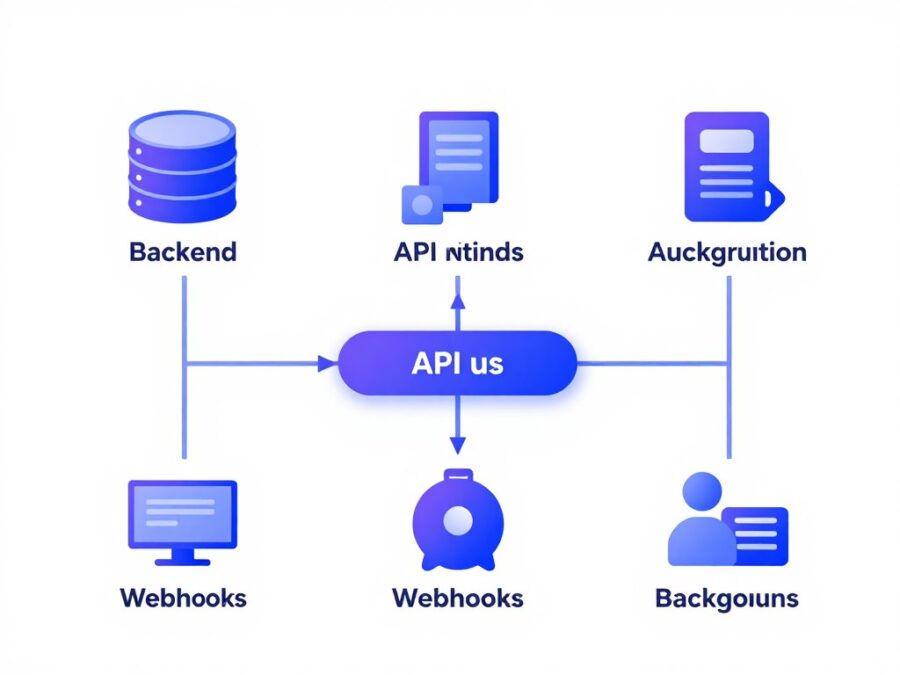
Backend development received major enhancements in 2026. Lovable now supports more complex server logic, background jobs, scheduled tasks, and advanced database operations. These capabilities expand the platform’s usefulness for sophisticated applications.
New backend features include webhook handling, third-party API integration management, custom authentication flows, and real-time data synchronization. These additions bridge the gap between simple apps and enterprise-grade systems.
Database functionality expanded with support for advanced queries, data relationships, migration management, and performance optimization. Lovable can now handle more complex data models than previously possible.
Improved Collaboration Tools
Team collaboration features expanded substantially. Multiple team members can now work on the same project simultaneously. Changes sync in real-time, preventing conflicts and enabling true collaborative development.
The platform added role-based access controls. Team admins can set permissions for different members, controlling who can edit code, modify settings, or deploy applications. This governance capability makes Lovable suitable for larger organizations.
Version history and rollback functionality help teams manage projects safely. View any previous version of your project and restore it if needed. This safety net encourages experimentation without fear of breaking working functionality.
Integration Ecosystem Expansion
Lovable significantly expanded its integration library in 2026. The platform now connects with over 100 third-party services out of the box. Integration setup requires minimal configuration, accelerating development time for apps needing external services.
Each integration includes documentation and example prompts. The platform handles authentication, error handling, and rate limiting automatically. You focus on what data to send or retrieve, not implementation details.
Enhanced Mobile Responsiveness
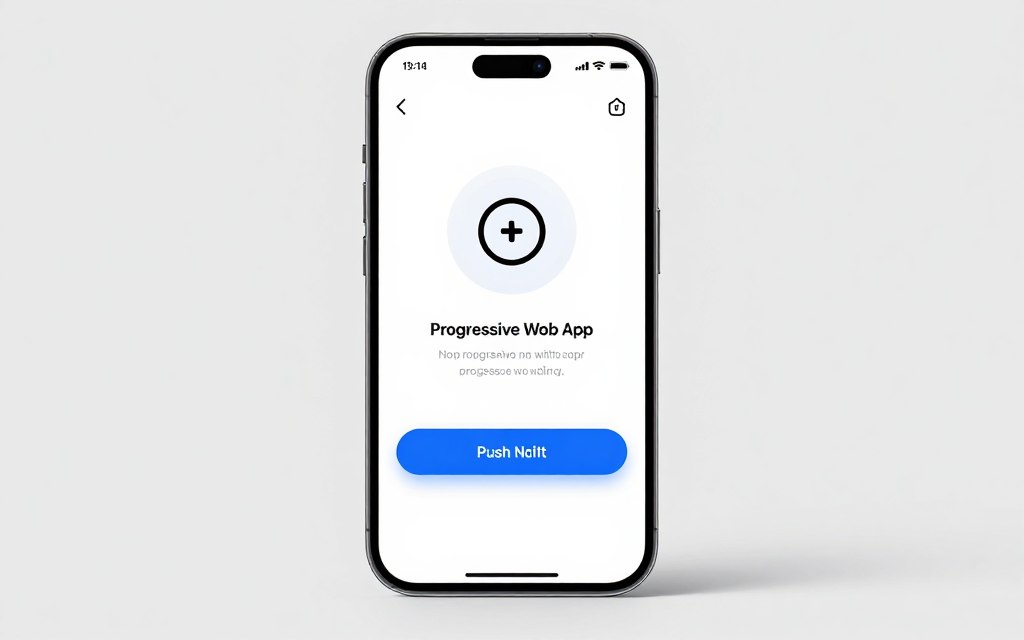
Mobile development capabilities improved dramatically. Lovable now generates Progressive Web Apps (PWAs) that can be installed on mobile devices. These apps work offline, send push notifications, and provide app-like experiences.
The platform’s mobile preview tool expanded with more device options and testing capabilities. Test your app on different screen sizes, simulate slow connections, and preview how it performs on various mobile platforms.
Performance Monitoring and Analytics
New built-in analytics help you understand how your Lovable-built apps perform. The platform tracks page load times, user interactions, error rates, and other key metrics. This visibility helps identify optimization opportunities.
Performance suggestions appear automatically when issues are detected. If a page loads slowly, Lovable recommends specific optimizations. These AI-powered insights help non-technical users improve their apps’ performance.
Real-World Use Cases and Success Stories
Startup MVP Development
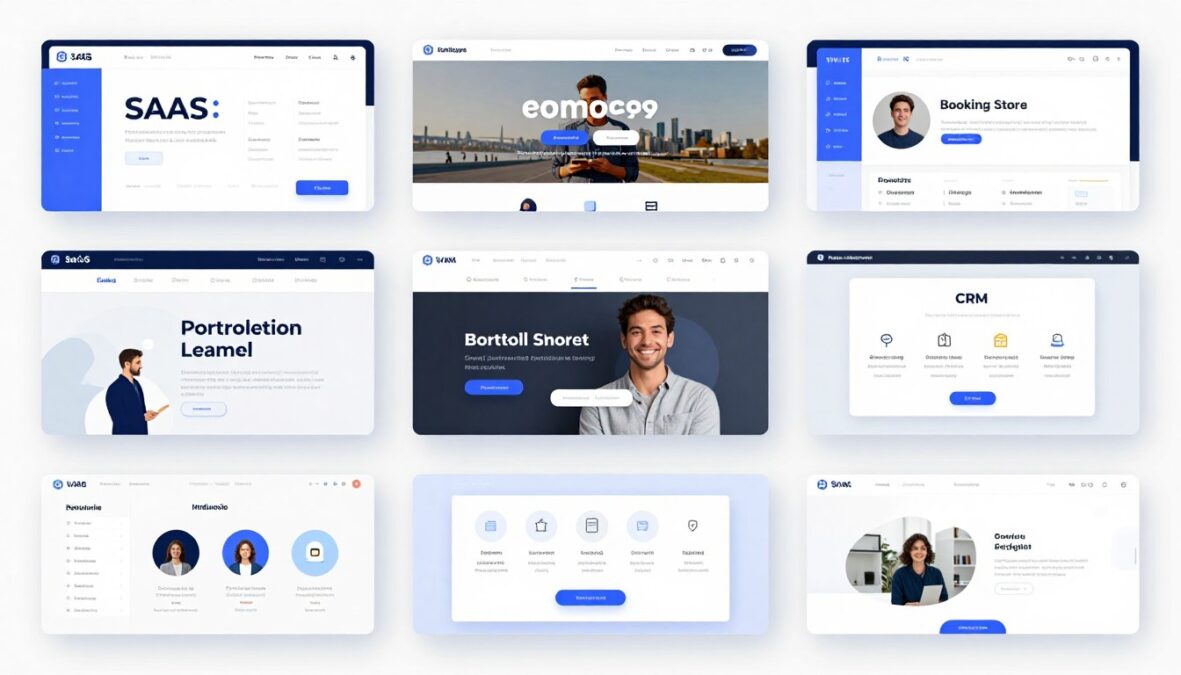
Lovable has become a popular choice for startup founders building minimum viable products. The platform enables non-technical entrepreneurs to create functional apps and validate ideas without hiring developers initially.
One founder built a project management SaaS in three days using Lovable. The app included user authentication, team collaboration features, task tracking, and basic reporting. After validating the concept with early customers, the founder raised seed funding and hired a development team.
The ability to iterate quickly proved invaluable. Based on user feedback, the founder requested feature modifications through simple prompts. Changes that would have taken weeks with traditional development happened in hours.
Internal Business Tools
Companies use Lovable to create custom internal tools tailored to their specific workflows. These applications replace spreadsheets, generic software, or manual processes with purpose-built solutions.
A marketing agency built a client reporting dashboard with Lovable. The tool pulls data from multiple sources, generates reports automatically, and allows clients to access real-time metrics. Building this tool traditionally would have cost $15,000 and taken two months.
Small businesses leverage Lovable for inventory management, employee scheduling, customer databases, and other operational needs. The platform democratizes custom software development for organizations without large technology budgets.
Freelancer and Agency Projects
Freelance developers and digital agencies use Lovable to accelerate client projects. The platform handles routine development tasks, allowing professionals to focus on unique requirements and client relationships.
Agencies report completing client projects 3-5 times faster with Lovable. They use the platform for initial development, then customize and enhance the generated code based on specific client needs. This hybrid approach combines AI efficiency with human expertise.
Freelancers appreciate the ability to take on more projects simultaneously. With Lovable handling basic development, one freelancer can manage multiple client engagements that would normally require a team.
Educational Projects and Learning
Students and coding bootcamp participants use Lovable to learn web development concepts. Building functional apps helps solidify understanding in ways that tutorials alone cannot achieve.
The platform serves as an educational tool that demonstrates best practices. Students can examine Lovable’s generated code to see how experienced developers structure applications. This exposure accelerates learning compared to starting from scratch.
E-commerce and Product Catalogs
Entrepreneurs use Lovable to create custom e-commerce experiences. While platforms like Shopify serve general needs, Lovable enables unique shopping experiences tailored to specific products or markets.
A specialty food retailer built a custom marketplace connecting artisan producers with customers. The platform includes producer profiles, custom ordering workflows, and subscription management. This specialized functionality would have been expensive to implement on standard e-commerce platforms.
Portfolio and Personal Branding Sites
Designers, photographers, writers, and other creatives use Lovable for portfolio websites. The platform creates professional, custom sites without the constraints of template-based builders.
Portfolio sites built with Lovable can include unique interactive elements, custom content layouts, and personalized functionality. These sites reflect individual creativity better than cookie-cutter templates while requiring no coding knowledge.
Getting Started with Lovable AI: Step-by-Step Guide
Creating Your Account
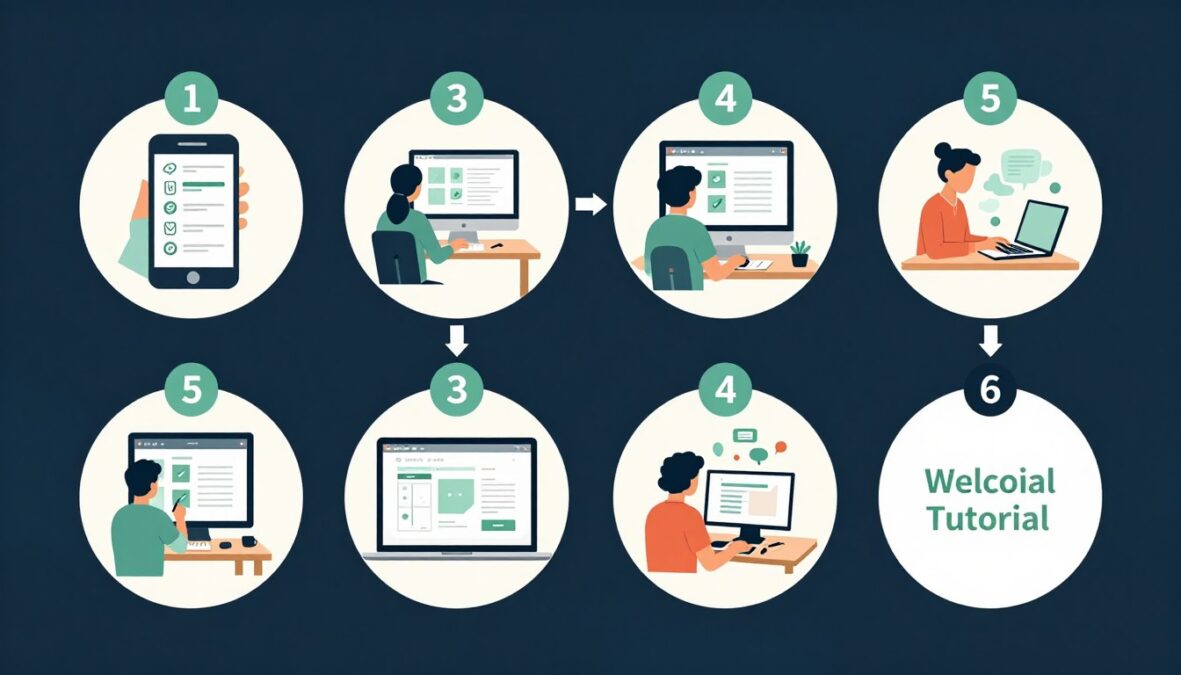
Starting with Lovable takes minutes. Visit the platform website and click the signup button. You can register with an email address or use Google authentication for faster access. No payment information is required for the free tier.
After registration, you’ll complete a brief onboarding survey. The platform asks about your experience level and project goals. This information helps customize your initial experience and provide relevant resources.
The onboarding process includes an interactive tutorial. This guided walkthrough demonstrates building a simple app from start to finish. Following along ensures you understand basic concepts before starting your own projects.
Starting Your First Project
Create a new project from your dashboard. The platform prompts you to describe what you want to build. For your first project, keep it simple—a personal portfolio site or simple landing page works well for learning.
Type a clear description of your desired app. For example: “Create a personal portfolio website with a home page, about section, project gallery, and contact form. Use a modern, minimalist design with blue and white colors.”
Lovable processes your prompt and generates the initial version within seconds. The live preview displays your new site. You can navigate through pages, test interactions, and see how everything works together.
First Project Tip: Start with something simple and specific. Complex first projects can be overwhelming. Build confidence with a basic app before tackling ambitious ideas.
Refining Your Application
Your initial version is a starting point. Now you’ll refine it through additional prompts. Want to change colors? Request it. Need additional features? Describe them. The AI updates your project based on each instruction.
Effective refinement prompts are specific and clear. Instead of “make it look better,” say “change the header background to navy blue and increase the font size of headings by 20%.” Specific instructions produce accurate results.
Adding Advanced Features
Once basic structure is complete, add sophisticated functionality. Request user authentication, database integration, API connections, or payment processing. Lovable handles the technical implementation based on your descriptions.
For complex features, break requests into steps. Instead of asking for “a complete user system,” request authentication first, then user profiles, then user settings. This incremental approach produces better results.
Testing and Debugging
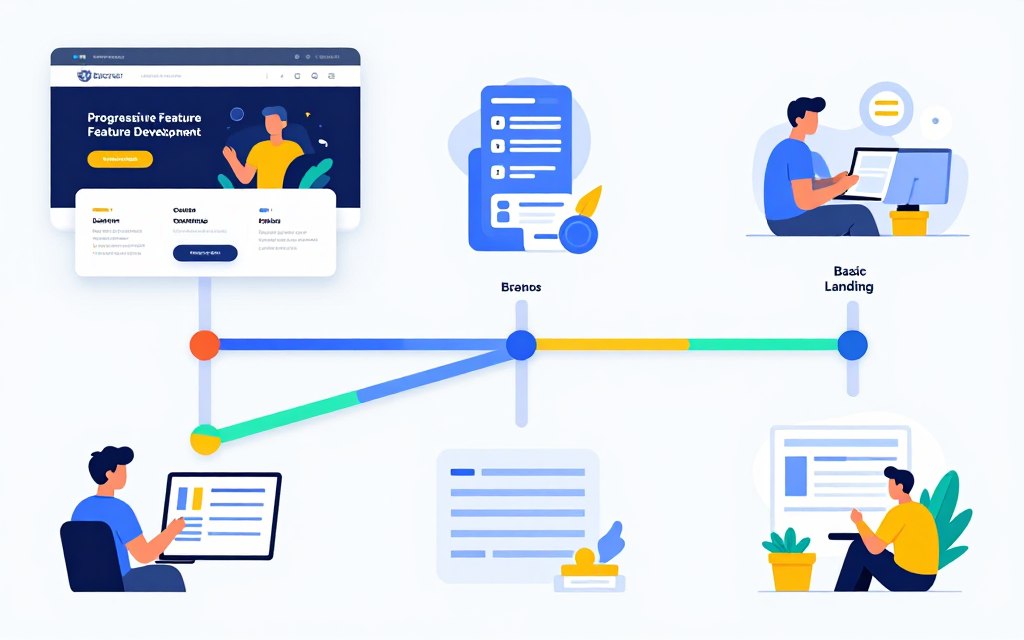
Test your application thoroughly before considering it complete. Try all features, fill out forms with various inputs, navigate through different user flows, and look for edge cases that might cause problems.
When you find issues, describe them clearly to Lovable. “The contact form doesn’t send emails when the subject field is empty” is better than “the form is broken.” Specific problem descriptions lead to accurate fixes.
Deploying Your Application
Lovable provides simple deployment options. The platform can host your app on Lovable’s infrastructure, or you can export the code and deploy elsewhere. For most users, Lovable hosting is the easiest option.
Custom domains are supported on paid plans. Connect your own domain name to make your app accessible at your preferred URL. The platform provides step-by-step instructions for domain configuration.
For advanced users who want full control, export the complete codebase. The exported project includes all code, configuration files, and documentation needed to run your app independently.
Start Building Your App Today
Join thousands of users creating applications with Lovable AI. No coding experience required. Sign up for free and build your first project in minutes.
Expert Tips and Best Practices for Lovable AI
Writing Effective Prompts
Prompt quality directly impacts result quality. Effective prompts are specific, detailed, and clear. Vague instructions produce generic results, while precise descriptions generate exactly what you envision.
Structure your prompts logically. Start with the overall feature, then specify details. “Create a user profile page with profile picture, bio text area, social media links, and edit button. Use a card layout with the profile picture on the left” is much better than “add a profile page.”
Include visual preferences in your prompts. Mention colors, layouts, spacing, and style preferences. The AI uses this information to generate designs matching your vision.
Project Planning Strategies
Plan your project before starting development. Outline the main features, user flows, and pages needed. This preparation helps you make more effective initial prompts and reduces back-and-forth refinement.
Create a simple feature list or wireframe. You don’t need professional design tools—a hand-drawn sketch or bulleted list works fine. This planning document guides your development conversation with Lovable.
Planning Tip: Think about your minimum viable version first. Identify the core features that make your app functional. Build these first, then add enhancements later.
Iterative Development Approach
Build applications incrementally rather than trying to create everything at once. Start with basic structure and core features. Test them thoroughly. Then add additional functionality layer by layer.
This iterative approach provides several benefits. You catch issues early before they compound. You can validate core functionality before investing time in secondary features. And you maintain a working version throughout development.
Managing Project Complexity
As projects grow, organization becomes important. Use clear naming conventions for pages and features. This consistency helps both you and the AI understand project structure.
Document important decisions and feature implementations in your prompts. When you request something specific, note why you made that choice. Future prompts can reference these decisions for consistency.
Troubleshooting Common Issues
When Lovable generates incorrect results, analyze what went wrong. Often, the issue stems from unclear prompts rather than platform limitations. Rephrase your request with more detail and try again.
If a feature consistently fails to work correctly, break it into smaller pieces. Request individual components separately, then ask Lovable to combine them. This divide-and-conquer approach solves complex problems.
Troubleshooting Strategy: Before assuming the platform can’t handle your request, try rephrasing your prompt three different ways. Often, slight wording changes produce dramatically better results.
Maximizing Credit Efficiency
Users on plans with credit limits should optimize their usage. Well-crafted initial prompts reduce the need for multiple refinement iterations, saving credits overall.
Final Verdict: Should You Use Lovable AI in 2026?
Who Benefits Most from Lovable AI
Lovable AI excels for specific user groups and use cases. The platform delivers exceptional value when your needs align with its strengths. Understanding where it fits helps you make an informed decision.
Non-technical entrepreneurs gain the most advantage. If you have a product idea but lack coding skills, Lovable empowers you to build and validate concepts independently. This capability fundamentally changes the startup landscape for non-technical founders.
Small businesses benefit significantly from cost savings. Custom software that would cost tens of thousands of dollars can be built for the price of a monthly subscription. This accessibility democratizes technology for smaller organizations.
Developers find value in acceleration. While they could code applications manually, Lovable handles routine tasks dramatically faster. This efficiency lets developers focus on unique, high-value work rather than repetitive implementation.
Ideal User Profile: Someone with a clear app vision who needs a functional version quickly and cost-effectively, without deep technical expertise or large development budgets.
When to Choose Lovable Over Alternatives
Select Lovable when speed matters more than pixel-perfect design control. The platform prioritizes rapid development over granular customization. For MVPs, prototypes, and internal tools, this tradeoff makes perfect sense.
Choose Lovable for full-stack applications with moderate complexity. If your project needs backend logic, databases, and API integrations, Lovable handles these requirements well. Simpler alternatives focus only on frontend development.
The platform works best when you need code ownership. Unlike SaaS platforms where you’re locked in, Lovable lets you export everything. This flexibility provides an exit strategy if your needs outgrow the platform.
When to Consider Alternatives
Traditional development remains necessary for highly specialized applications. If your project requires unique algorithms, complex business logic, or cutting-edge features, human developers bring expertise AI cannot replicate.
Enterprise-scale applications with massive user bases need careful architectural planning. While Lovable creates solid foundations, applications expecting millions of users benefit from experienced architects who understand scale challenges.
Value Proposition Analysis
At $29-99 per month, Lovable delivers outstanding return on investment for most users. Compare this to hiring developers at $50-150 per hour, and the math is compelling. Even saving a few hours monthly justifies the cost.
The value extends beyond direct cost savings. Time to market acceleration, ability to iterate quickly based on feedback, and empowerment of non-technical team members create additional benefits difficult to quantify but undeniably valuable.
Long-Term Viability Considerations
Lovable continues investing in platform development. The 2026 updates demonstrate commitment to improving capabilities and addressing user needs. This ongoing development suggests the platform will remain relevant and competitive.
The company’s business model appears sustainable. With a growing user base and clear value proposition, Lovable has established itself as a significant player in AI-powered development tools. This stability matters for users building long-term projects.
Code export capability provides insurance against platform changes. Even if Lovable’s direction changes or pricing increases substantially, you can export your projects and continue development independently. This safety net reduces lock-in risk.
Our Recommendation
Lovable AI represents a genuine innovation in application development. The platform successfully democratizes software creation, making it accessible to non-technical users while providing value to experienced developers seeking efficiency.
For the target audience—entrepreneurs, small businesses, product teams, and developers building MVPs—Lovable delivers exceptional value. The combination of speed, cost-effectiveness, and capability creates opportunities previously inaccessible to these users.
We enthusiastically recommend trying Lovable AI, especially given the generous free tier. Even if it doesn’t meet all your needs, the experience of building an app through conversation alone is educational and impressive.
The platform isn’t perfect. Traditional development still offers advantages for complex, specialized, or large-scale projects. But for the vast majority of web applications—MVPs, internal tools, small business solutions, and prototypes—Lovable provides a faster, cheaper, and more accessible path to deployment.
Start with the free plan. Build something simple to understand the workflow. Most users quickly see whether Lovable fits their needs. The platform either clicks immediately or doesn’t align with your working style.
Conclusion

Lovable AI stands at the forefront of a fundamental shift in how applications are built. The platform proves that AI can handle not just code completion but entire application development. This capability opens software creation to millions who previously lacked access.
The 2026 version represents significant maturity. Features that were experimental in earlier versions now work reliably. The platform handles real production workloads, not just demos. This evolution transforms Lovable from an interesting experiment into a practical development tool.
No tool is universally perfect. Lovable has limitations, particularly for highly specialized or extremely complex projects. But within its target use cases, it performs exceptionally well. The platform delivers what it promises: functional web applications from natural language descriptions.
The democratization of app development creates exciting possibilities. Entrepreneurs can validate ideas without technical co-founders. Small businesses can afford custom software. Students can build portfolio projects. These opportunities were previously gated behind expensive development costs or years of learning.
As AI capabilities continue advancing, platforms like Lovable will become more powerful. The improvements from 2025 to 2026 were substantial. Future versions will likely handle even more complex requirements with greater accuracy. Early adopters gain experience with tools that will shape technology’s future.
Whether you’re a founder with a product vision, a business owner needing custom tools, or a developer seeking efficiency, Lovable AI deserves serious consideration. The free tier eliminates financial risk. Try it. Build something. Experience firsthand how AI-powered development feels.
The future of software development includes AI collaboration. Lovable AI demonstrates this future today, accessible and functional. For users whose needs align with the platform’s strengths, it’s not just a useful tool—it’s transformative.
Experience Lovable AI Yourself
Join the AI development revolution. Create your free account and start building your first application today. No credit card required, no coding experience necessary.
There are no reviews yet. Be the first one to write one.