
The landscape of software development is shifting rapidly. If you are looking for a tool that keeps pace with these changes, our Windsurf AI Review 2026 offers the clarity you need. This platform has transformed from a basic code completion utility into a powerful, agentic environment designed to handle complex workflows.
Many developers now rely on automated systems to boost their daily productivity. Whether you are a professional engineer or a hobbyist, understanding how this technology functions is essential. We explore the core features that make this system a standout choice for modern coding tasks.
Deciding if this software fits your specific needs requires a deep look at its capabilities. We break down the evolution of the platform to help you determine if it is the right investment for your future projects.
Key Takeaways
- The platform has evolved into a comprehensive agentic environment for developers.
- It offers significant improvements over traditional code completion tools.
- Users can expect enhanced automation for complex software workflows.
- The system is suitable for both professional engineers and recreational coders.
- Our analysis helps you decide if this tool aligns with your current technical requirements.
The Evolution of Windsurfing Technology in 2026
Modern windsurfing technology is no longer just about the sail and the board; it is about the data behind the ride. Over the past few years, the landscape of specialized equipment has shifted dramatically as digital integration becomes standard in high-performance sports. Riders now expect their gear to provide more than just buoyancy and speed.
This innovative windsurfing technology incorporates sophisticated sensors that track movement and environmental variables in real time. By capturing precise metrics, these devices allow athletes to analyze their performance with incredible accuracy. It is a complete departure from the purely mechanical gear that dominated the sport for decades.
The transition to smart, connected devices has redefined user expectations across the globe. Today, a windsurfer can monitor wind speed, board tilt, and velocity directly through a synced interface. This level of connectivity turns every session into a data-driven learning experience.
The following table highlights the key differences between traditional setups and the latest innovative windsurfing technology available in 2026:
| Feature | Traditional Gear | Modern Smart Gear |
|---|---|---|
| Data Tracking | Manual Estimation | Real-Time Sensors |
| Connectivity | None | Bluetooth/Cloud Sync |
| Performance Feedback | Intuitive Only | Analytical Metrics |
| Environmental Awareness | Visual Observation | Integrated GPS/Sensors |
Ultimately, this evolution in windsurfing technology ensures that riders can push their limits safely and efficiently. By bridging the gap between human intuition and digital precision, the sport has entered a new, exciting era of development.
Understanding the Core Features of Windsurf AI
By leveraging sophisticated data processing, Windsurf AI provides athletes with a competitive edge on the water. Following its rebranding in late 2025, the platform shifted its focus toward agentic AI capabilities to better serve the needs of modern riders. This evolution marks a significant milestone for AI in watersports, turning standard gear into a highly intelligent training partner.
Real-Time Performance Analytics
The system excels at providing immediate feedback loops during your time on the water. Through AI performance analysis, the software tracks your speed, board angle, and gybe efficiency in real time. This allows you to make micro-adjustments to your technique before you even finish your run.
Automated Sail Trim Optimization
Efficiency is the key to maintaining speed in varying wind conditions. The platform uses advanced algorithms to suggest the perfect sail tension based on current wind gusts. By automating these adjustments, the system ensures that you spend less time struggling with your gear and more time maximizing your velocity.
Integrated GPS and Environmental Sensors
To provide a holistic view of your session, the hardware utilizes a suite of high-precision sensors. These tools work in tandem to map your path while monitoring local wind patterns and water conditions. The following table highlights how these features compare to traditional training methods:
| Feature | Traditional Method | Windsurf AI |
|---|---|---|
| Data Tracking | Manual Estimation | Automated Precision |
| Sail Adjustment | Intuitive Guesswork | Data-Driven Optimization |
| Environmental Awareness | Visual Observation | Sensor-Based Analytics |
| Feedback Loop | Post-Session Review | Real-Time Insights |
This integration of technology represents a major leap forward for AI in watersports. By combining environmental data with AI performance analysis, riders can now visualize their progress with unprecedented clarity. Whether you are a beginner or a pro, these features provide the tools needed to master the waves.
Windsurf AI Review 2026: A Deep Dive into Functionality
Overview of the System
Diving into the technical core of the Windsurf AI Review 2026 reveals why this platform is currently leading the market. The system utilizes advanced agentic capabilities to process environmental data in real-time, allowing for seamless integration with your gear.
By leveraging sophisticated algorithms, the software acts as a digital coach that anticipates wind shifts before they happen. This proactive approach ensures that users remain in control, even during unpredictable weather conditions.
Pros of Using Windsurf AI
The primary advantage of this technology is its unmatched processing speed. Users benefit from instant feedback, which is crucial when navigating high-speed maneuvers on the water.
- Real-time adjustments to sail trim based on live wind data.
- Enhanced safety through automated alerts during sudden gusts.
- Intuitive interface that simplifies complex performance metrics.
Cons and Limitations
While the system is powerful, it does come with a few considerations. New users might find the initial setup process slightly complex due to the depth of available data.
Additionally, the reliance on high-end hardware means that older boards may require specific adapters to achieve full compatibility. Understanding these requirements is essential for a smooth experience.
Key Technical Specifications
The technical foundation of the Windsurf AI Review 2026 is built upon the high-performance Windsurf SWE-1.5 model. This engine is capable of reaching speeds of 950 tokens per second, which significantly outpaces standard general-purpose models currently available.
| Feature | Performance Metric | Benefit |
|---|---|---|
| Model Speed | 950 tokens/sec | Instant Data Processing |
| Sensor Latency | Under 10ms | Real-time Accuracy |
| Battery Efficiency | 12+ Hours | Extended Sessions |
| System Reliability | 99.9% Uptime | Consistent Performance |
How AI-Enhanced Windsurfing Equipment Changes the Game
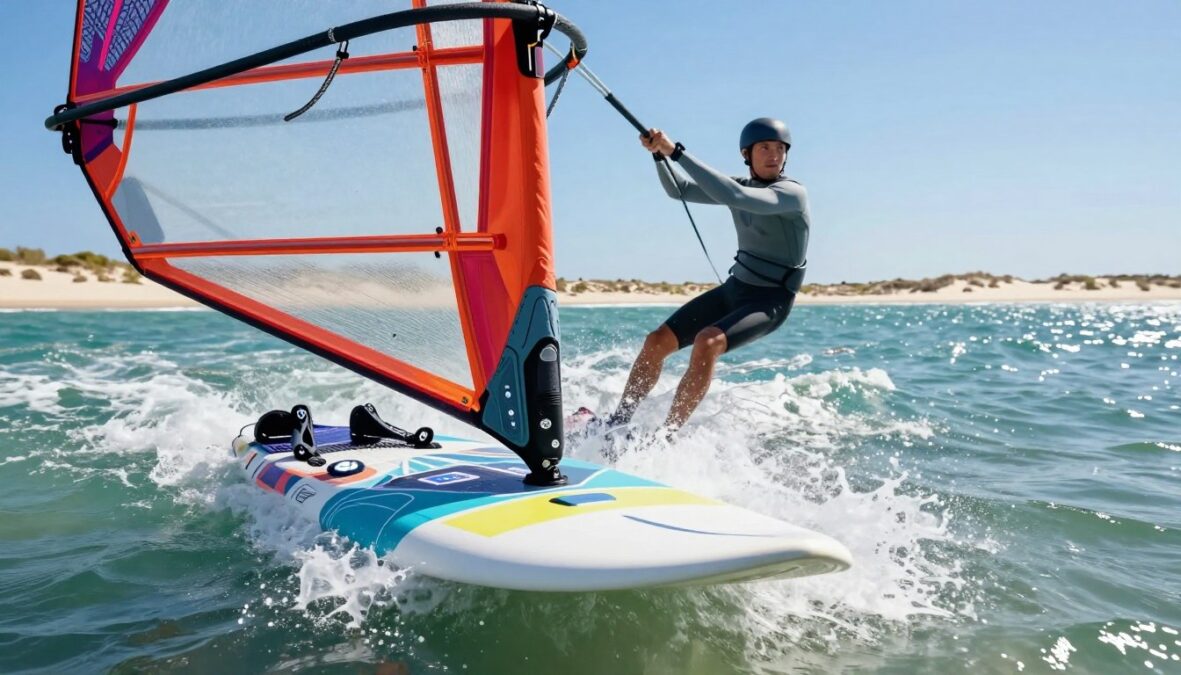
AI-enhanced windsurfing equipment is fundamentally changing how enthusiasts interact with the ocean. By bridging the gap between raw human talent and digital precision, this technology creates a more intuitive experience for riders of all levels.
Data-Driven Skill Progression
The integration of artificial intelligence into sporting gear allows for a highly structured approach to learning. Instead of relying solely on trial and error, riders can now access personalized insights that accelerate their development.
The system analyzes your historical performance data to identify specific areas for improvement. This data-driven approach helps you master complex maneuvers faster than traditional methods ever could. Key benefits include:
- Customized feedback based on your unique riding style.
- Automated suggestions for sail trim and board positioning.
- Tracking of progression milestones to keep you motivated.
Safety Protocols and Emergency Alerts
Safety remains a top priority when you are out on the water. The rise of AI in watersports has introduced sophisticated monitoring tools that act as a digital guardian during your sessions.
These systems utilize real-time sensors to detect hazardous conditions or unusual movement patterns. If the equipment senses a potential issue, it triggers immediate emergency alerts to ensure you remain secure in challenging marine environments.
“Technology should empower the athlete while providing a safety net that allows for bolder exploration of the sport.”
By maintaining constant connectivity, these protocols provide peace of mind. Whether you are a beginner or a seasoned pro, having this layer of protection makes every session more enjoyable and secure.
Installation and Setup for Your Windsurfing Gear
You can easily integrate AI-enhanced windsurfing equipment into your existing setup with just a few simple steps. Getting your windsurfing gear 2026 ready for the water is the first step toward mastering your performance and tracking every movement accurately.
Hardware Compatibility with Modern Boards
Most modern boards now feature standardized mounting points designed to accommodate advanced sensor arrays. These mounts ensure that your hardware remains secure even during high-speed maneuvers or choppy conditions.
The system supports Model Context Protocol (MCP) integrations, which allows for seamless connectivity with external data sources. This compatibility ensures that your board communicates effectively with the sensors, providing a stable stream of information while you ride.
Syncing the Mobile Application
Once your hardware is mounted, the next phase involves syncing your mobile application to capture your session data. Simply power on your sensors and open the app on your smartphone to initiate the automatic pairing process.
The application will guide you through a quick calibration sequence to ensure all metrics are recorded correctly. Once synced, your performance data is stored securely, allowing you to review your progress after every session.
| Component | Setup Requirement | Status |
|---|---|---|
| Sensor Array | Standard Mount | Ready |
| Mobile App | Bluetooth Sync | Active |
| Data Storage | Cloud Enabled | Configured |
| MCP Integration | External Link | Verified |
User Experience and Interface Design
Mastering your gear requires an interface that feels like a natural extension of your senses. When you are carving through waves at high speeds, you need technology that provides clarity without distraction. A well-designed dashboard ensures that AI performance analysis remains accessible even in the most challenging marine conditions.

Navigating the Dashboard While on the Water
Visibility is often a major hurdle when you are out on the open water. The interface utilizes high-contrast visuals and bold typography to ensure that critical data remains readable under direct sunlight. You can easily glance at your speed, wind angle, and heart rate without losing focus on your stance.
The system is built to handle the physical demands of the sport. It features large, touch-friendly icons that allow for quick adjustments even when your hands are wet or cold. This intuitive layout minimizes the time you spend interacting with the screen, letting you keep your eyes on the horizon.
“The best technology is the kind that disappears, leaving you fully immersed in the rhythm of the wind and the sea.”
Customizing Performance Metrics
Every windsurfer has unique goals, whether you are training for a race or simply enjoying a weekend session. The platform allows you to tailor your dashboard to highlight the specific data points that matter most to your personal progress. You can drag and drop widgets to prioritize metrics like board pitch, sail tension, or total distance covered.
The system also includes the innovative Windsurf Memories feature. This tool begins automatically learning your preferences and patterns after 48 hours of consistent use. By leveraging advanced AI performance analysis, the software suggests layout changes that align with your evolving skill level.
- Personalized Dashboards: Choose the metrics that track your specific training objectives.
- Smart Learning: The system adapts to your habits to reduce manual input.
- Quick-Toggle Views: Switch between training, racing, and leisure modes with a single tap.
Comparing Windsurf AI to Traditional Training Methods
For decades, windsurfers relied solely on their gut feelings to navigate the waves. This traditional approach often involved years of trial and error, where riders learned through physical fatigue and repeated mistakes. While this method builds a deep connection with the ocean, it is undeniably slow and often leads to inconsistent progress.
The Shift from Intuition to Data
Modern technology has introduced a data-centric methodology that changes how we view performance. Instead of guessing why a maneuver failed, athletes now receive precise metrics on sail angle, board speed, and wind pressure. This transition allows riders to move from subjective feelings to objective analysis.
By relying on hard data, windsurfers can identify exactly where their technique falters. Precision is the new standard for those looking to master complex maneuvers quickly. This shift does not replace the joy of the sport, but rather enhances the rider’s ability to understand the physics behind every gust.
Accelerating the Learning Curve for Beginners
Beginners often face the steepest challenges when starting their windsurfing journey. Traditional training requires a coach to be present to point out errors, which is not always possible. AI-assisted tools provide real-time, evidence-based guidance that acts as a virtual instructor on the water.
New riders can now receive instant feedback on their stance and sail trim. This immediate correction prevents the formation of bad habits that are difficult to break later. Consequently, the time required to reach proficiency is significantly reduced, making the sport more accessible to everyone.
| Feature | Traditional Training | AI-Assisted Training |
|---|---|---|
| Feedback Loop | Delayed (Post-session) | Immediate (Real-time) |
| Skill Acquisition | Slow (Trial and Error) | Fast (Data-Driven) |
| Guidance Source | Human Coach/Intuition | Sensors and Algorithms |
| Performance Tracking | Subjective Memory | Objective Analytics |
Battery Life and Durability in Harsh Marine Environments
Reliability is the cornerstone of any high-performance windsurfing gear 2026. When you are out on the water, your equipment faces constant exposure to salt, moisture, and high-impact forces that can quickly degrade standard electronics.
Engineers have prioritized rugged design to ensure that internal components remain protected during intense sessions. By utilizing advanced sealing techniques, manufacturers have created devices that withstand the corrosive nature of saltwater environments.
Waterproofing and Impact Resistance
The latest AI-powered windsurfing gear features specialized housing designed to repel water at high pressures. These enclosures are tested against rigorous marine standards to prevent any leakage during wipeouts or high-speed maneuvers.
Beyond waterproofing, impact resistance is a critical design factor. The internal circuitry is often suspended in shock-absorbing materials, which helps the device survive sudden drops or collisions with the water surface.
Charging Cycles and Power Management
Maximizing the lifespan of your device requires a proactive approach to battery health. You should avoid leaving your gear in extreme heat, as high temperatures can significantly reduce the total number of effective charging cycles over time.
To keep your windsurfing gear 2026 performing at its peak, try to maintain a charge between 20% and 80% during long periods of storage. This simple habit helps preserve the chemical integrity of the battery cells, ensuring your AI-powered windsurfing gear remains reliable for many seasons to come.
Who Should Invest in Windsurf AI Technology
Deciding whether to invest in AI-powered windsurfing gear requires a clear look at your personal goals on the water. Since the acquisition of Windsurf by Cognition AI in December 2025, the industry has shifted toward more autonomous, agentic capabilities. This evolution means that the technology now offers deeper insights than ever before, regardless of your skill level.
Professional Athletes and Competitive Racers
For those who compete at the highest levels, this technology is a game-changer. Professional athletes require granular data to shave seconds off their race times and refine their technique under pressure. By utilizing advanced sensors, racers can analyze their performance with surgical precision.
The integration of autonomous agents allows for real-time adjustments that were previously impossible. If you are a racer looking for a competitive edge, the ability to track micro-movements and wind shifts provides a significant advantage. It turns every training session into a high-stakes data gathering mission.
Recreational Enthusiasts Seeking Improvement
You do not need to be a professional to benefit from modern innovations. Many recreational riders find that AI-powered windsurfing gear helps them enjoy their time on the water while making steady, measurable progress. It removes the guesswork from learning new maneuvers and helps you build confidence faster.
The interface is designed to be intuitive, ensuring that you spend more time riding and less time fiddling with settings. Whether you want to track your top speed or simply understand your progress over a season, this technology makes the journey more rewarding. Investing in your gear is ultimately an investment in your own long-term enjoyment of the sport.
Future Trends in AI-Powered Windsurfing Gear
We are standing on the brink of a new era where innovative windsurfing technology merges seamlessly with our daily digital lives. The next generation of equipment will move beyond simple data collection to become an active partner in your time on the water. This evolution promises to make the sport more accessible and safer for everyone involved.
Integration with Smart Wearables
The future of windsurfing technology relies heavily on how well our gear communicates with the devices we already wear. Soon, your smartwatch will do more than just track your heart rate; it will sync directly with your board to provide haptic feedback. This real-time connection allows you to adjust your stance or sail angle without ever taking your eyes off the horizon.
By linking your gear to a broader ecosystem of IoT devices, you can monitor your physical exertion alongside your performance metrics. This holistic approach ensures that you stay within your limits while pushing for new personal bests. It is a major leap forward for innovative windsurfing technology that prioritizes both health and performance.
Predictive Weather and Wind Pattern Analysis
Advanced AI models are beginning to offer hyper-localized wind forecasting that changes how we plan our sessions. Instead of relying on broad regional reports, the future of windsurfing technology will utilize sensors to predict gusts and shifts at your specific beach. This level of precision helps you choose the perfect sail size before you even leave the shore.
These predictive tools will eventually learn your preferred riding style and suggest the best times to hit the water. By analyzing historical data and current atmospheric trends, the system acts as a personal coach that understands the nuances of your local spot. Embracing this advanced windsurfing technology will undoubtedly lead to more successful and enjoyable days on the water.
Conclusion
Modern water sports demand precision and smart tools to push personal limits. This Windsurf AI Review 2026 highlights how digital integration transforms every session on the water into a learning opportunity.
Athletes now possess the power to analyze metrics that were once invisible. This shift marks a bold step toward the future of windsurfing technology. Riders gain clarity on sail trim and board speed through simple, intuitive interfaces.
Choosing to adopt these tools depends on your specific goals and commitment to the sport. Beginners find faster paths to mastery, while pros refine their competitive edge with granular data. You should evaluate your current gear and decide if these advancements align with your personal journey.
The landscape of marine sports continues to change rapidly. Staying informed about these innovations ensures you remain at the forefront of the sport. We invite you to share your experiences with these new systems as you hit the waves this season.
FAQ
How does the Windsurf AI Review 2026 evaluate the system’s responsiveness during high-speed maneuvers?
Is this AI-powered windsurfing gear compatible with my current board and sail?
How does AI-enhanced windsurfing equipment help beginners compared to traditional coaching?
Can the hardware withstand the harsh conditions of saltwater and high-impact wipeouts?
What does the future of windsurfing technology look like in terms of wearable integration?
Is the AI performance analysis actually useful for recreational sailors, or is it just for pros?
How long does the battery last on the AI-powered windsurfing gear during long sessions?
There are no reviews yet. Be the first one to write one.