
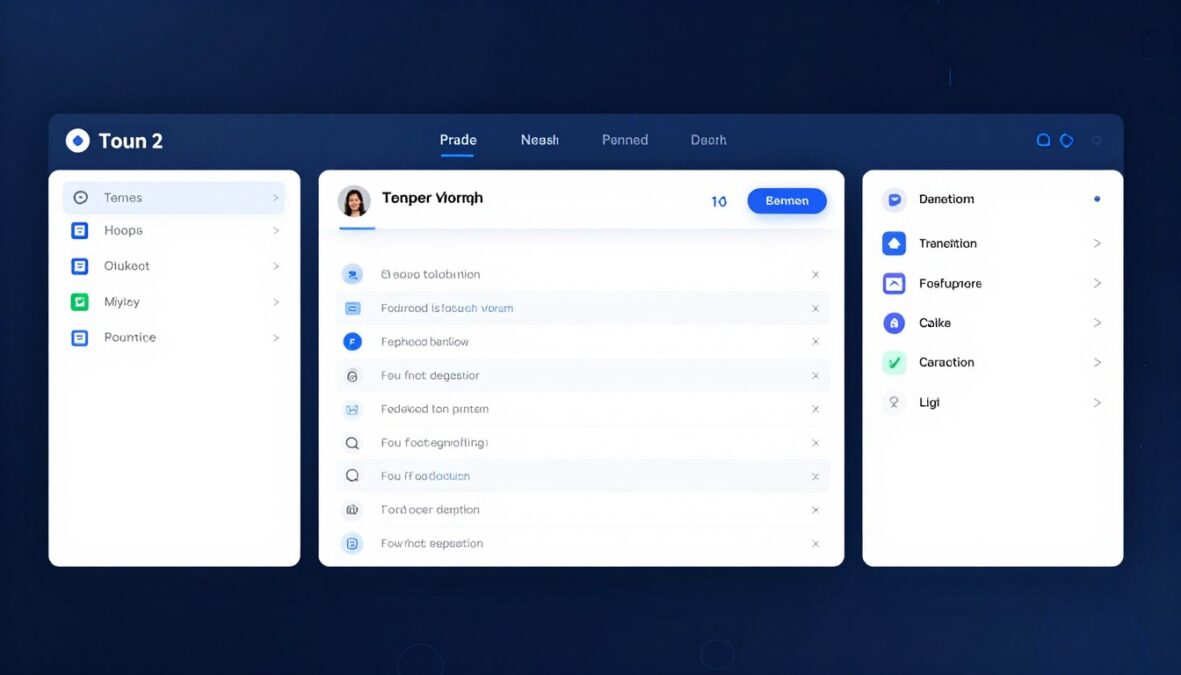
The world of artificial intelligence continues to evolve at a remarkable pace. Among the emerging tools reshaping how we approach tasks and workflow automation stands Godmode AI Agent. This autonomous agent platform promises to transform the way users interact with AI technology.
Unlike traditional AI tools that require constant guidance, god mode AI operates with a level of independence that sets it apart. The platform enables users to delegate complex tasks to intelligent agents. These agents work autonomously to achieve specified goals without requiring step-by-step instructions.
This comprehensive review examines every aspect of the godmode ai agent. We explore its features, capabilities, pricing structure, and real-world performance. Whether you’re a business owner seeking automation solutions or a developer exploring AI applications, this guide provides the insights you need.
What Is Godmode AI Agent and How Does It Work
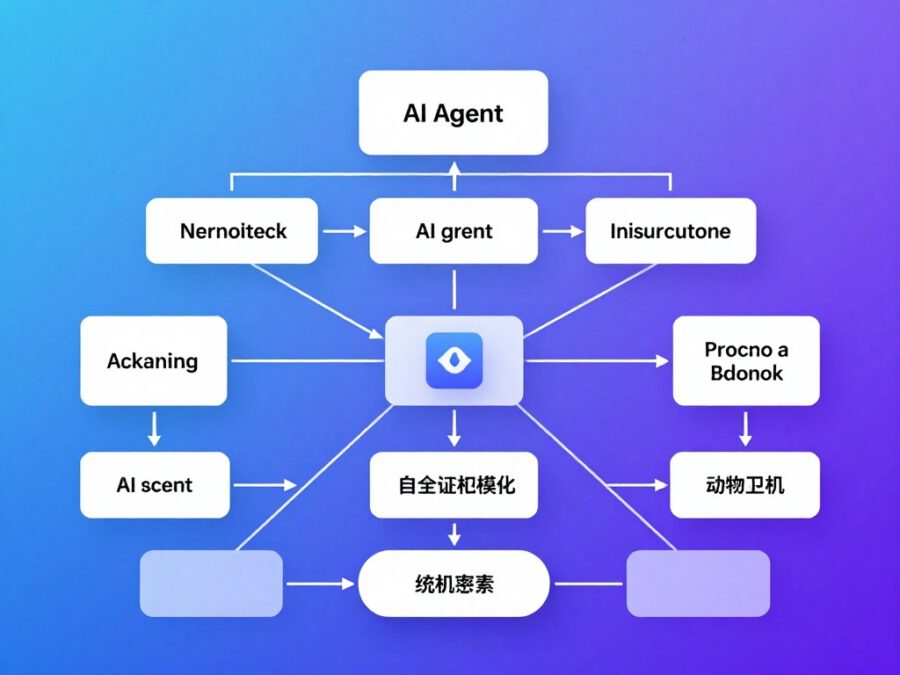
Godmode AI Agent represents a new generation of autonomous agents designed to handle complex tasks with minimal human intervention. The platform functions as a web-based tool that leverages advanced AI models to complete objectives independently.
At its core, the system operates by breaking down high-level goals into manageable sub-tasks. Users provide an initial goal or objective to the agent. The AI then analyzes this goal, formulates a strategy, and executes the necessary steps to achieve it.
The platform integrates with multiple AI models and tools. This ecosystem approach allows god mode AI to access different services and capabilities as needed. When one tool proves insufficient for a particular task, the agent automatically switches to alternative resources.
Core Operational Principles
The autonomous agent follows a systematic process for task completion. First, it interprets the user’s goal and context. Next, it develops a multi-step plan to achieve the objective.
The agent then executes each step sequentially. Throughout this process, it evaluates results and adjusts its approach based on outcomes. This adaptive learning process distinguishes autonomous agents from simpler AI tools.
Technology Foundation
Godmode AI builds upon cutting-edge language models and AI frameworks. The platform harnesses GPT-3.5 and GPT-4 architectures for natural language understanding and generation.
Integration with specialized APIs extends the agent’s capabilities beyond basic text processing. Access to search engines, data sources, and external tools enables comprehensive task execution across various domains.
The Autonomous Agent Advantage
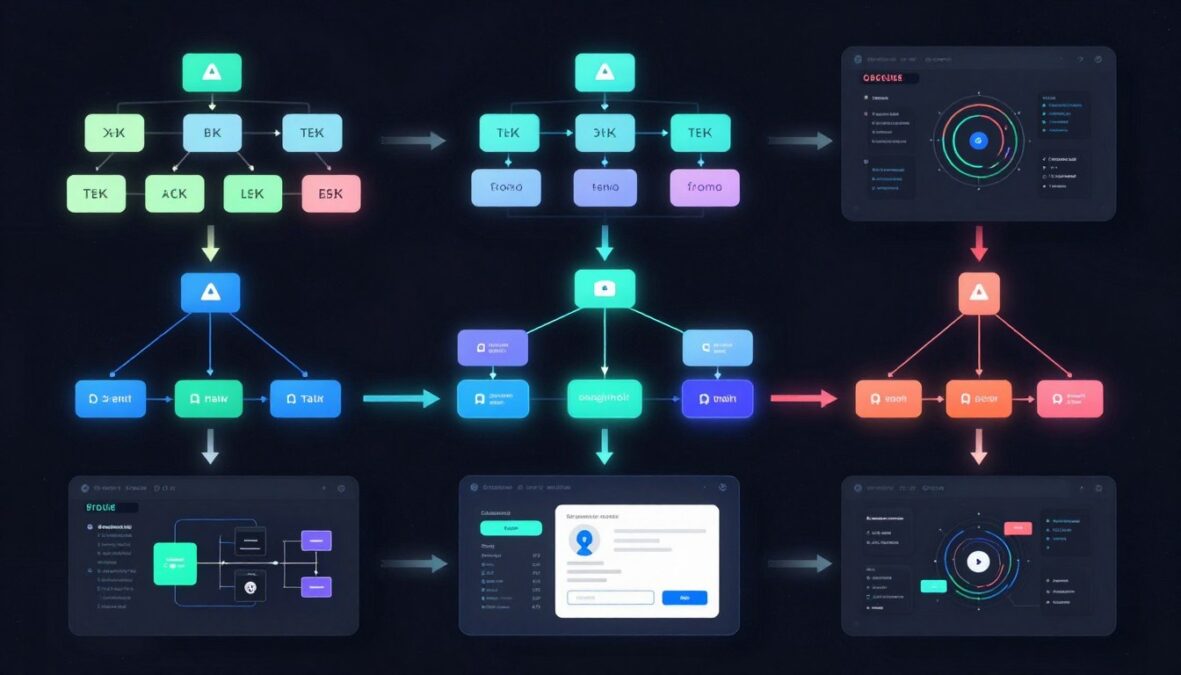
Traditional AI tools require users to provide detailed prompts for each action. God mode changes this dynamic by enabling goal-oriented interaction. Users define what they want to achieve rather than how to achieve it.
This shift reduces the time and expertise needed to leverage AI effectively. Business users without technical backgrounds can delegate complex research, analysis, and content creation tasks to the agent. The platform handles the technical execution automatically.
The autonomous nature of these agents also enables multi-step workflows. A single goal might require researching information, analyzing data, generating content, and formatting results. The godmode ai agent manages this entire process without additional user input.
Key Features and Capabilities of Godmode AI Agent
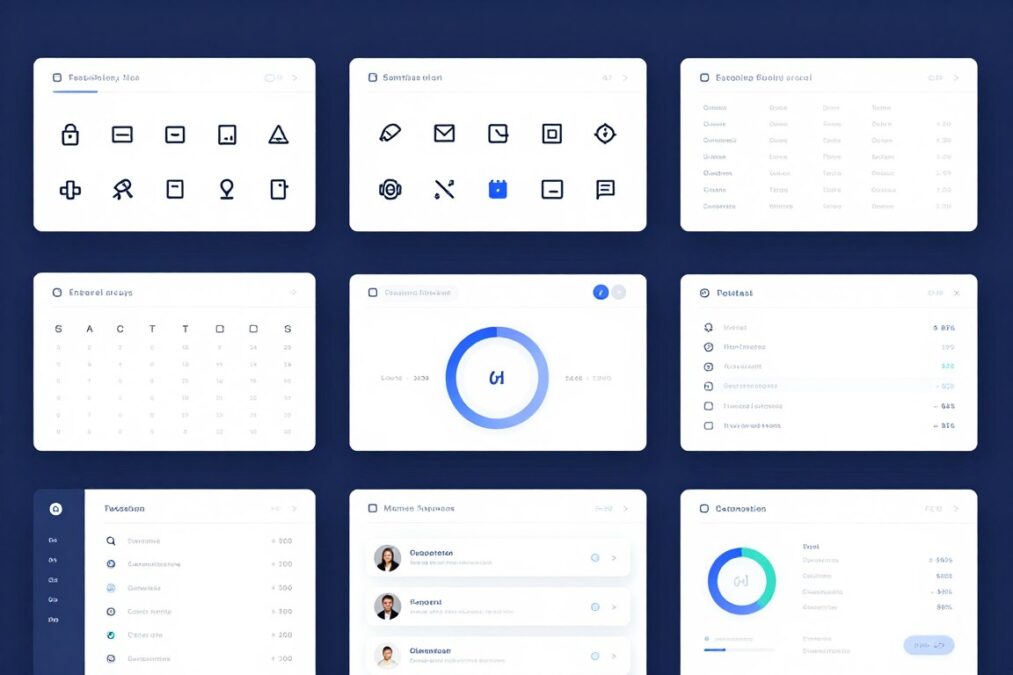
The platform offers an extensive array of features designed to maximize productivity and automation. Understanding these capabilities helps users determine if the tool aligns with their specific needs and workflow requirements.
Autonomous Task Management
The primary feature that defines god mode AI is its autonomous task execution. Users input high-level objectives, and the agent independently determines the optimal path to completion. This capability extends across numerous task categories including research, content creation, data analysis, and process automation.
The agent maintains context throughout multi-step processes. It remembers previous actions and decisions, ensuring consistency across complex workflows. This contextual awareness enables the platform to handle sophisticated business processes that would typically require human oversight.
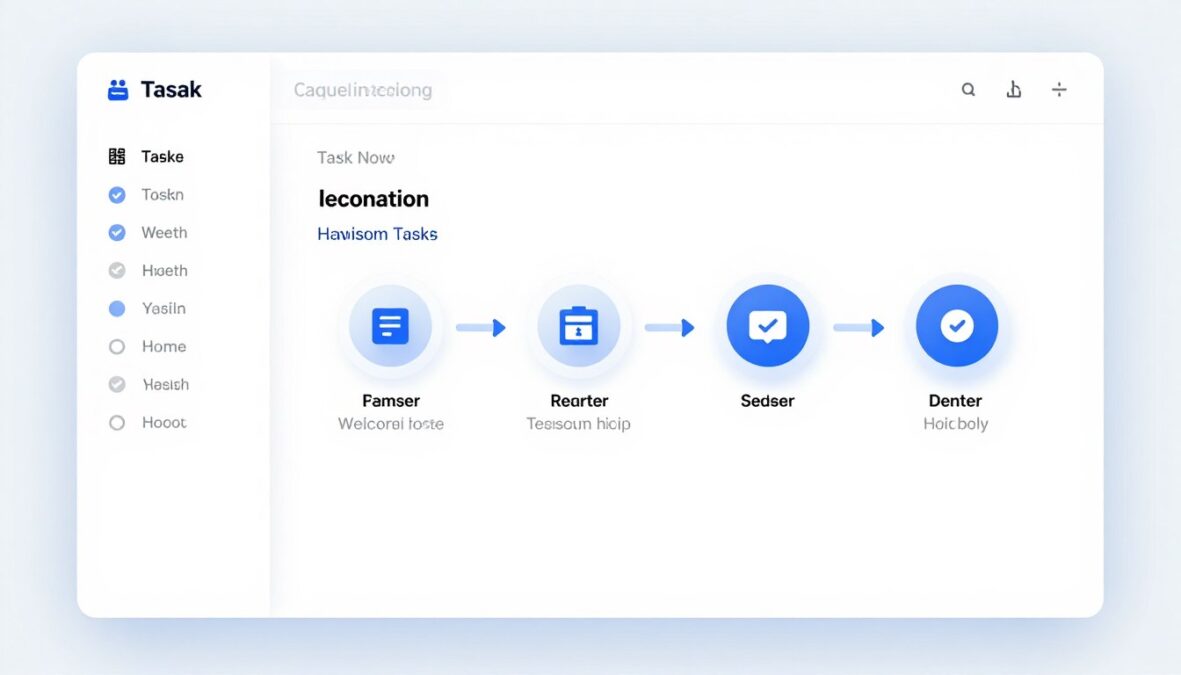
Multi-Tool Integration and Ecosystem
Godmode AI connects with an extensive ecosystem of external tools and services. This integration framework allows the agent to access specialized capabilities beyond its core AI model. When a task requires specific functionality, the platform automatically engages the appropriate tool.
- Search engine integration for real-time information retrieval
- API connections to various data sources and services
- Code execution environments for technical tasks
- Content generation tools for creative applications
- Data processing capabilities for analytical work
The web platform architecture ensures users can access these features from any device with internet connectivity. No local installation or specialized hardware is required. This accessibility makes the tool practical for diverse user groups and use cases.
Intelligent Prompts and Goal Setting
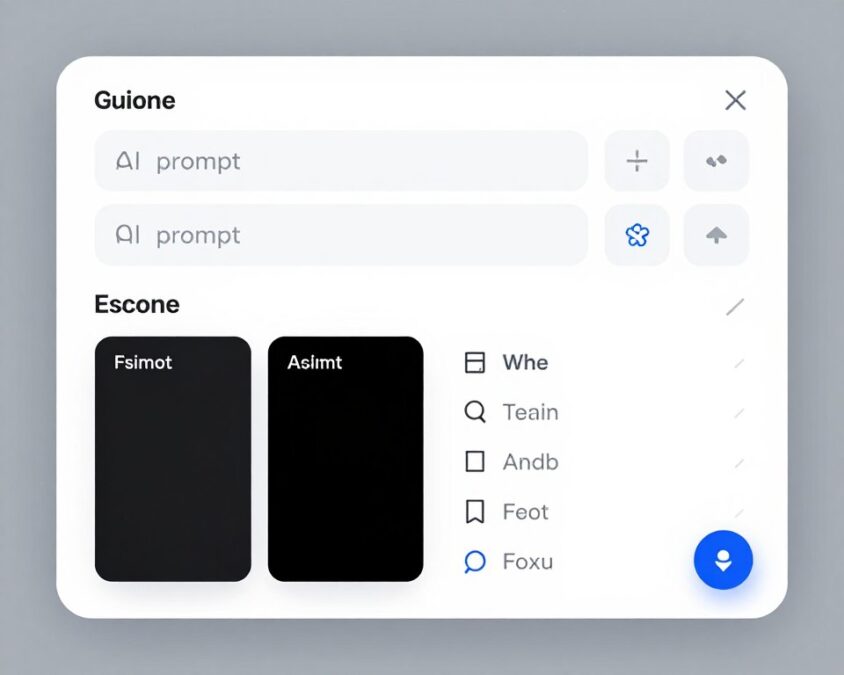
The platform provides a user-friendly interface for defining goals and objectives. The system accepts natural language input, eliminating the need for technical prompt engineering. Users describe what they want to accomplish in plain language.
Advanced users can refine their prompts for more precise control. The interface supports detailed specifications, constraints, and preferences. This flexibility accommodates both casual users seeking simple automation and power users requiring specific outcomes.
Adaptive Learning and Workflow Optimization
Based on the latest developments in AI technology, the agent learns from each interaction. Over time, it develops better strategies for common task types. This learning process improves efficiency and output quality with continued use.
The platform analyzes successful task completions to identify optimal approaches. When similar goals appear, the agent applies these proven strategies. This adaptive behavior reduces processing time and enhances result accuracy.
Community and Collaboration Features
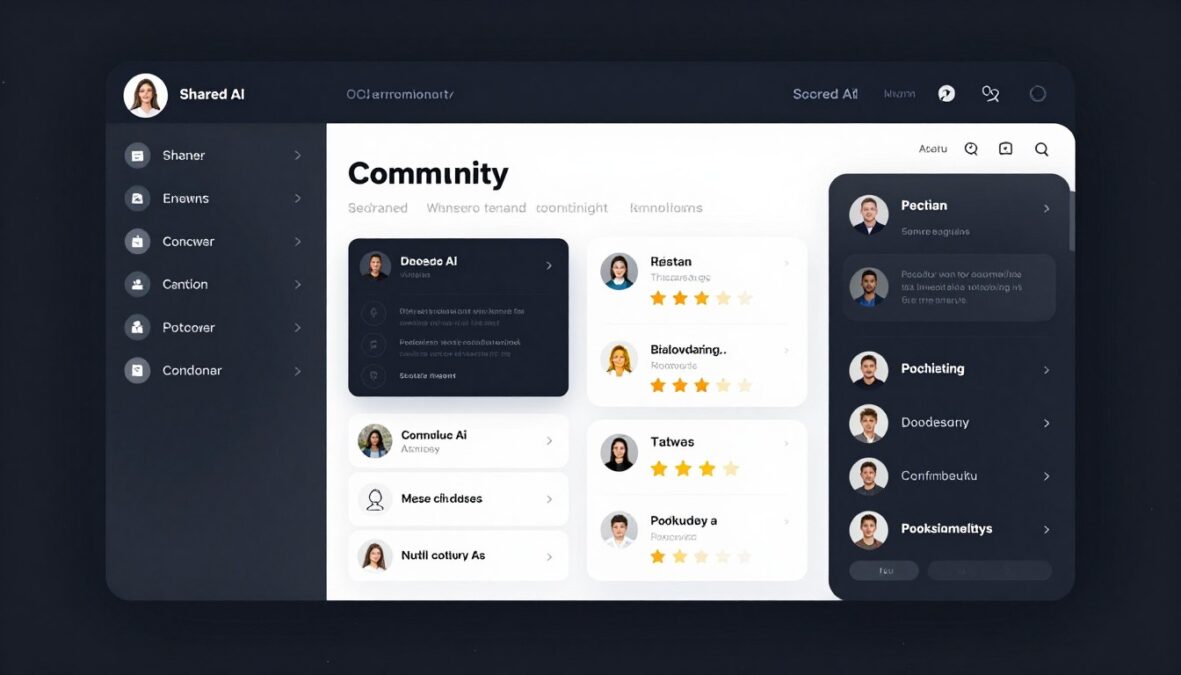
The godmode ai agent includes community-driven features that enhance the user experience. Users can share successful agent configurations and workflows with others. This collaborative approach accelerates the learning curve for new users.
Access to community-created templates provides starting points for common tasks. Business users can find pre-configured agents for market research, content creation, customer support, and other frequent applications. This resource library expands continuously as the community grows.
Experience Autonomous Automation
Discover how Godmode AI can transform your workflow with intelligent task automation. Start exploring the platform’s capabilities today.
How Godmode AI Agent Works: A Step-by-Step Process
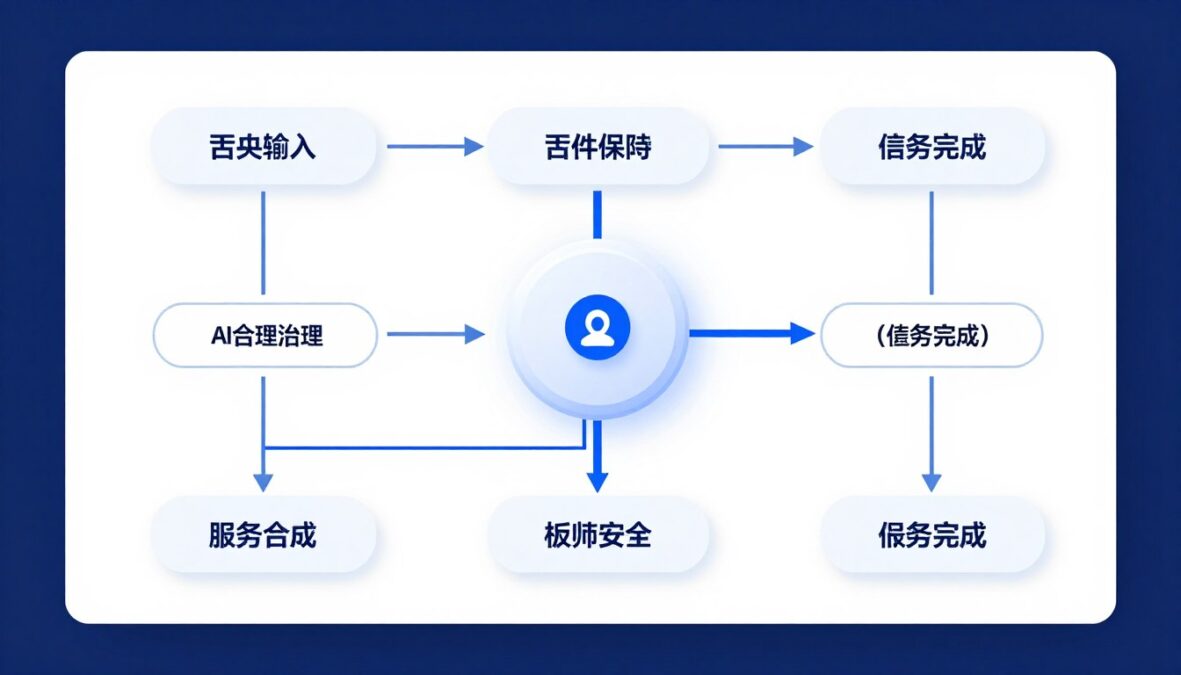
Understanding the operational mechanics of god mode AI helps users maximize its potential. The platform follows a systematic approach to task execution that combines artificial intelligence with strategic planning.
Initial Goal Definition and Analysis
The process begins when a user provides a goal or objective through the web interface. The agent receives this input and immediately begins analysis. Natural language processing capabilities allow the system to understand context, intent, and desired outcomes.
During this analysis phase, the autonomous agent identifies key requirements and potential challenges. It considers available resources, necessary tools, and optimal strategies. This preliminary assessment establishes the foundation for the entire workflow.
- User inputs goal or task description in natural language
- AI agent analyzes objective and identifies core requirements
- System evaluates available tools and resources needed
- Agent develops preliminary strategy and task breakdown
- Confirmation or refinement based on user preferences

Strategy Development and Task Breakdown
Once the goal is understood, the agent creates a detailed execution plan. Complex objectives get broken down into smaller, manageable sub-tasks. Each sub-task receives specific parameters and success criteria.
The platform determines the optimal sequence for task execution. Some processes can run in parallel, while others require sequential completion. The agent organizes these tasks for maximum efficiency and logical flow.
Tool Selection and Resource Allocation
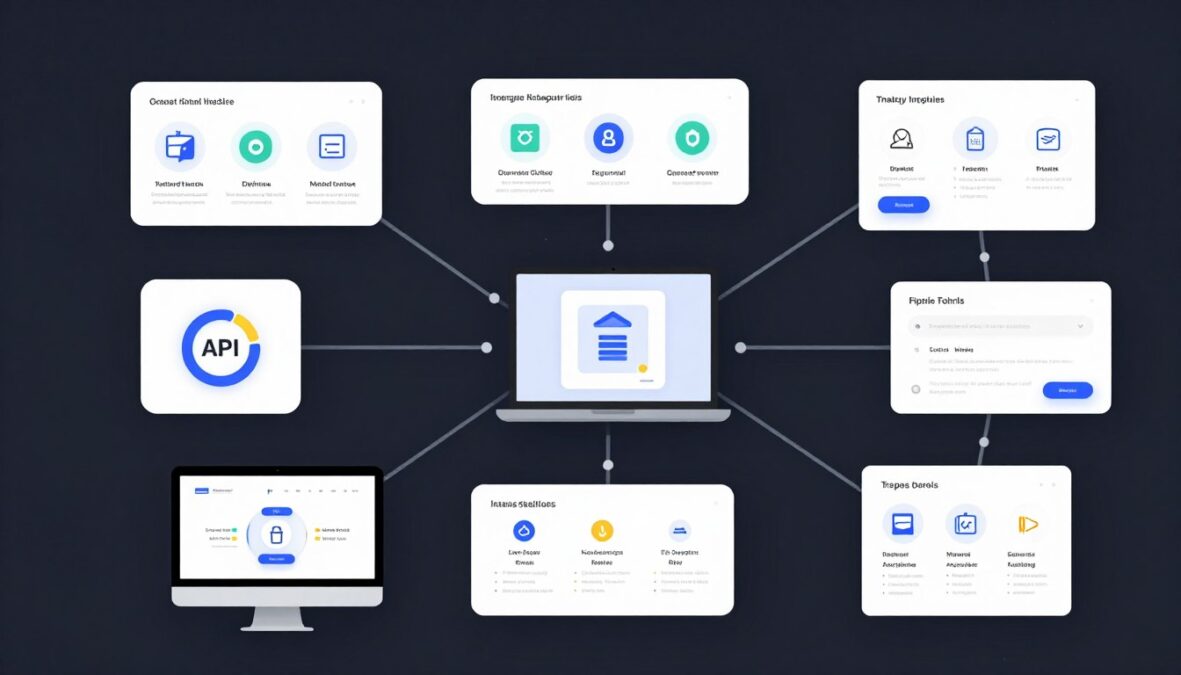
For each sub-task, the autonomous agent selects appropriate tools from its ecosystem. If research is needed, it accesses search engines and data sources. Content creation tasks trigger text generation capabilities. Code-related objectives activate programming environments.
This dynamic tool selection ensures optimal resource utilization. The agent doesn’t waste processing time using general tools when specialized capabilities exist. Different services integrate seamlessly as the workflow demands.
Execution and Adaptive Adjustment
The agent begins executing the planned workflow. Throughout this process, it monitors results and evaluates progress. When unexpected obstacles arise, the system adapts its approach automatically.
If a particular strategy proves ineffective, the agent tries alternative methods. This adaptive behavior mimics human problem-solving while operating at machine speed. The process continues until the goal is achieved or all viable options are exhausted.
Quality Control and Output Delivery
Before presenting results, the platform performs quality checks on generated outputs. The agent verifies that deliverables meet the original goal specifications. Inconsistencies or errors trigger additional processing to ensure accuracy.
Final results appear in the user interface in an organized, accessible format. Users can review the agent’s work, request modifications, or approve the completion. The entire process history remains available for transparency and learning purposes.
Godmode AI Agent Pricing Structure and Plans
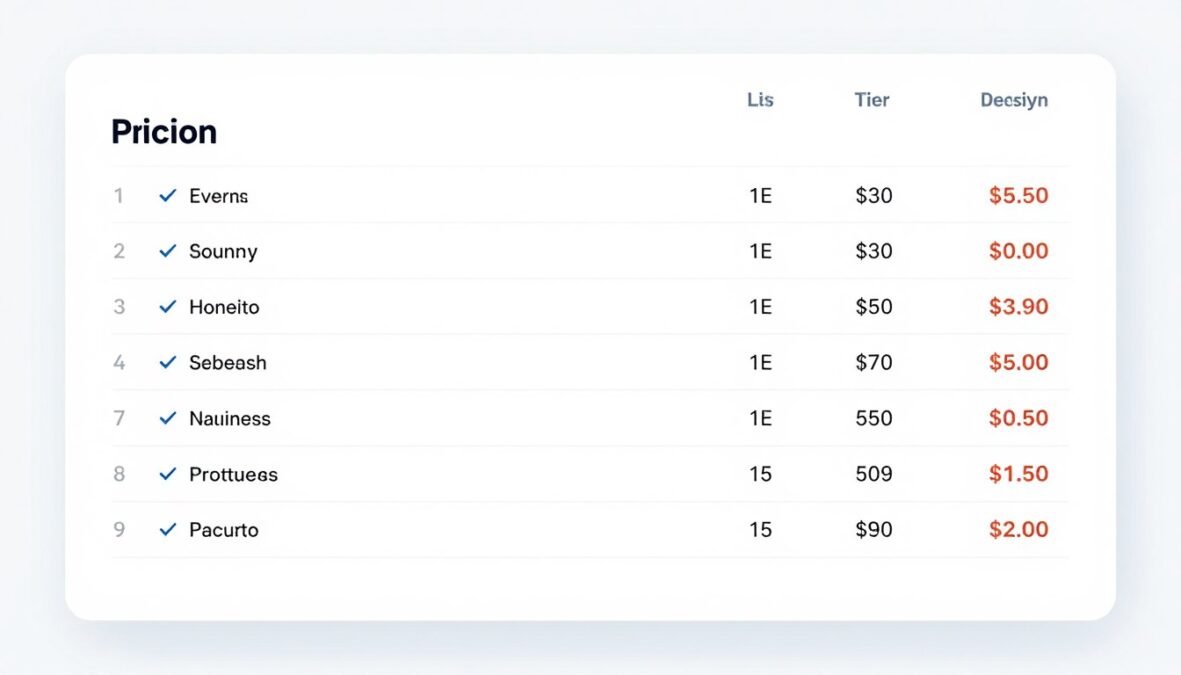
Understanding the cost structure helps potential users evaluate whether god mode AI fits within their budget and provides adequate value for their specific use case. The platform offers multiple access options designed to accommodate different user needs.
Free Access Tier
Godmode AI provides a free access tier that allows users to explore basic functionality. This option enables experimentation with autonomous agents without financial commitment. The free tier includes limited task executions per month and access to core features.
New users can test the platform’s capabilities and determine if the tool meets their workflow requirements. This approach reduces barrier to entry and allows for informed decision-making before upgrading to paid plans.
Free Tier
Limited monthly task executions
- Basic autonomous agent access
- Core tool integrations
- Community template access
- Standard processing speed
Pro Plan
Enhanced capabilities for regular users
- Increased task limit
- Priority processing
- Advanced tool ecosystem
- Extended context memory
- Premium support access
Enterprise
Custom solutions for organizations
- Unlimited task execution
- Dedicated resources
- Custom integrations
- Team collaboration tools
- SLA guarantees
Premium Features and Business Plans
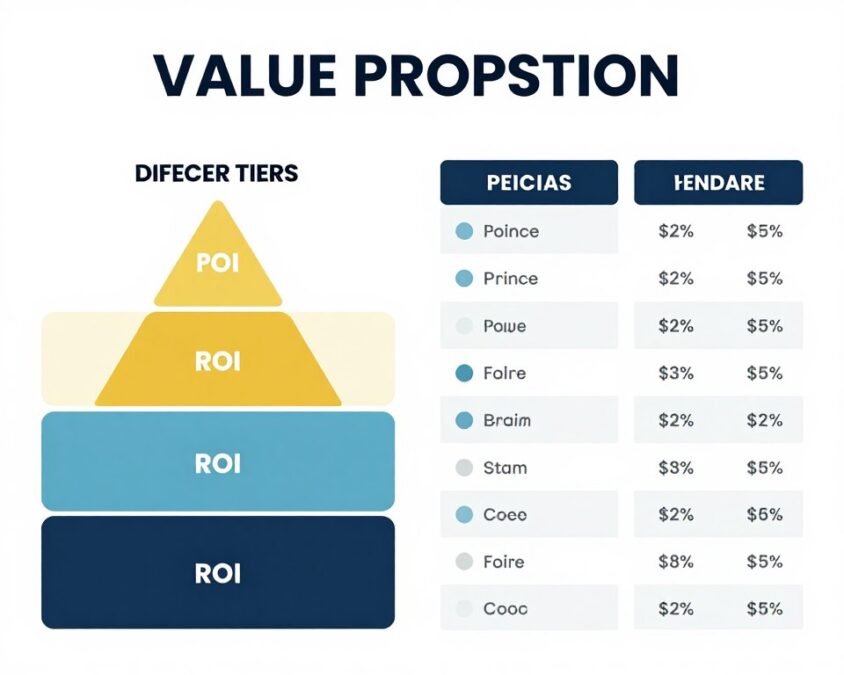
Paid subscription tiers unlock advanced capabilities and remove usage limitations. These plans cater to business users, developers, and power users who require extensive automation. Enhanced processing power, faster execution times, and priority support characterize premium offerings.
Business plans include additional collaboration features for teams. Multiple users can share access, collaborate on agent configurations, and manage organizational workflows centrally. These features prove valuable for companies implementing AI automation at scale.
Value Assessment and ROI Considerations
When evaluating pricing, users should consider time savings and productivity gains. An autonomous agent that eliminates hours of manual work each week often justifies its cost through labor savings alone. The platform’s ability to handle multiple tasks simultaneously amplifies this value.
Organizations replacing multiple specialized tools with a unified god mode AI platform may realize additional cost savings. Consolidating various automation, research, and content creation tools into a single subscription reduces overall software expenses.
User Experience and Interface Design
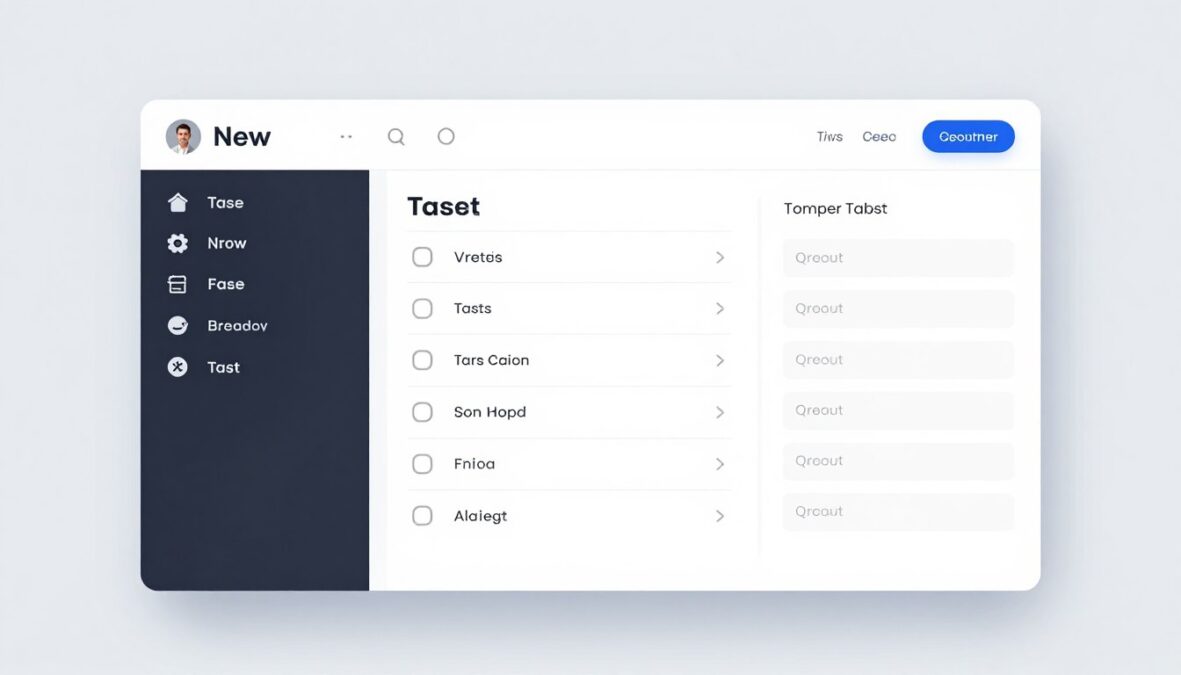
The quality of user experience directly impacts how effectively people can leverage the godmode ai agent capabilities. A well-designed interface makes powerful AI accessible to users regardless of technical expertise.
Interface Accessibility and Learning Curve
The web platform features a clean, intuitive design that prioritizes ease of use. New users encounter a streamlined onboarding process that explains core concepts without overwhelming detail. The user-friendly interface guides people through their first autonomous agent deployment.
Navigation remains straightforward throughout the platform. Primary functions occupy prominent positions in the interface. Advanced features become accessible as users gain familiarity, preventing initial confusion while preserving powerful capabilities for experienced users.
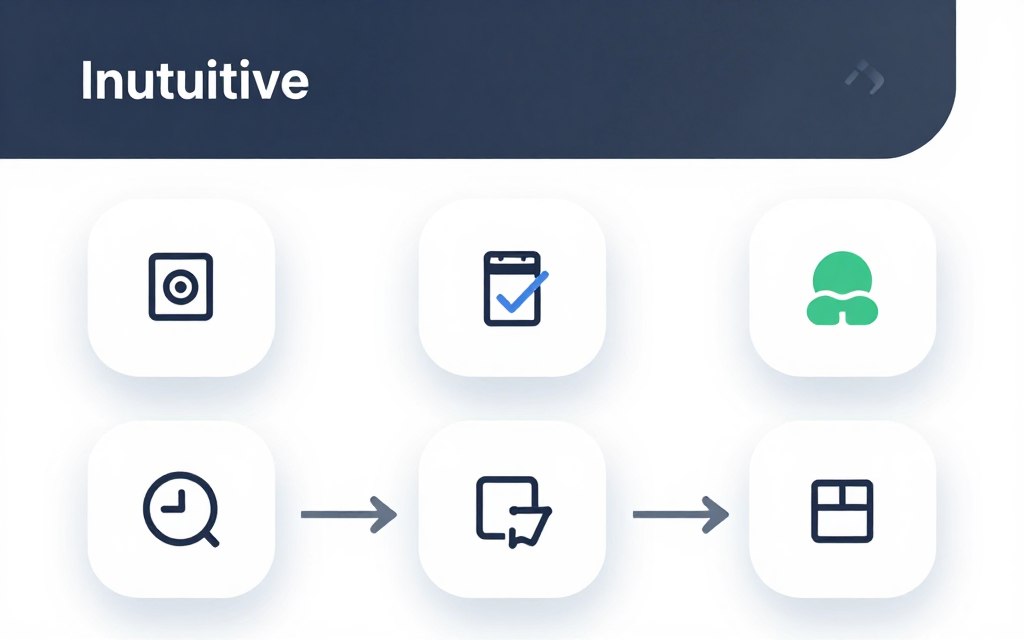
The learning curve for basic operations proves minimal. Users familiar with chat interfaces can immediately begin creating simple autonomous agents. More complex applications become approachable through example templates and community resources.
Workflow Management and Task Monitoring
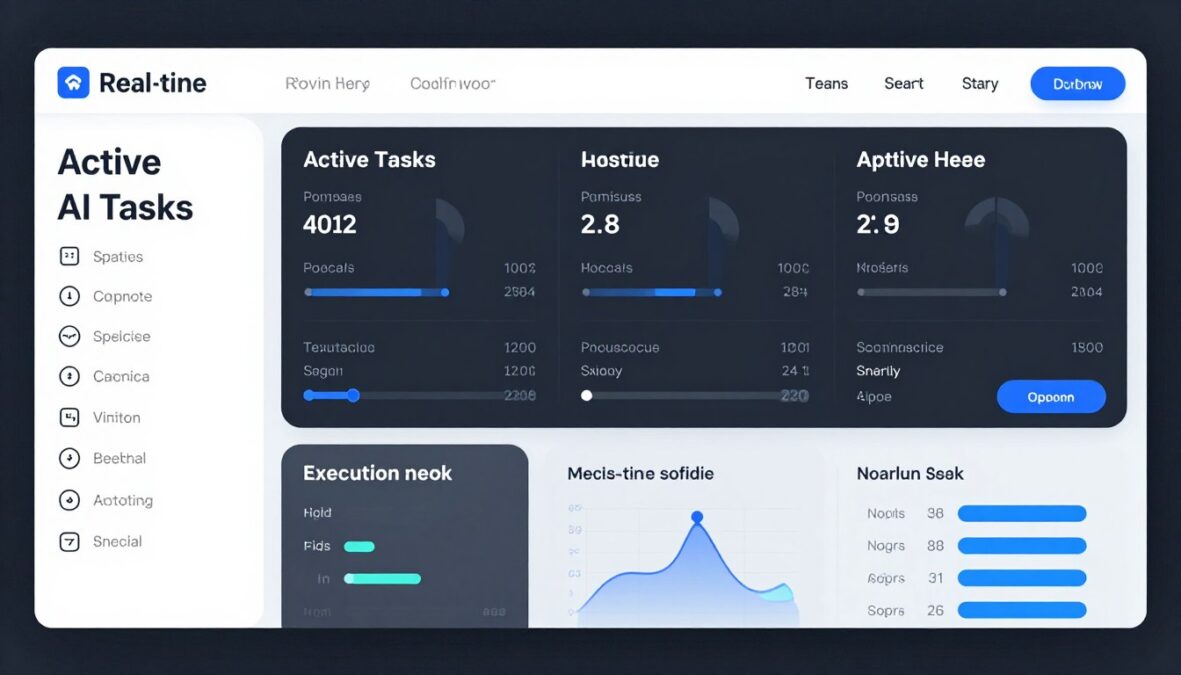
The platform provides comprehensive tools for tracking agent progress. Users can monitor ongoing tasks in real-time, viewing each step as the autonomous agent executes its workflow. This transparency builds confidence and enables intervention if needed.
Historical task records remain accessible for review and analysis. Users can examine previous agent executions to understand decision-making processes. This feature supports learning and helps optimize future workflows based on past performance.
Dashboard Features
- Real-time task execution monitoring
- Historical performance analytics
- Resource usage tracking
- Quick access to templates
- Saved configuration management
Customization Options
- Personalized workspace layouts
- Custom agent configurations
- Notification preferences
- Integration settings
- Theme and display options
Mobile and Cross-Platform Experience
As a web-based platform, god mode AI remains accessible across devices. Users can initiate tasks from desktop computers and check progress on mobile devices. The responsive design adapts to different screen sizes while maintaining functionality.
This cross-platform accessibility supports modern work patterns. Business professionals can start automation workflows from the office and monitor results while traveling. The consistent experience across devices eliminates friction in the user journey.
Support and Documentation Quality
Comprehensive documentation supports the user experience. Detailed guides explain features, provide use case examples, and offer troubleshooting assistance. The support resources accommodate different learning styles through text tutorials, video content, and interactive examples.
Community forums supplement official documentation. Users share tips, strategies, and custom configurations. This peer-to-peer support accelerates problem-solving and inspires creative applications of the platform.
Performance Analysis and Accuracy Assessment
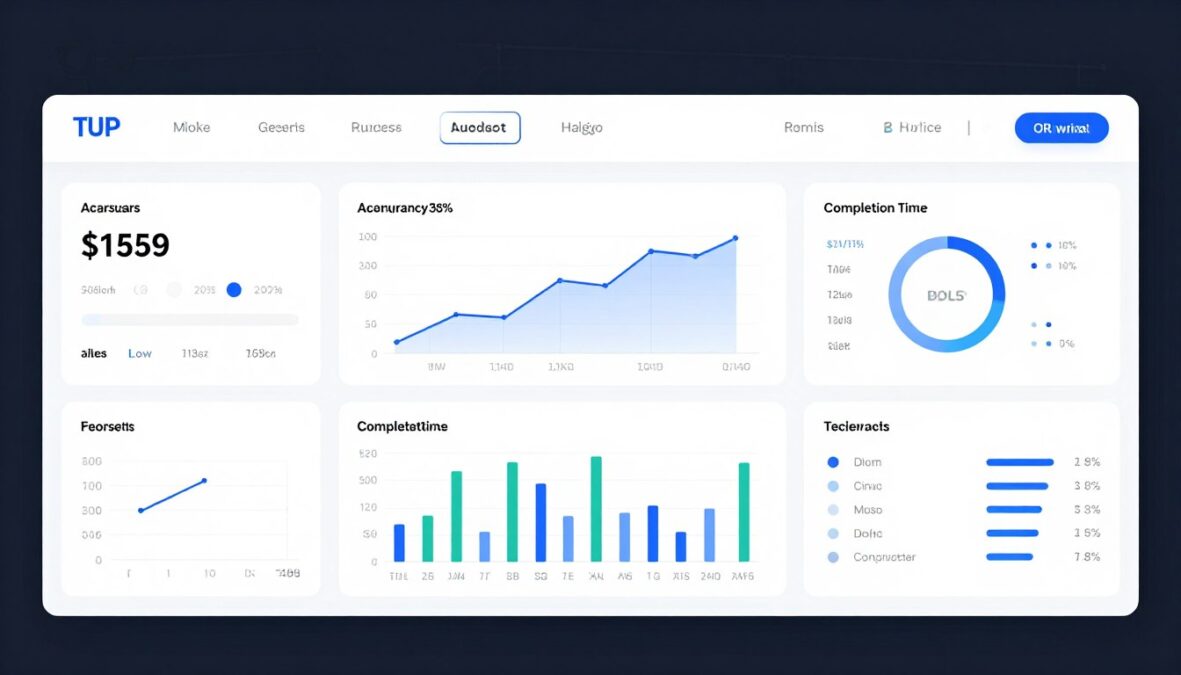
The practical value of any autonomous agent platform depends on its performance reliability and output accuracy. Users need confidence that delegated tasks will be completed correctly and efficiently.
Task Completion Success Rates
Godmode AI demonstrates strong performance across common use cases. Well-defined goals with clear success criteria typically achieve high completion rates. The agent excels at tasks involving information gathering, content generation, and structured data processing.
Performance varies based on task complexity and specificity. Simple, focused objectives consistently yield successful outcomes. More ambitious goals requiring creative problem-solving or subjective judgment may require human review and refinement.
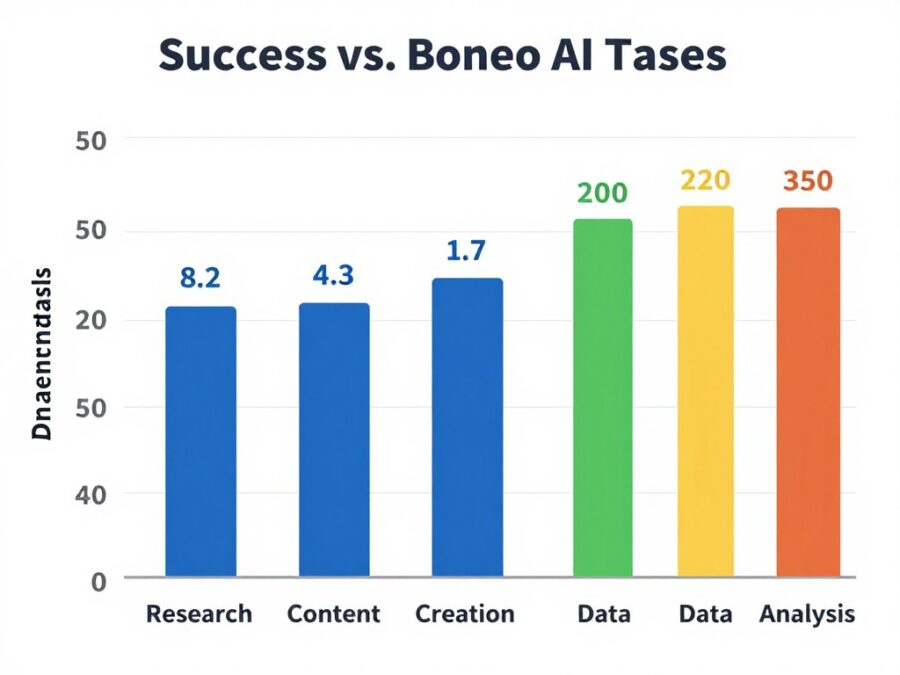
The autonomous agent handles technical tasks with particular effectiveness. Code generation, API integration, and data manipulation benefit from the platform’s systematic approach. These structured processes align well with the agent’s logical decision-making capabilities.
Speed and Efficiency Metrics
Processing speed represents a significant advantage of god mode AI. Tasks that might take humans hours or days can be completed in minutes. The agent works continuously without breaks, maintaining consistent output velocity.
Efficiency gains multiply when handling repetitive tasks or large-scale operations. A single autonomous agent can process hundreds of similar items using consistent criteria. This capability proves valuable for data analysis, content categorization, and batch processing applications.
- Research tasks: 5-15 minutes average completion time
- Content generation: 10-30 minutes depending on length and complexity
- Data analysis: Varies based on dataset size and processing requirements
- Multi-step workflows: 15-60 minutes for comprehensive processes
Output Quality and Accuracy
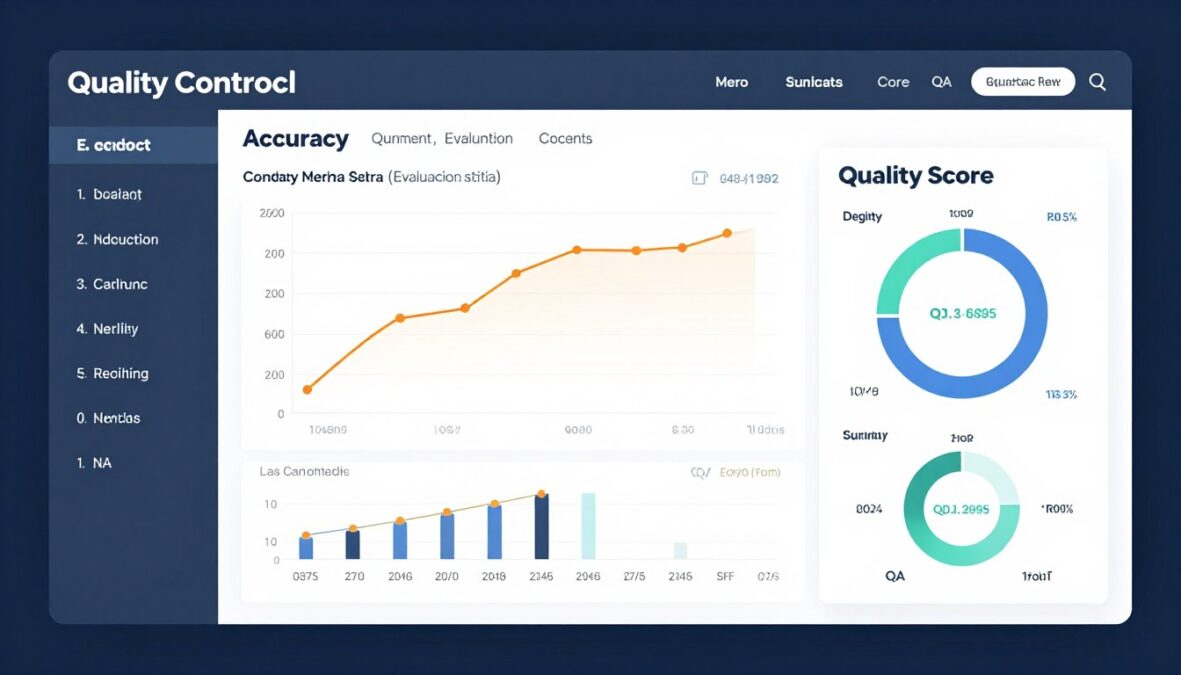
The quality of generated outputs typically meets professional standards for most business applications. Content creation produces coherent, well-structured material that requires minimal editing. Research summaries accurately capture key information from source materials.
However, output quality depends significantly on input quality. Clear, specific goals produce better results than vague instructions. Users who invest time in goal definition and provide adequate context receive superior outputs.
The platform based latest language models occasionally produces factual errors or outdated information. Users should verify critical facts, especially for time-sensitive or high-stakes applications. This verification requirement doesn’t differ substantially from reviewing human-generated work.
Reliability and Consistency
God mode AI maintains consistent performance across sessions. The same input typically produces similar outputs, though natural variation exists due to the probabilistic nature of AI models. This consistency allows users to develop reliable workflows.
System uptime and availability meet industry standards for web-based platforms. Occasional maintenance windows occur but rarely disrupt regular usage patterns. The platform’s web architecture ensures access remains available across geographic regions.
Practical Use Cases and Applications

Understanding specific applications helps potential users identify how the godmode ai agent might serve their particular needs. The platform’s versatility enables solutions across numerous industries and workflow types.
Business Intelligence and Market Research
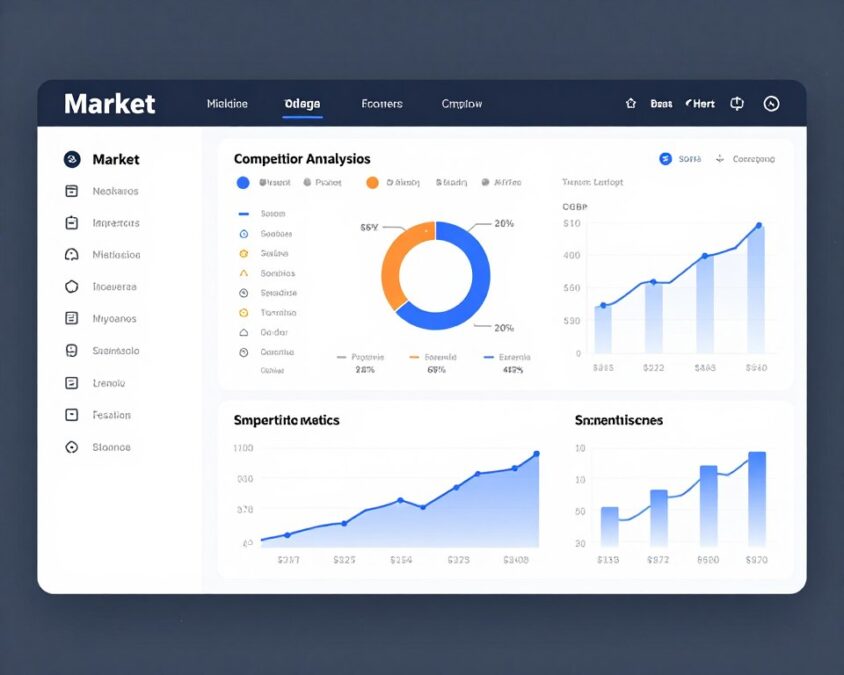
Organizations leverage god mode AI for comprehensive market analysis. The autonomous agent can gather competitor information, analyze industry trends, and synthesize findings into actionable reports. This process automation reduces research time from weeks to hours.
The platform excels at aggregating data from multiple sources. It can monitor news feeds, track social media sentiment, and compile statistical information. Business users receive consolidated intelligence without manual data collection.
Research Applications
- Competitive landscape analysis and monitoring
- Industry trend identification and forecasting
- Customer sentiment analysis from reviews and feedback
- Product opportunity assessment
- Regulatory environment tracking
Content Creation and Marketing Automation
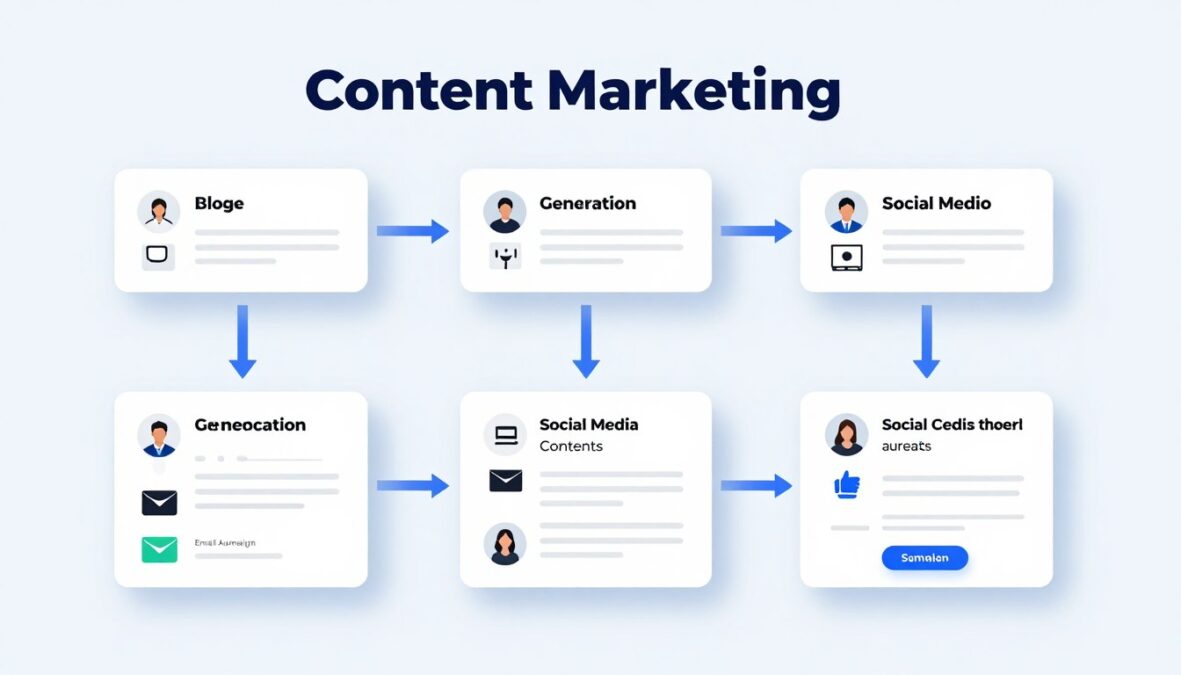
Marketing teams utilize the platform for scalable content production. The agent generates blog posts, social media content, email campaigns, and product descriptions. This automation capability allows small teams to maintain content output comparable to larger organizations.
The tool supports various content formats and styles. Users can specify tone, audience, and format requirements. The autonomous agent adapts its approach accordingly, producing content that aligns with brand guidelines.
Software Development and Technical Applications
Developers use god mode AI to accelerate coding tasks. The agent can generate code snippets, debug existing programs, and create documentation. Integration with development tools extends its utility within technical workflows.
The platform assists with API integrations and data processing scripts. Technical users appreciate the ability to describe desired functionality in natural language rather than writing every line of code manually. This approach speeds prototyping and reduces development time.
Customer Support and Service Automation
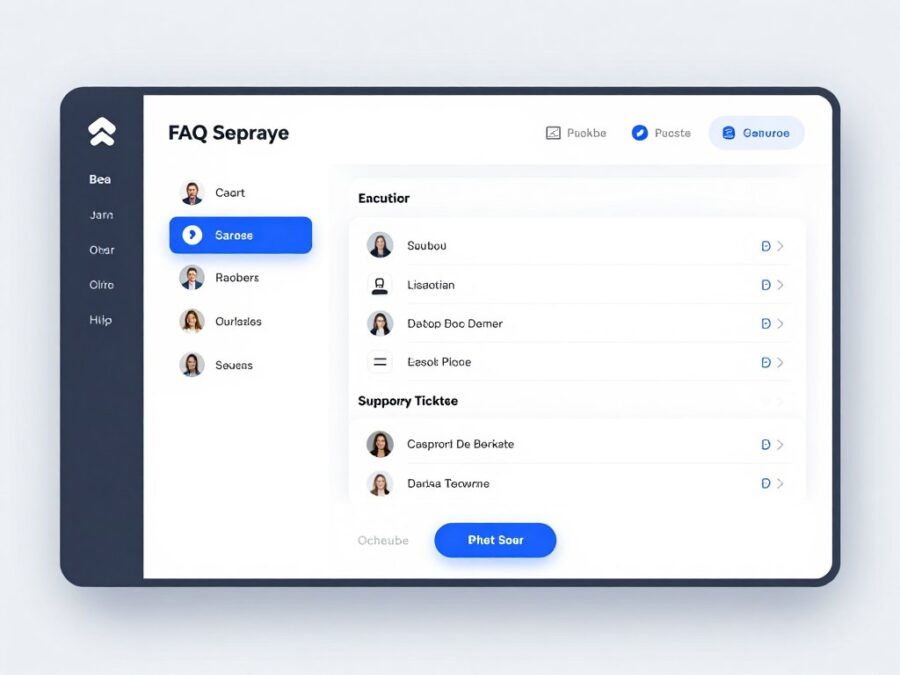
Customer service operations implement autonomous agents for response generation and ticket categorization. The platform analyzes customer inquiries and drafts appropriate responses. Human agents review these drafts before sending, improving response time while maintaining quality.
FAQ generation and knowledge base creation benefit from the agent’s research and synthesis capabilities. The platform can review support tickets, identify common questions, and create comprehensive documentation. This automation keeps help resources current with minimal manual effort.
Data Analysis and Reporting
Analytics teams leverage the godmode ai agent for data interpretation tasks. The platform can process datasets, identify patterns, and generate insights. Complex statistical analysis becomes accessible to users without advanced data science expertise.
Automated report generation saves significant time for recurring analytics tasks. The agent can compile data, create visualizations, and draft narrative explanations. Business stakeholders receive regular intelligence updates without consuming analyst resources.
Apply These Strategies to Your Workflow
See how Godmode AI can automate your specific business processes. Explore use cases relevant to your industry and start implementing AI-driven solutions.
Advantages and Limitations of Godmode AI Agent

Every platform presents both strengths and limitations. A balanced evaluation helps potential users set realistic expectations and determine if god mode AI aligns with their specific requirements.
Advantages
- Autonomous Operation: The agent works independently after receiving initial goals, minimizing required user intervention and enabling true task delegation
- Time Savings: Complex processes that would take hours manually can be completed in minutes through intelligent automation
- Versatile Applications: The platform handles diverse tasks across research, content creation, analysis, and technical development
- Ecosystem Integration: Access to multiple tools and services expands capabilities beyond single-purpose AI applications
- Accessible Interface: The user-friendly design makes advanced AI accessible to non-technical users without extensive training
- Continuous Learning: The agent improves performance over time by learning from successful task completions
- Cost Efficiency: Free tier availability and competitive pricing make automation accessible to individuals and small businesses
- Scalability: The platform handles both individual tasks and large-scale batch processing equally well
- Community Resources: Shared templates and configurations accelerate implementation for common use cases
- Web-Based Access: No installation required, works across devices and platforms with internet connectivity
Limitations
- Accuracy Concerns: Generated outputs may contain factual errors requiring human verification, especially for critical applications
- Learning Curve for Complex Tasks: While basic operations are intuitive, advanced use cases require time to master effectively
- Limited Creativity: The agent excels at structured tasks but may struggle with highly creative or subjective work
- Dependency on Input Quality: Vague or poorly defined goals produce unsatisfactory results, requiring skill in prompt formulation
- Processing Limitations: Free tier restrictions may prove insufficient for users with extensive automation needs
- Internet Requirement: As a web platform, functionality depends entirely on stable internet connectivity
- Context Limitations: The agent may lose context in extremely long or complex multi-stage processes
- Variable Performance: Success rates vary significantly based on task type and complexity
- Support Response Times: Community-based support may not provide immediate assistance for urgent issues
- Privacy Considerations: Users must trust the platform with potentially sensitive business information and data
Ideal User Profiles
The godmode ai agent serves certain user groups particularly well. Small business owners seeking automation without technical staff benefit significantly. The platform enables sophisticated workflows previously accessible only to larger organizations with dedicated IT resources.
Content creators and marketing professionals find value in the scalable production capabilities. The agent handles routine content tasks, freeing human creativity for strategic and high-value work. This division of labor maximizes both efficiency and quality.
Developers and technical users appreciate the code generation and API integration features. The platform accelerates development cycles and reduces time spent on repetitive programming tasks. Integration with existing development workflows proves straightforward.
Situations Requiring Caution
Users should exercise caution when applying god mode AI to tasks requiring absolute accuracy. Financial calculations, legal documentation, and medical information demand human oversight. The agent serves best as an assistant rather than replacement in these contexts.
Highly creative work requiring original thinking may exceed current capabilities. While the platform generates competent content, breakthrough creative concepts typically still originate from human minds. The agent excels at execution more than innovation.
How Godmode AI Compares to Alternative Solutions
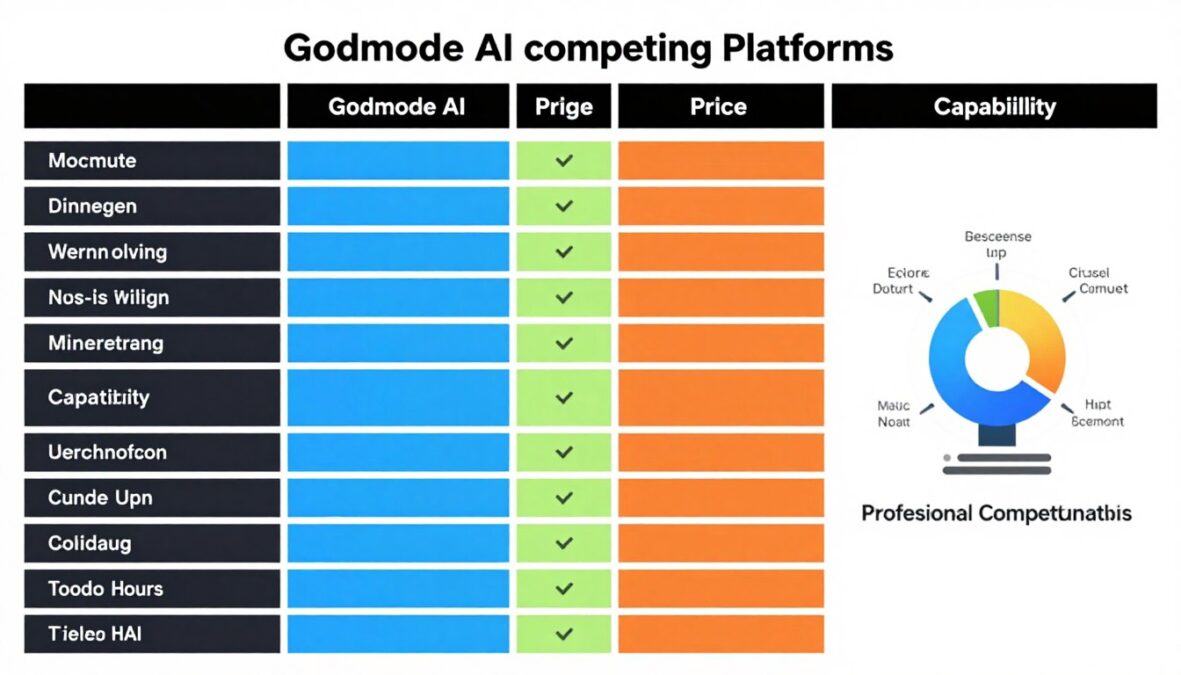
The autonomous agent market includes several competing platforms. Understanding how god mode AI positions relative to alternatives helps users make informed technology decisions.
Comparison with Traditional AI Chatbots
Standard AI chatbots like ChatGPT require manual prompting for each action. Users must break down complex tasks themselves and request each step individually. Godmode AI differentiates through autonomous operation that handles multi-step processes independently.
Traditional chatbots excel at conversational interaction and immediate responses. They provide more control over each step but demand more user involvement. The choice between approaches depends on whether users prefer hands-on guidance or delegation.
| Feature | Godmode AI | Traditional Chatbots | Specialized Tools |
| Autonomous Operation | Yes – Multi-step workflows | No – Step-by-step prompting | Limited – Task-specific |
| Tool Integration | Extensive ecosystem | Basic or none | Deep but narrow |
| Learning Curve | Moderate | Low | Varies |
| Use Case Flexibility | Very High | High | Low |
| Output Quality | Good to Excellent | Good | Excellent in specialty |
| Pricing | Free tier + Premium | Free or Subscription | Usually Premium |
Positioning Against Specialized Automation Tools
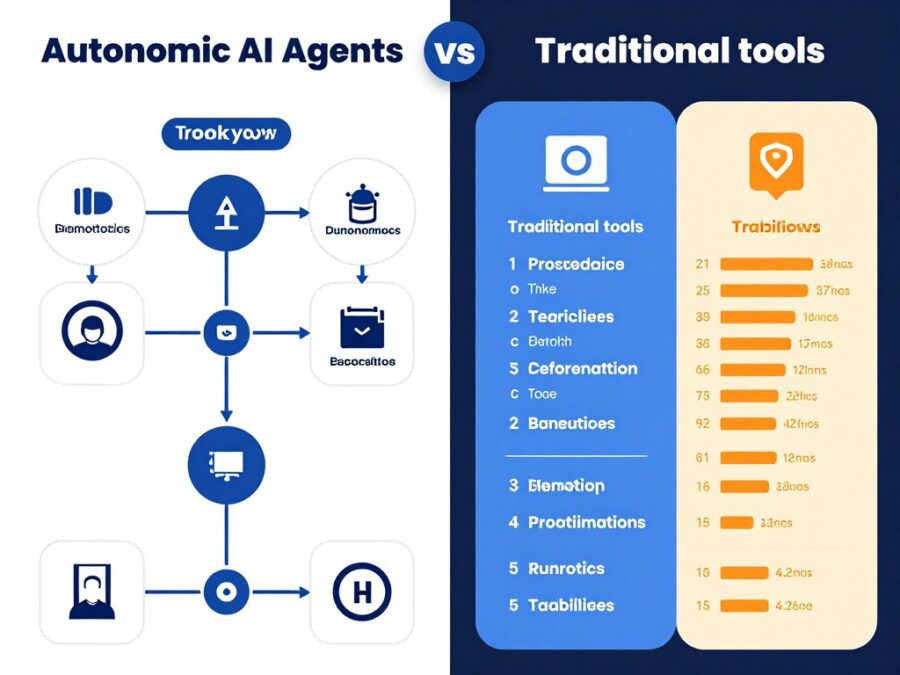
Industry-specific automation platforms offer deep functionality within narrow domains. Marketing automation tools, for example, provide sophisticated campaign management but limited flexibility outside that realm. Godmode AI trades some specialization for broad applicability.
The generalist approach benefits users with diverse needs across multiple business functions. Instead of subscribing to separate tools for content creation, research, and data analysis, one platform handles all applications. This consolidation simplifies workflows and reduces software costs.
Specialized tools may still prove superior for users with focused requirements. A professional video production team needs dedicated video editing software. An accounting department requires purpose-built financial systems. God mode AI complements rather than replaces these specialized applications.
Value Proposition Analysis
The platform’s value emerges most clearly for small-to-medium organizations and individual professionals. These users gain enterprise-level automation capabilities without enterprise-level costs. The accessibility democratizes AI technology previously available only to well-funded operations.
Larger organizations may find value in specific use cases while maintaining specialized tools for core functions. The godmode ai agent serves well for experimental projects, one-off research tasks, and supplementary automation. Integration with existing systems determines overall fit.
Getting Started with Godmode AI Agent
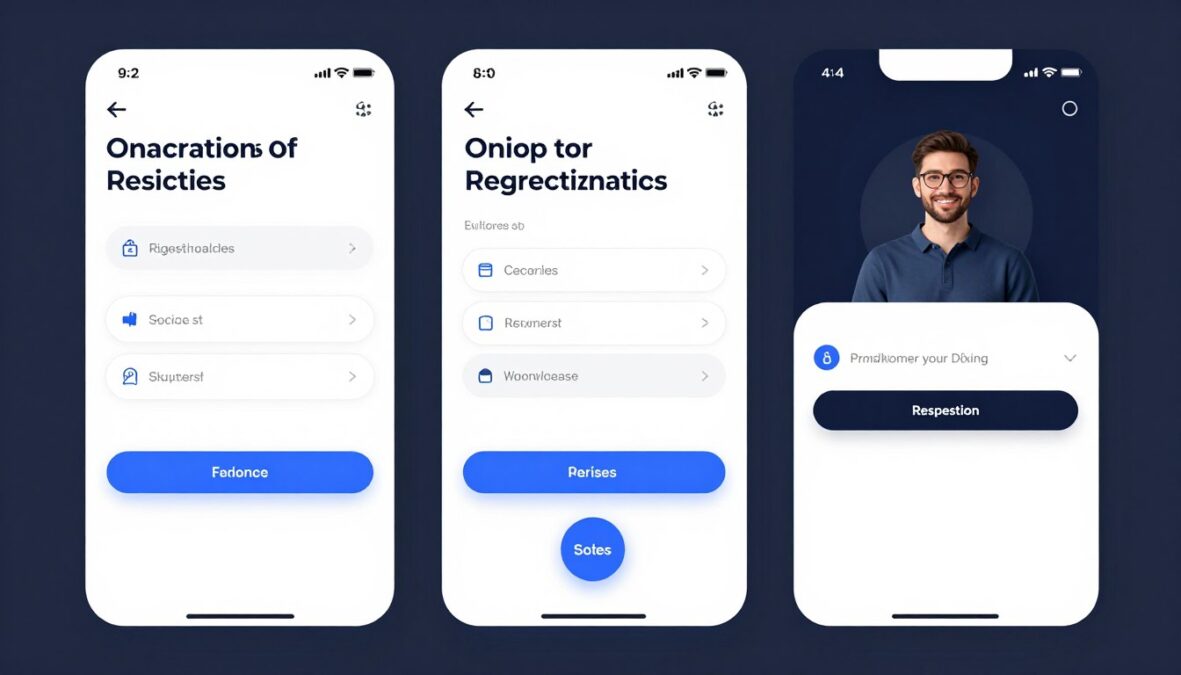
Beginning with a new autonomous agent platform can feel overwhelming. This practical guide walks through the essential steps for successful implementation and early wins.
Initial Setup and Account Creation
Access to the platform begins with visiting the official web interface. New users create accounts through a straightforward registration process. Email verification ensures security while maintaining ease of access.
The free tier activates immediately upon account creation. Users can begin experimenting with basic features without payment information. This try-before-you-buy approach reduces friction and allows genuine evaluation.
- Navigate to the Godmode AI web platform
- Complete registration with email and basic information
- Verify email address through confirmation link
- Review onboarding tutorial and sample workflows
- Access dashboard and begin first autonomous agent task

Creating Your First Autonomous Agent
Starting with simple, well-defined goals produces the best learning experience. New users should avoid complex multi-stage processes initially. A focused research task or basic content generation provides manageable first projects.
The interface guides users through goal definition. Clear prompts help structure objectives effectively. Examples and templates offer starting points for common task types. Following these patterns builds familiarity with the platform’s expectations.
Recommended First Projects
- Competitive research on a specific topic or company
- Blog post outline generation for a defined subject
- FAQ compilation from existing documentation
- Data summarization from provided sources
- Simple code snippet generation for specific functions
Best Practices for Goal Definition
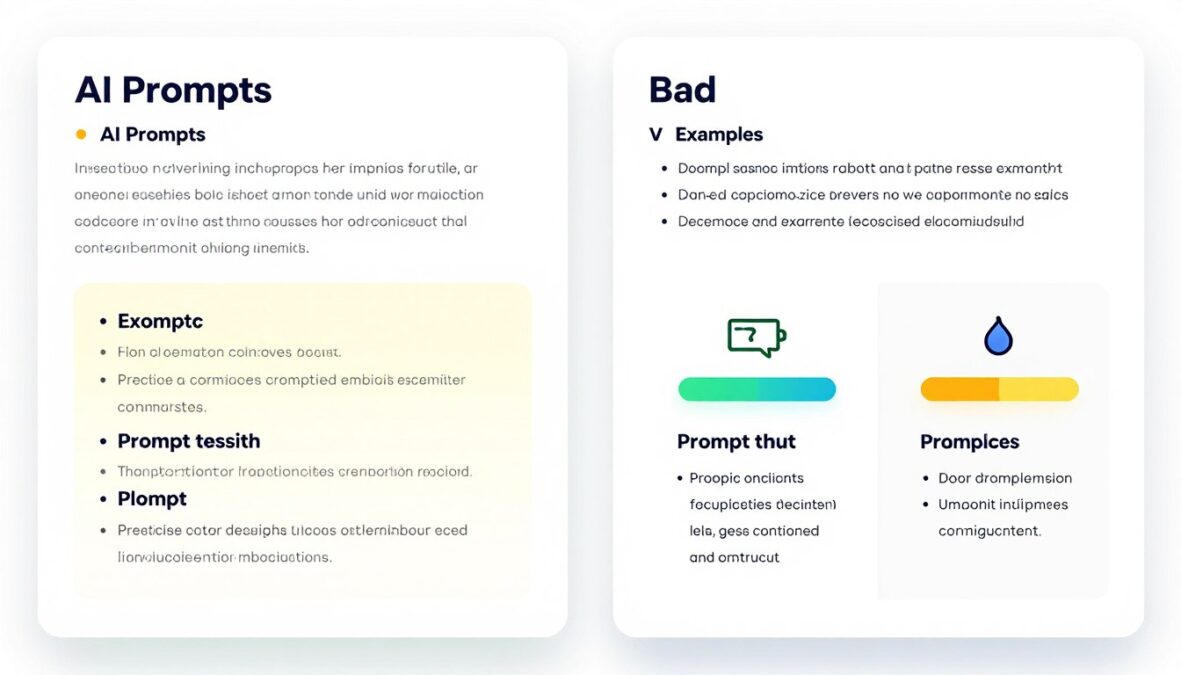
Effective goal articulation directly impacts output quality. Specific objectives produce better results than vague requests. Including context, constraints, and desired format improves the agent’s understanding and execution.
Users should specify the target audience, tone, and any particular requirements. If research needs to focus on recent information, stating that time constraint helps. Format preferences for outputs should be included upfront rather than during revision.
Example Effective Goal: “Research the top five market trends in electric vehicles for 2025, focusing on consumer preferences. Create a 500-word summary suitable for marketing professionals, with data citations where available.”
Ineffective Goal: “Tell me about electric vehicles.”
Monitoring Progress and Refining Outputs
The platform allows real-time monitoring as autonomous agents work. Users can observe each step the agent takes. This transparency helps build trust and understanding of the process.
Initial outputs rarely require zero editing. Users should expect to refine agent-generated work. The platform supports iterative improvement through follow-up prompts and modification requests. This collaborative approach produces optimal final results.
Leveraging Community Resources
The god mode AI community provides valuable learning resources. Experienced users share successful agent configurations and workflow strategies. Browsing these examples accelerates the learning process significantly.
Active participation in community discussions answers common questions. Users encountering challenges often find others have solved similar problems. This peer support complements official documentation effectively.
Advanced Features and Power User Capabilities
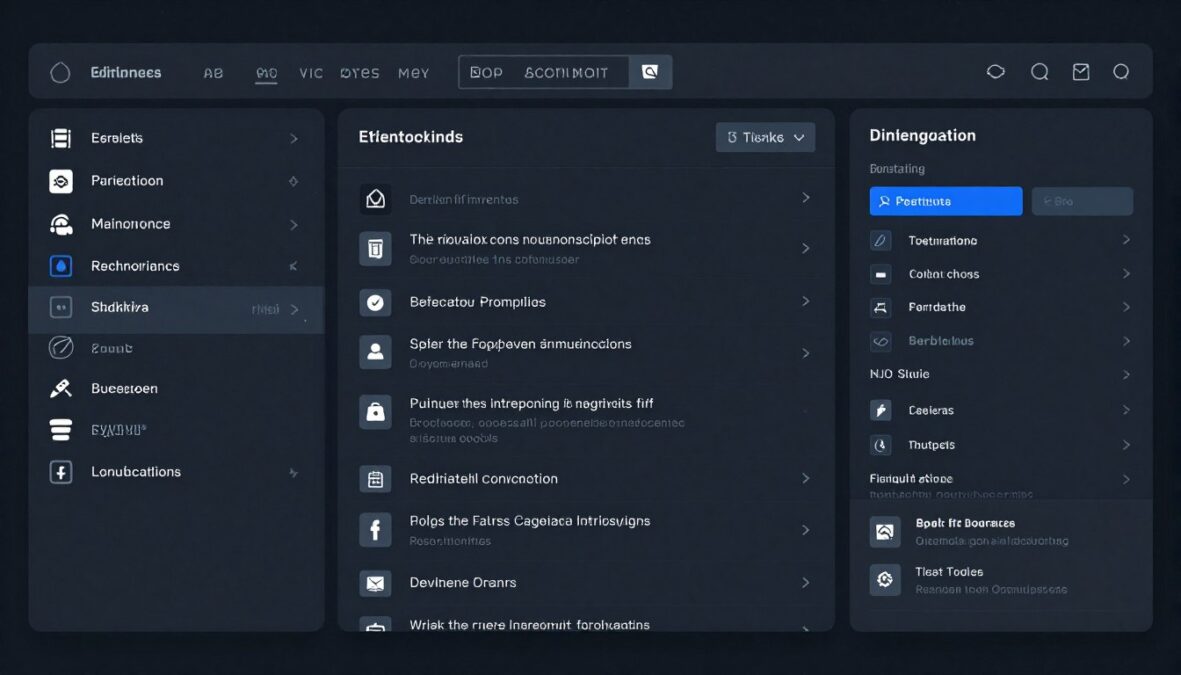
Beyond basic autonomous agent deployment, the platform offers sophisticated capabilities for experienced users. These advanced features unlock additional value for those willing to invest time in mastery.
Custom Workflow Creation and Optimization
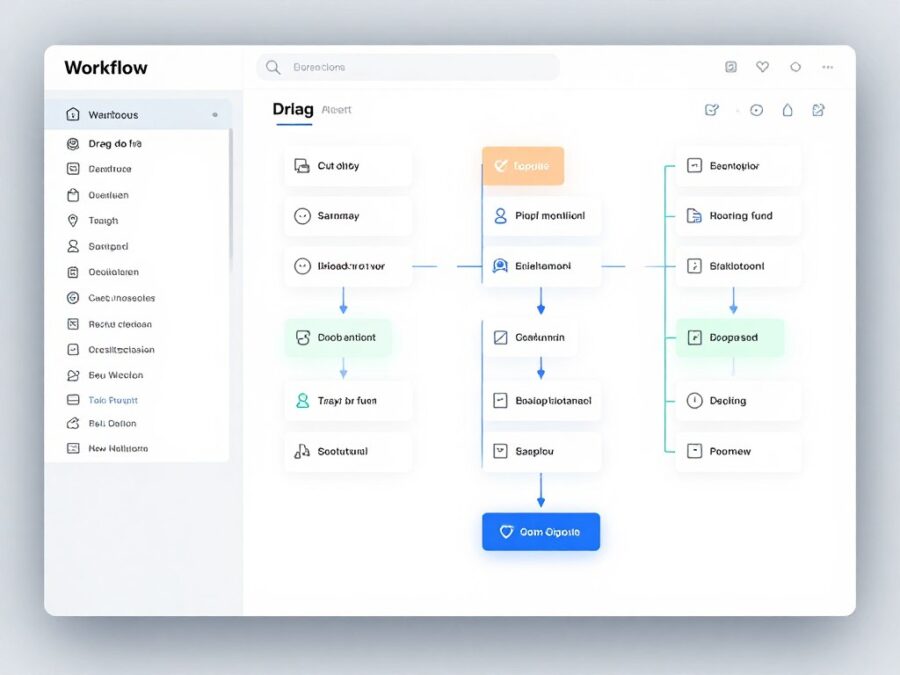
Power users develop custom workflows tailored to recurring business processes. These saved configurations enable one-click execution of complex multi-step operations. The time invested in workflow development pays dividends through repeated use.
Workflow optimization involves analyzing agent execution patterns and refining strategies. Users identify bottlenecks, unnecessary steps, or opportunities for parallel processing. These refinements improve both speed and output quality over time.
Integration with External Tools and APIs
Advanced users connect god mode AI with proprietary systems and databases. API integration extends the agent’s capabilities into organization-specific environments. This connectivity enables automation of internal processes beyond public data and tools.
Technical implementation requires some programming knowledge. However, the platform’s documentation provides code examples and integration guides. Developers can establish connections between the autonomous agent and existing business systems.
Team Collaboration and Shared Resources
Business plan subscribers access collaboration features designed for teams. Multiple users share agent configurations, templates, and best practices within their organization. This knowledge sharing prevents redundant work and maintains consistency.
Permission controls allow administrators to manage access levels. Some team members might deploy agents while others only review outputs. This flexibility supports various organizational structures and workflow requirements.
Analytics and Performance Tracking
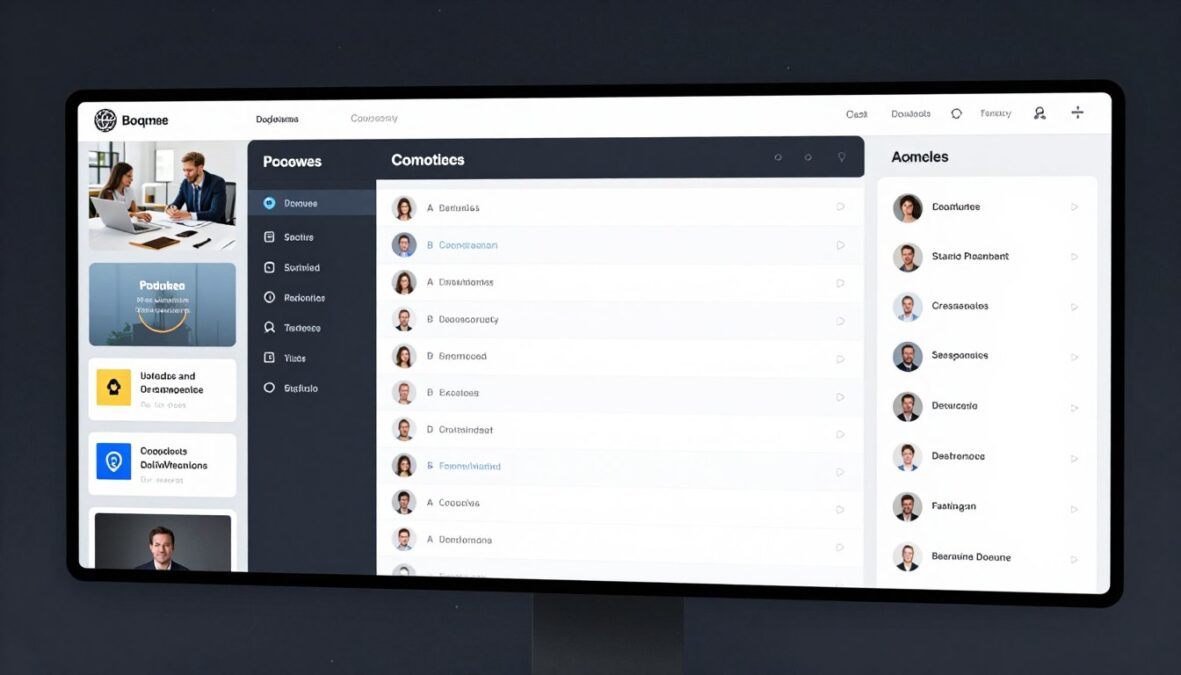
Advanced analytics reveal usage patterns and performance metrics. Organizations can assess which autonomous agents deliver the greatest value. This data-driven approach guides resource allocation and prioritization decisions.
Time savings metrics demonstrate ROI to stakeholders. Tracking hours saved through automation justifies platform investment. These measurements prove particularly valuable when evaluating expansion of AI use across departments.
Security and Privacy Considerations

When delegating tasks to any autonomous agent, users must consider data security and privacy implications. Understanding platform policies and protections helps organizations make informed risk assessments.
Data Handling and Storage Policies
The godmode ai agent processes user inputs and generated outputs through cloud infrastructure. Data transmitted to the platform receives encryption during transfer and storage. Standard security protocols protect information from unauthorized access.
Users should review the platform’s privacy policy to understand data retention practices. Some information may be retained for service improvement or compliance purposes. Organizations with strict data governance requirements must ensure policies align with internal standards.
Considerations for Sensitive Information
Business users working with confidential information should exercise appropriate caution. Avoid inputting trade secrets, personal customer data, or other highly sensitive material unless confident in platform security measures. Alternative approaches like data anonymization reduce risk.
Enterprise plans may offer additional security guarantees and compliance certifications. Organizations in regulated industries should verify that god mode AI meets their specific compliance requirements before implementation.
Access Control and Authentication
Account security depends partly on user practices. Strong passwords and two-factor authentication protect against unauthorized access. Organizations should enforce these security measures across all team members using the platform.
Regular access reviews ensure that only current employees maintain platform permissions. When team members leave, promptly revoking access prevents security gaps. These basic practices apply equally to god mode AI as to any business system.
Future Development and Platform Roadmap
The autonomous agent space evolves rapidly as AI technology advances. Understanding the platform’s development direction helps users anticipate future capabilities and plan long-term implementation strategies.
Planned Feature Enhancements
The development team continuously expands the tool ecosystem. New integrations with popular business applications appear regularly. These additions broaden the scope of tasks the godmode ai agent can handle autonomously.
Enhanced learning capabilities represent another development focus. Future versions may demonstrate improved performance on complex creative tasks. Advances in underlying AI models translate directly to better agent capabilities.
Community-Driven Development
User feedback influences the platform’s evolution significantly. The community proposes features, reports issues, and suggests improvements. This collaborative development approach ensures the platform addresses real user needs.
Popular community requests often appear in subsequent releases. Active users who engage with development discussions help shape god mode AI’s future. This participatory model benefits both the platform and its user base.
Industry Trends and Positioning
Autonomous agents represent one of the fastest-growing segments within AI applications. As businesses increasingly adopt automation, platforms like god mode AI gain strategic importance. Early adopters develop competitive advantages through enhanced productivity.
The trend toward no-code and low-code solutions aligns perfectly with the platform’s accessible design. Non-technical users gaining AI capabilities democratizes advanced technology. This accessibility shift transforms how organizations approach automation and intelligence.
Support Resources and Learning Materials
Successful platform adoption depends partly on available support and educational resources. God mode AI provides multiple channels for assistance and learning, accommodating different user preferences and needs.
Official Documentation and Guides
Comprehensive documentation covers all platform features and common use cases. Step-by-step tutorials guide users through various tasks and configurations. These official resources provide authoritative information about capabilities and best practices.
Video tutorials complement text documentation for visual learners. Screen recordings demonstrate agent creation, workflow optimization, and troubleshooting. This multimedia approach addresses diverse learning styles effectively.
Community Forums and Peer Support
Active community forums facilitate peer-to-peer assistance. Experienced users answer questions from newcomers, sharing insights from practical experience. This collaborative environment accelerates learning and problem-solving.
The community also serves as an inspiration source. Users showcase creative applications and share successful configurations. Browsing these examples sparks ideas for new automation opportunities.
How quickly can I see results with Godmode AI?
Most users complete their first successful autonomous agent task within 30 minutes of account creation. Simple research or content generation projects provide immediate value. More complex workflows require additional learning time but typically deliver results within the first week of use.
Does Godmode AI require coding knowledge?
No coding expertise is necessary for basic and intermediate use. The platform accepts natural language goals and handles technical execution automatically. Advanced users with programming skills can leverage additional capabilities through API integrations, but this remains optional.
Can I use Godmode AI for commercial projects?
Yes, the platform supports commercial use under all subscription tiers. Businesses can deploy autonomous agents for client work, internal processes, and revenue-generating applications. Review the terms of service for any specific restrictions or attribution requirements.
What happens if the agent produces incorrect information?
Like all AI systems, god mode AI occasionally generates inaccurate outputs. Users should verify critical information, especially for high-stakes applications. The platform functions best as an assistant that accelerates work rather than a replacement for human judgment and review.
How does Godmode AI handle privacy and data security?
The platform employs encryption for data transmission and storage. Standard cloud security practices protect user information. Organizations with specific compliance requirements should review the privacy policy and consider enterprise plans that may offer additional security guarantees.
Direct Support Channels
Paid subscribers access priority support through dedicated channels. Response times vary by subscription tier, with business plans receiving fastest assistance. Support teams handle technical issues, billing questions, and platform guidance.
The support experience generally receives positive user feedback. Representatives demonstrate knowledge of the platform and provide actionable solutions. As the user base grows, the company continues investing in support infrastructure to maintain service quality.
Final Verdict and Rating

Who Should Use Godmode AI Agent
The platform delivers exceptional value for specific user groups. Small business owners and entrepreneurs gain access to automation capabilities previously available only to larger organizations. The free tier and affordable pricing remove financial barriers to entry.
Content creators and marketing professionals benefit from scalable production capabilities. The autonomous agent handles routine tasks efficiently, freeing creative energy for strategic work. Time savings translate directly to increased output or improved work-life balance.
Developers and technical users appreciate code generation and API integration features. The platform accelerates development workflows without replacing core programming skills. It serves as a powerful assistant for technical professionals.
When to Consider Alternatives
Organizations requiring absolute accuracy for critical processes should exercise caution. Financial services, legal documentation, and medical applications demand reliability levels that autonomous agents cannot yet guarantee. Human oversight remains essential for high-stakes work.
Companies with deep specialization needs might find purpose-built tools more suitable. A professional video production company requires dedicated editing software. An accounting firm needs comprehensive financial management systems. God mode AI complements but doesn’t replace these specialized applications.
Users uncomfortable with cloud-based processing of sensitive data may prefer on-premise solutions. While the platform employs standard security measures, some organizations have strict data residency requirements that preclude external processing.
Overall Assessment
Godmode AI Agent represents a significant step forward in accessible AI automation. The platform successfully balances powerful capabilities with user-friendly design. Autonomous operation distinguishes it from traditional AI tools while maintaining approachability.
The extensive tool ecosystem and integration capabilities provide genuine versatility. Users can accomplish diverse tasks within a single platform, reducing software complexity and cost. This consolidation appeals particularly to small and medium-sized organizations.
Performance generally meets expectations for most business applications. While not perfect, the agent delivers valuable results that accelerate workflows and enhance productivity. The continuous learning approach suggests performance will improve over time.
“Godmode AI transforms how I approach research and content creation. What used to take days now takes hours. The autonomous operation means I can focus on strategy while the agent handles execution.”
The platform’s accessibility democratizes advanced AI capabilities. Non-technical users can implement sophisticated automation without extensive training. This ease of use represents perhaps the most significant value proposition.
Pricing remains competitive, especially considering the breadth of capabilities. The free tier allows genuine evaluation before financial commitment. Premium plans offer reasonable value for the features provided.
Some limitations exist around accuracy, creativity, and specialized applications. Users should maintain realistic expectations and implement appropriate verification processes. The tool works best as an assistant that amplifies human capabilities rather than a complete replacement.
Final Recommendation
For individuals and organizations seeking to enhance productivity through AI automation, Godmode AI Agent deserves serious consideration. The platform offers strong value across research, content creation, data analysis, and development applications.
New users should start with the free tier to evaluate fit with their specific workflows. Focus initially on simple, well-defined tasks to build familiarity. Gradually expand into more complex applications as confidence grows.
The autonomous agent market will continue evolving rapidly. Early adopters who develop expertise now position themselves advantageously for future AI-driven workflows. God mode AI provides an excellent entry point into this technology category.
Start with Godmode AI Today
Join thousands of users who have transformed their workflows with autonomous AI agents. Experience the power of intelligent automation for yourself.
Conclusion: Embracing the Future of AI Automation

The godmode ai agent represents more than just another AI tool. It embodies a fundamental shift in how we interact with artificial intelligence. Moving from manual prompting to autonomous operation changes the relationship between humans and AI systems.
This review has explored the platform’s capabilities, limitations, and practical applications. The features godmode offers position it strongly within the growing autonomous agent ecosystem. Its accessible design makes advanced automation available to users regardless of technical background.
As AI technology continues advancing, platforms like god mode will become increasingly central to business operations. Early adopters who develop expertise now gain significant advantages. The learning curve invested today pays dividends as automation becomes standard practice.
The platform serves diverse user needs across industries and applications. From small business automation to enterprise development support, the versatility proves valuable. The combination of power and accessibility creates opportunities for innovation across sectors.
While not without limitations, Godmode AI Agent delivers genuine value for most business and personal productivity applications. The autonomous operation, extensive tool ecosystem, and user-friendly interface justify serious consideration by anyone exploring AI automation solutions.
The future belongs to those who effectively leverage AI capabilities. Godmode AI Agent provides an accessible, powerful entry point into this future. Whether you’re automating routine tasks or exploring cutting-edge AI applications, the platform offers tools to support your goals.

The time to explore autonomous agents is now. Technology advantages compound over time. Users who begin today develop skills and workflows that create lasting competitive benefits. The godmode ai agent makes this exploration accessible and practical.
Take the first step by exploring the platform through its free tier. Define a simple goal and watch an autonomous agent work independently to achieve it. Experience firsthand how god mode AI can transform your approach to tasks and workflow automation.
The journey into AI-enhanced productivity begins with a single agent deployment. Your future self will thank you for starting today.
There are no reviews yet. Be the first one to write one.